Esports, or competitive video gaming, has transformed from a niche hobby into a global phenomenon in just a few decades. What started as small gatherings of friends battling each other on local machines has evolved into massive international tournaments watched by millions. Esports now rivals traditional sports in popularity, revenue, and cultural impact. This blog explores the journey of esports, its diverse game genres, the players and teams who define it, the business behind the scenes, challenges faced, and what the future holds for this dynamic digital sport.
The Origins of Esports: From Arcade Competitions to Global Spectacles
The seeds of esports were planted in the early days of video gaming. In the 1970s and 1980s, arcades around the world hosted competitions for games like Space Invaders and Pac-Man. These events sparked competitive spirit among players but were limited by technology and geography.
The real turning point came with the rise of home consoles and personal computers in the 1990s. Games like Doom, Quake, and Warcraft laid the foundation for multiplayer competition. LAN (Local Area Network) parties emerged, where players connected their computers to battle head-to-head in real time.
The arrival of the internet revolutionized esports. It enabled players from across the globe to connect, compete, and watch matches online. The 2000s saw the emergence of professional leagues and tournaments with cash prizes, turning esports into a viable career path.
Popular Esports Genres and Their Appeal
Esports encompasses a broad spectrum of game types, each with unique characteristics that appeal to different audiences.
Real-Time Strategy Games
Real-Time Strategy (RTS) games like StarCraft and Age of Empires require players to manage resources, build armies, and devise strategies in real time. Success depends on quick thinking, multitasking, and foresight. RTS games appeal to those who enjoy tactical depth and complex decision-making.
Multiplayer Online Battle Arenas
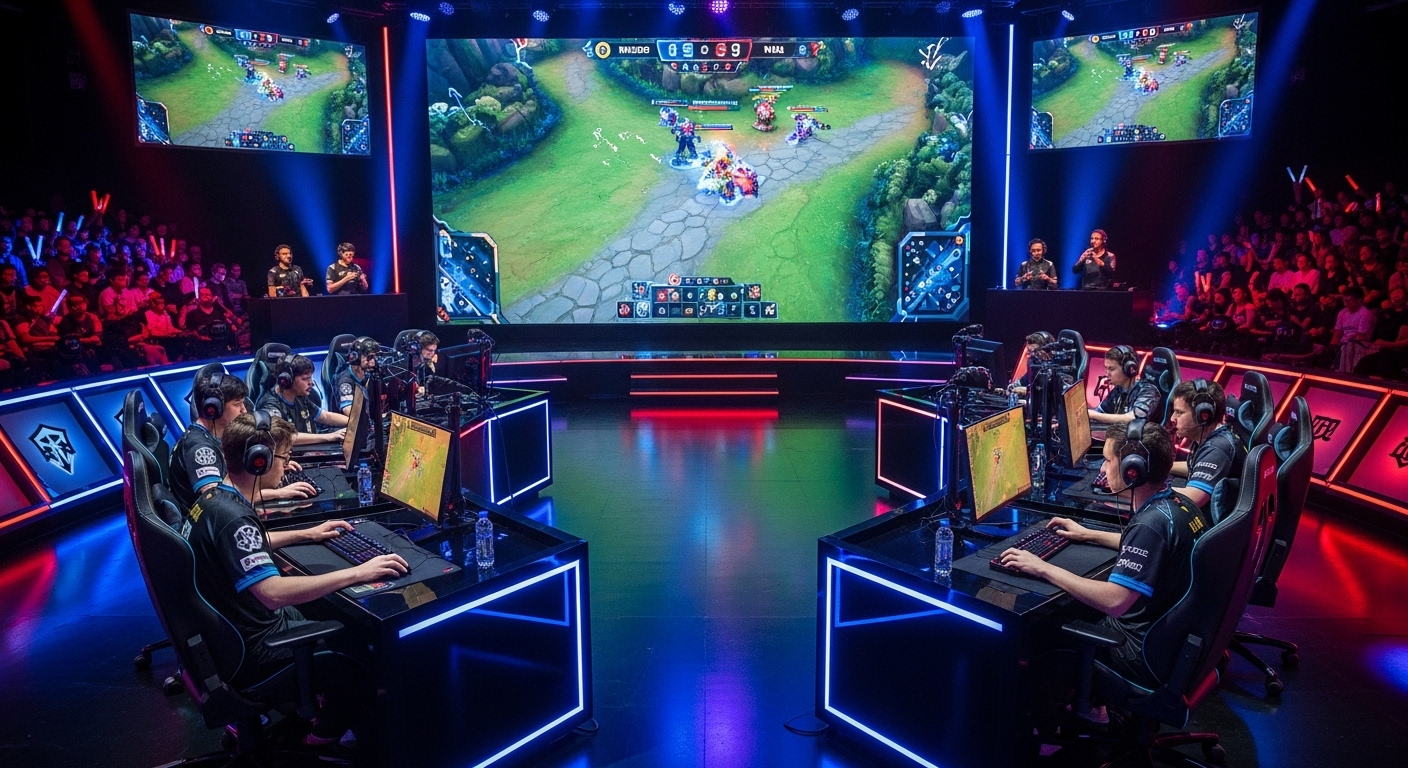
Multiplayer Online Battle Arena (MOBA) games such as League of Legends and Dota 2 are team-based competitions where players control individual heroes with distinct abilities. Teams fight to destroy the opponent’s base while defending their own. MOBAs combine strategy, teamwork, and fast-paced action, creating intense and unpredictable matches.
First-Person Shooters
First-Person Shooters (FPS) like Counter-Strike: Global Offensive, Valorant, and Overwatch focus on individual skill, precision aiming, and team coordination. FPS games attract fans who appreciate high-stakes, adrenaline-fueled battles where split-second decisions can change the outcome.
Fighting Games
Fighting games such as Street Fighter, Tekken, and Super Smash Bros. feature one-on-one duels that test reflexes, timing, and knowledge of combos. The player versus player format creates a highly competitive environment, with tournaments that emphasize individual mastery.
Battle Royale Games
Battle Royale titles like Fortnite and Apex Legends offer a unique blend of survival, exploration, and combat. Dozens of players drop into a shrinking map and fight until only one remains. The genre’s popularity stems from its unpredictability and the thrill of last-person-standing gameplay.
Sports Simulators and Racing
Esports also includes realistic sports simulations such as FIFA, NBA 2K, and racing games like iRacing. These games allow players to experience and compete in their favorite sports virtually, often attracting fans of traditional athletics.
The Professional Esports Ecosystem: Players, Teams, and Support
The Rise of Professional Players
Esports players are no longer just gamers; they are athletes who train rigorously to compete at the highest level. Pro players often dedicate hours daily to practice, studying game mechanics, analyzing opponents, and maintaining physical fitness. They cultivate mental resilience to handle the pressure of competition and public scrutiny.
Team Structure and Roles
Most esports titles are team-based, requiring coordinated efforts across multiple roles. Teams often consist of starters and substitutes, supported by coaches who develop strategies and improve team synergy. Analysts provide data-driven insights, while managers handle logistics, contracts, and public relations.
The Importance of Support Systems
Just as in traditional sports, esports organizations invest in support staff including nutritionists, physical therapists, and mental health professionals. This holistic approach helps players maintain peak performance and longevity in their careers.
The Spectator Experience: Watching Esports
Broadcast and Streaming Platforms
One of esports’ key strengths is its accessibility to viewers. Online streaming platforms allow millions of fans to watch tournaments live, interact with commentators, and participate in chat discussions. High production values, including multiple camera angles, player interviews, and expert analysis, enhance the viewing experience.
Live Events and Fan Engagement
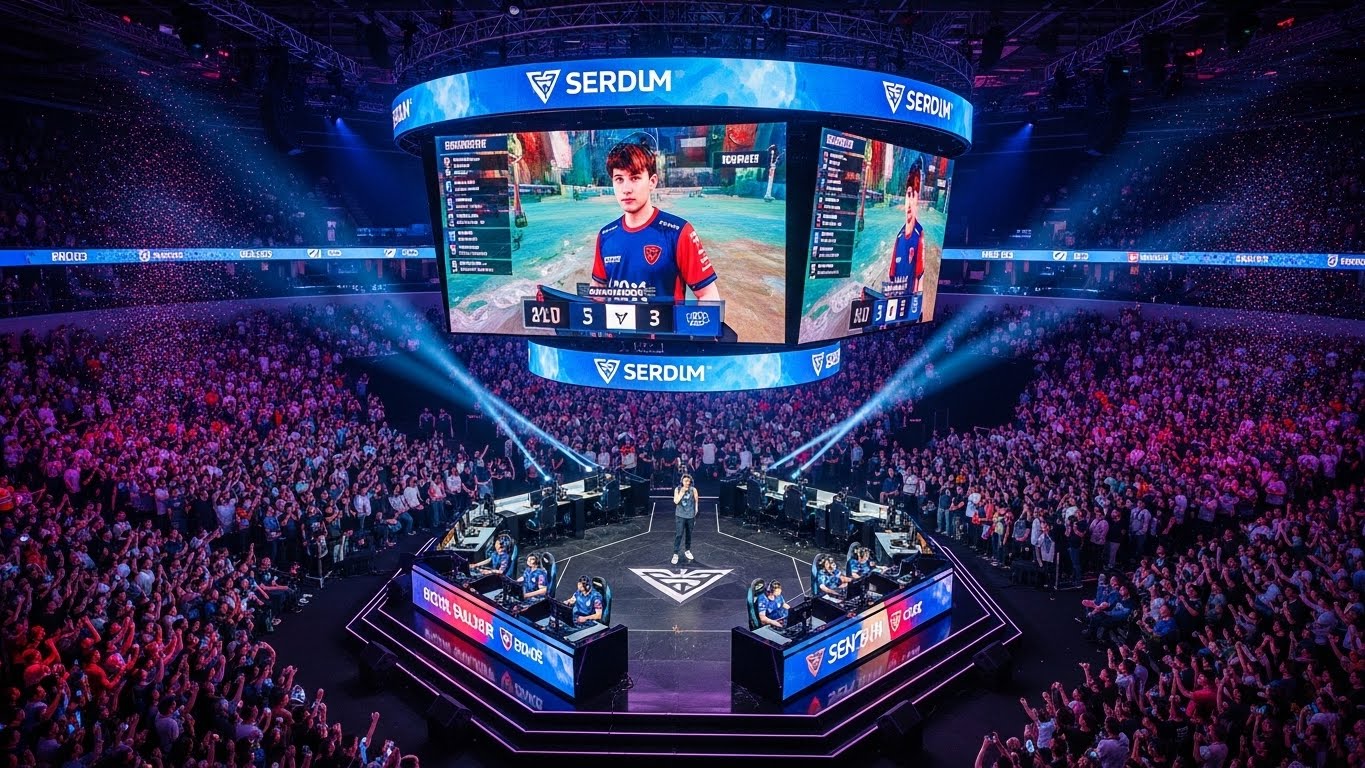
Esports tournaments have grown to fill massive arenas, bringing a live sports atmosphere to digital competition. Fans gather to cheer on their favorite teams, participate in cosplay, and enjoy related entertainment. These events also offer opportunities for community-building and cultural exchange.
The Role of Commentators and Influencers
Casters or commentators bring excitement and understanding to matches, explaining strategies and narrating the action in real time. Influencers and content creators further engage audiences through videos, tutorials, and live streams, expanding esports’ reach.
The Business of Esports: Revenue and Industry Growth
Multiple Revenue Streams
Esports generates revenue through sponsorships, advertising, ticket sales, merchandise, media rights, and game publisher partnerships. Brands are eager to tap into the young, engaged esports audience, leading to significant investment.
Prize Pools and Player Earnings
Top tournaments now offer multi-million dollar prize pools, attracting elite players and teams. In addition to winnings, players earn income from salaries, sponsorships, streaming, and endorsements, although the financial landscape can be uneven across regions and game titles.
Team Ownership and Investment
Esports teams are often owned by investment groups, celebrities, or traditional sports franchises. These owners bring capital, marketing expertise, and cross-industry connections, fueling growth and professionalization.
Challenges in Monetization
Despite rapid growth, esports faces challenges such as fragmented viewership, inconsistent revenue distribution, and the need to balance publisher control with independent league operation.
Regional Differences and Global Expansion
East Asia: The Epicenter of Esports
South Korea, China, and Japan have been pioneers and dominant forces in esports. South Korea’s infrastructure, government support, and cultural embrace of gaming laid the foundation for professional leagues and celebrity players. China’s massive population and investment have driven explosive growth.
North America and Europe: Commercial Growth
Western regions have developed esports through media deals, franchising, and mainstream sponsorships. They emphasize entertainment and production quality, with leagues often partnering with traditional sports organizations.
Emerging Markets: Southeast Asia, Latin America, and Beyond
These regions have seen rapid expansion due to increasing internet access and mobile gaming. New tournaments and grassroots communities are nurturing local talent and audiences.
Challenges Facing the Esports Industry
Player Health and Welfare
The intense demands of training and competition can lead to burnout, physical strain, and mental health issues. Ensuring player well-being requires organizational commitment and industry-wide standards.
Regulation and Fair Play
Maintaining integrity is critical. Issues like cheating, doping, match-fixing, and account fraud threaten credibility. Establishing effective governance and enforcement mechanisms is an ongoing challenge.
Accessibility and Infrastructure
Not all regions have equal access to high-speed internet, gaming equipment, or organized competition, limiting talent discovery and audience growth.
Sustainability and Viewer Fatigue
With an abundance of tournaments and content, viewers can become overwhelmed. Balancing quantity with quality is essential to sustain long-term engagement.
The Future of Esports: Trends and Predictions
Technological Innovations
Virtual reality, augmented reality, cloud gaming, and AI will reshape gameplay and viewing experiences. These technologies may lower barriers to entry and create new formats.
Education and Career Development
Colleges and universities are increasingly offering esports scholarships and programs. Formal education and career paths beyond playing—such as coaching, broadcasting, and event management—are becoming viable.
Increased Diversity and Inclusion
Efforts to promote gender equity and inclusivity are growing, aiming to broaden participation and improve community culture.
Integration with Traditional Sports and Media
Esports will continue merging with mainstream entertainment, attracting cross-sector investment and expanding audience demographics.
Environmental and Social Responsibility
Sustainable event practices and community engagement initiatives will become priorities for long-term viability.
Conclusion: Esports as a Cultural and Competitive Force
Esports represents a new frontier in competition, entertainment, and culture. It combines the excitement of traditional sports with the innovation and inclusivity of the digital age. The industry’s growth offers opportunities and challenges that will shape how millions connect, compete, and engage for years to come.
Whether you are a player, fan, organizer, or newcomer, the world of esports invites you to witness the rise of digital warriors—individuals and teams whose battles unfold on screens but resonate globally. As technology advances and communities deepen, esports is poised not only to entertain but to redefine the meaning of sport itself.