Introduction: The Rise of a Digital Colosseum
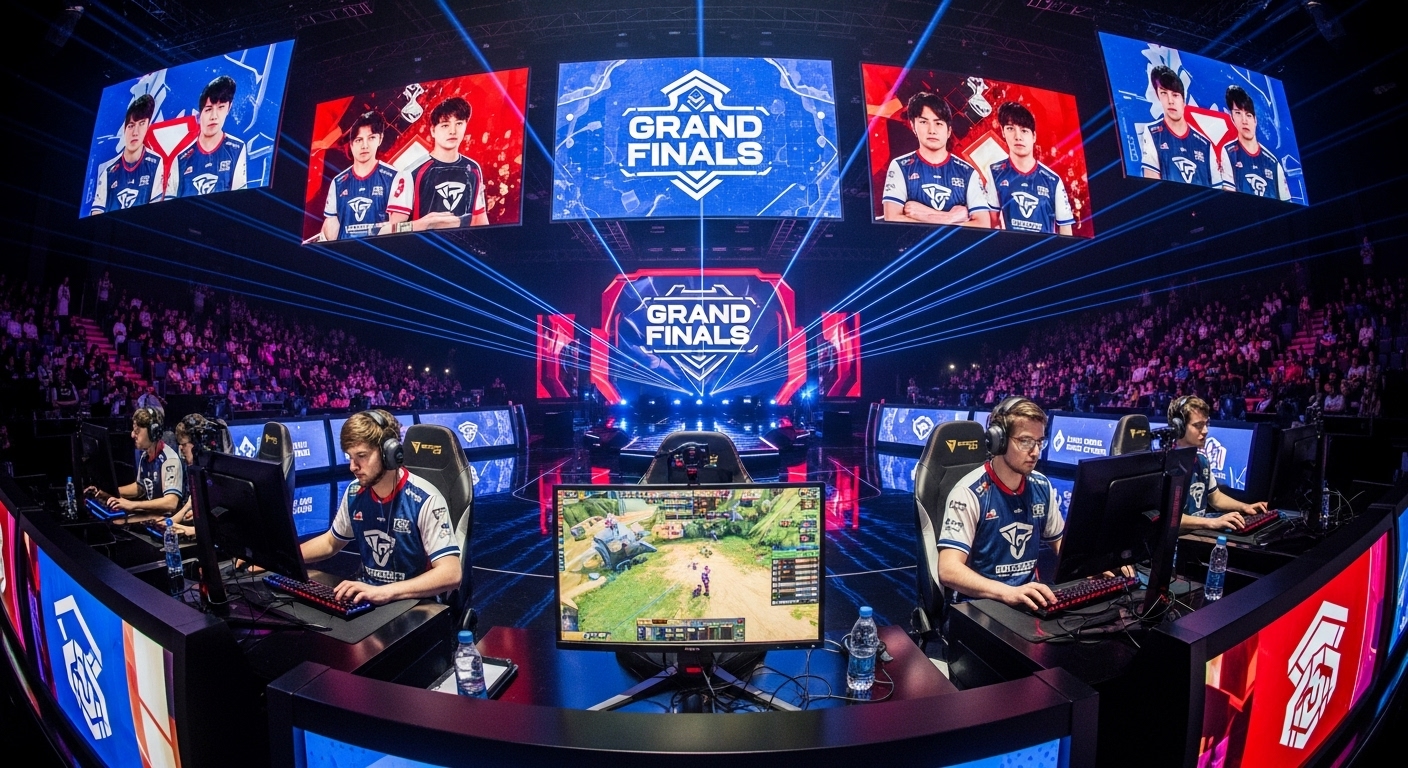
Esports, once dismissed as a niche hobby for a small group of passionate gamers, has transformed into one of the most influential entertainment industries of the modern era. What began in bedrooms and internet cafés has evolved into sold-out stadiums, multi-million-dollar tournaments, and global audiences rivaling traditional sports. Esports is no longer just about playing video games; it is about competition, culture, careers, and community. This blog explores how esports rose to prominence, why it resonates so deeply with today’s generation, and what its future holds in a rapidly digitalizing world.
Understanding Esports: More Than Just Gaming
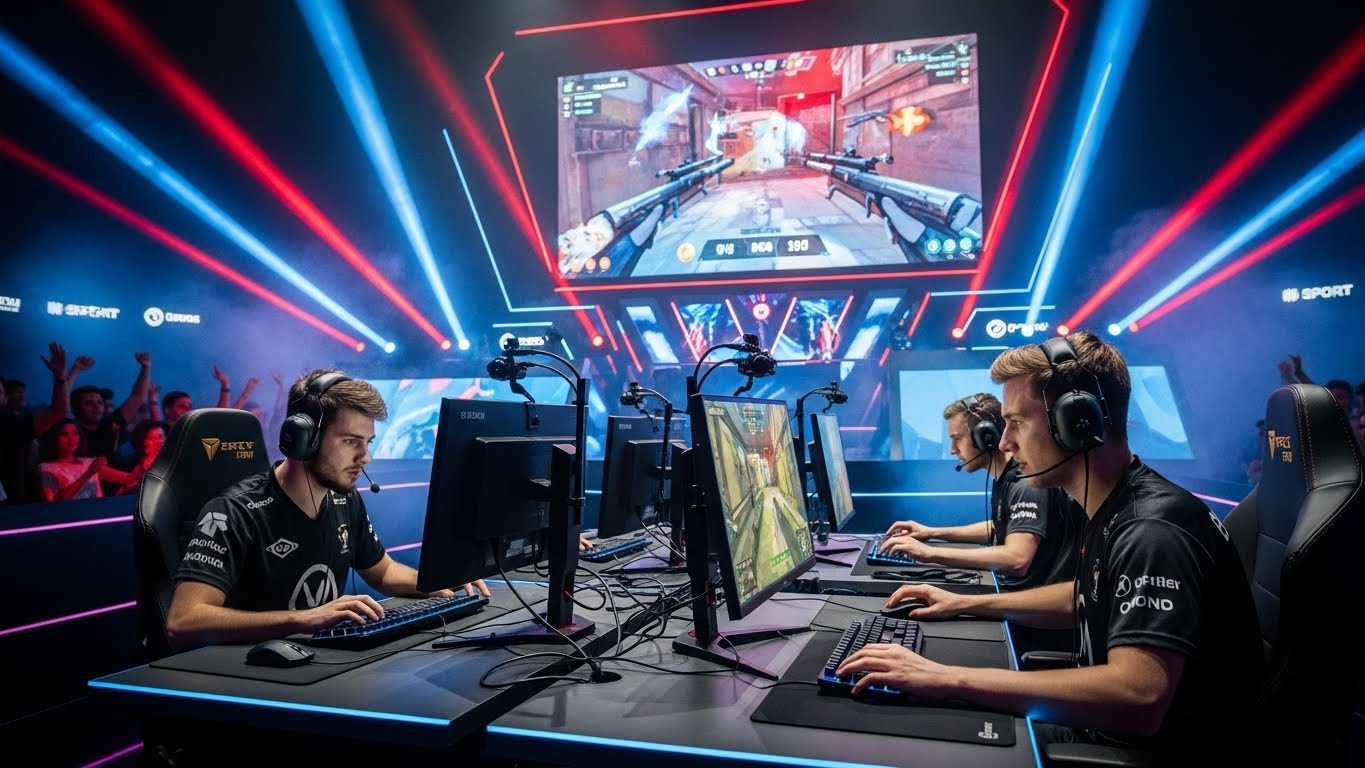
At its core, esports refers to organized, competitive video gaming where individuals or teams compete in structured tournaments. Unlike casual gaming, esports demands high-level skill, strategic thinking, teamwork, and intense practice. Popular esports titles span multiple genres, including multiplayer online battle arenas, first-person shooters, battle royale games, sports simulations, and real-time strategy games. Each genre requires a different mindset, reflex set, and tactical approach, making esports a diverse and multifaceted competitive field.
What sets esports apart is its ecosystem. Professional players train for hours daily, coaches analyze gameplay, analysts break down statistics, and broadcasters provide live commentary. This professional structure mirrors traditional sports, proving that esports is not a passing trend but a legitimate competitive discipline.
The Evolution of Esports: From Arcades to Arenas
The roots of esports can be traced back to the early days of video games, when friendly competitions took place in arcades and local gaming events. As internet connectivity improved, online multiplayer gaming allowed players from different regions to compete, laying the foundation for global tournaments. Over time, prize pools grew, sponsorships entered the scene, and professional teams were formed.
The real turning point came with the rise of live streaming platforms, which allowed millions of viewers to watch competitions in real time. Suddenly, esports was no longer limited to those who played; it became a spectator sport. Fans could follow their favorite teams, learn strategies, and engage with a global community, accelerating esports’ growth at an unprecedented pace.
The Esports Athlete: Redefining the Meaning of a Competitor
Esports athletes challenge traditional notions of what it means to be a professional competitor. While they may not rely on physical strength in the conventional sense, they require exceptional hand-eye coordination, lightning-fast reflexes, mental endurance, and strategic intelligence. Many esports professionals begin training at a young age, often sacrificing leisure time to refine their skills.
Mental health and physical well-being have become increasingly important in esports. Long practice hours, performance pressure, and public scrutiny can take a toll. As a result, many professional teams now employ fitness trainers, psychologists, and nutritionists to ensure players maintain a balanced lifestyle. This shift highlights the maturity of the industry and its commitment to athlete longevity.
Esports and Youth Culture: A Language of the Digital Generation
One of the key reasons esports has flourished is its deep connection with youth culture. For younger generations who grew up with technology, video games are a natural form of expression and social interaction. Esports reflects their values: global connectivity, inclusivity, creativity, and merit-based success.
Esports communities thrive on interaction. Fans communicate through live chats, social platforms, and in-game interactions, creating a sense of belonging that extends beyond geographical boundaries. This global community aspect makes esports more than entertainment; it becomes a shared cultural experience that unites people from different backgrounds through a common passion.
Economic Impact: A Billion-Dollar Digital Industry
Esports has grown into a powerful economic force. Revenue streams include sponsorships, advertising, merchandise, media rights, ticket sales, and in-game purchases. Brands from technology, fashion, food, and even automotive industries are investing heavily in esports, recognizing its ability to reach younger, digitally engaged audiences.
Professional teams operate like businesses, managing player contracts, branding, marketing, and fan engagement. Tournament organizers invest in large-scale events that boost local economies through tourism and job creation. The ripple effect of esports extends far beyond gaming, influencing media, marketing, and digital innovation.
Education and Career Opportunities in Esports
Contrary to the stereotype that gaming leads nowhere, esports has opened doors to a wide range of career opportunities. Not everyone needs to be a professional player to succeed in esports. Roles include coaches, analysts, commentators, event managers, graphic designers, content creators, marketers, and software developers.
Educational institutions have begun recognizing esports as a legitimate field of study. Many schools and universities now offer esports programs, scholarships, and competitive teams. These initiatives teach students valuable skills such as teamwork, leadership, communication, and digital literacy, proving that esports can be both educational and empowering.
The Role of Technology in Shaping Esports
Technology is the backbone of esports. High-performance gaming hardware, fast internet connectivity, advanced streaming tools, and data analytics all play a crucial role in enhancing the competitive experience. Innovations such as virtual reality, augmented reality, and artificial intelligence are beginning to influence how games are played, watched, and analyzed.
Data analytics, in particular, has become a game-changer. Teams now analyze player performance in minute detail, identifying strengths, weaknesses, and optimal strategies. This analytical approach adds depth to competitions and brings esports closer to traditional sports in terms of preparation and professionalism.
Challenges Facing the Esports Industry
Despite its rapid growth, esports faces several challenges. Player burnout is a significant concern, as intense schedules and short career spans can lead to physical and mental exhaustion. Regulation is another issue, with different regions having varying standards for contracts, player rights, and tournament governance.
There is also the challenge of inclusivity. While esports is global, barriers such as access to technology, internet infrastructure, and representation still exist. Addressing these issues will be crucial for the industry to grow sustainably and responsibly.
Esports as a Spectator Experience
Watching esports is an experience uniquely suited to the digital age. Spectators can view matches from multiple camera angles, access real-time statistics, and interact with other fans during live broadcasts. This level of engagement is difficult to replicate in traditional sports.
Storytelling also plays a major role in esports viewership. Rivalries, underdog stories, and legendary players create narratives that keep fans invested. These stories humanize the competition, reminding audiences that behind every screen is a dedicated individual striving for excellence.
The Future of Esports: A New Sporting Frontier
The future of esports looks promising. As technology continues to evolve, esports will likely become even more immersive and accessible. Cross-cultural competitions, mixed-reality events, and deeper integration with mainstream media are all on the horizon.
Esports may also influence how traditional sports operate, particularly in areas like digital fan engagement and data-driven performance analysis. Rather than competing with traditional sports, esports is carving out its own space while inspiring innovation across the entire sports and entertainment landscape.
Conclusion: A Game That Changed the World
Esports is more than a trend; it is a reflection of how society is changing. It represents the merging of technology, competition, and community in a way that resonates with millions worldwide. From passionate players and dedicated fans to booming industries and educational opportunities, esports has redefined what it means to compete and connect in the modern world.
As esports continues to grow, it challenges us to rethink outdated perceptions of gaming and recognize its potential as a powerful cultural and economic force. Beyond the screen lies a world of discipline, creativity, and global unity, proving that esports is not just playing games, but shaping the future of competition itself