Introduction: From Bedrooms to Global Arenas
Esports, short for electronic sports, has transformed from casual competitive gaming among friends into a global industry worth billions. What was once seen as a niche hobby is now a mainstream form of entertainment, drawing massive audiences, corporate sponsors, and professional athletes. Stadiums fill with fans watching players compete on digital battlefields, while millions more tune in online. Esports is no longer just about games; it is about culture, careers, community, and competition on a global scale.
The Early Roots of Competitive Gaming
The foundation of esports was laid decades ago when arcade competitions and early computer tournaments brought players together. These early events were small and often informal, but they introduced the idea that video games could be competitive and skill based. As technology improved, local competitions expanded into regional and national tournaments. Games became more complex, rewarding strategy, reflexes, teamwork, and mental endurance. These elements set the stage for esports to evolve into a professional discipline.
The Role of Technology in Esports Growth
Advancements in technology played a crucial role in the rapid expansion of esports. High speed internet enabled players from different countries to compete in real time. Powerful gaming hardware allowed developers to create visually stunning and mechanically complex games. Streaming platforms revolutionized how audiences consumed content, making it possible for fans to watch live matches, follow their favorite players, and engage with communities instantly. Technology did not just support esports; it accelerated it.
Popular Esports Titles and Competitive Diversity
One of the strengths of esports lies in its diversity of games. Different genres attract different audiences and skill sets. Multiplayer online battle arena games emphasize teamwork and strategic planning. First person shooters demand precision, reaction speed, and communication. Real time strategy games reward deep thinking and adaptability. Sports simulation games bridge the gap between traditional sports fans and gamers. This wide variety ensures that esports appeals to a broad and global audience.
The Rise of Professional Esports Players
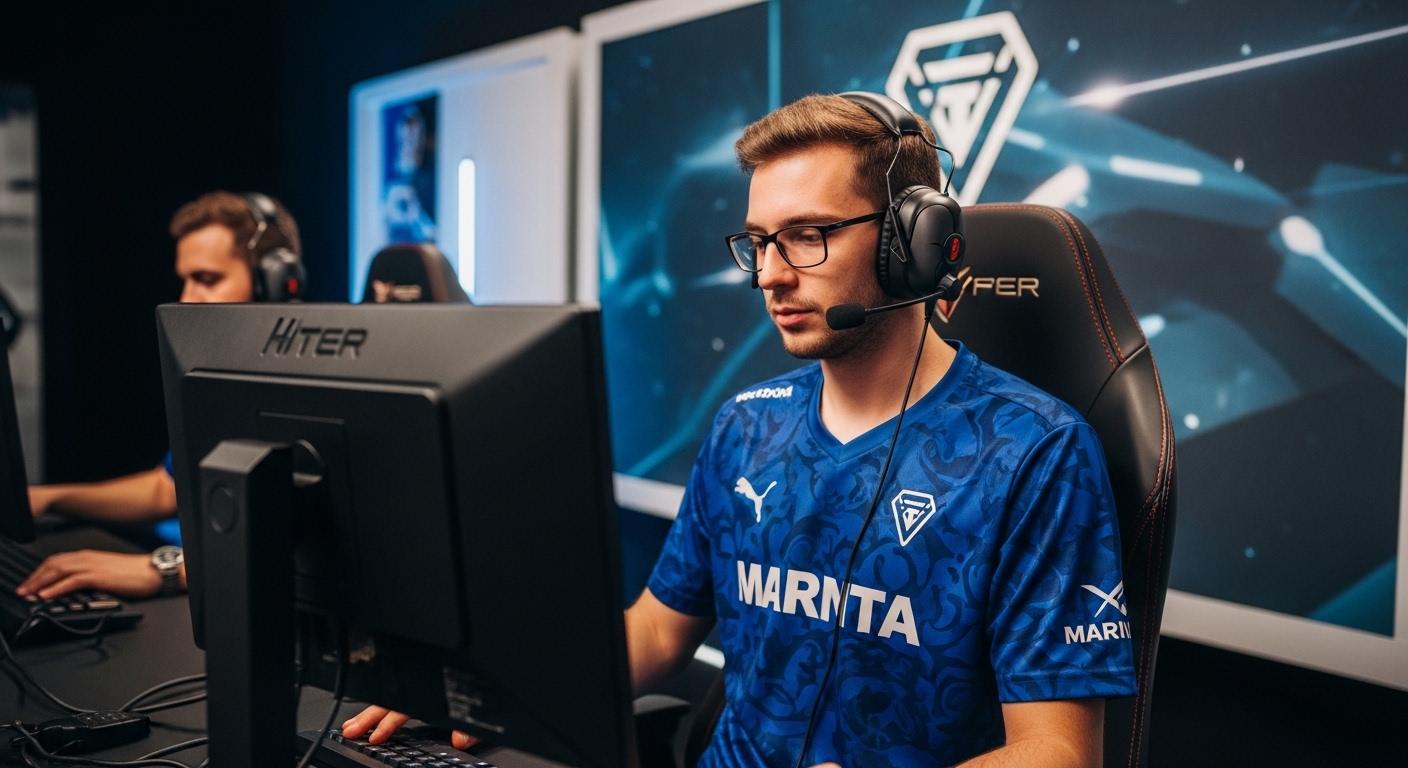
Professional esports players are elite competitors who dedicate countless hours to training and improvement. Their routines often resemble those of traditional athletes, including practice schedules, coaching sessions, performance analysis, and physical fitness. Many start at a young age, honing their skills through online competition before being noticed by professional teams. Success in esports requires not only technical skill but also mental resilience, teamwork, and the ability to perform under pressure.
Esports Teams and Organizational Structures
Esports teams operate much like traditional sports organizations. They have managers, coaches, analysts, and support staff who work together to maximize performance. Teams sign players to contracts, manage sponsorships, and build brand identities. Some organizations compete across multiple games, creating large fan bases and international recognition. These structures bring stability and professionalism to the industry, making esports a viable long term career path.
Tournaments, Leagues, and Global Events
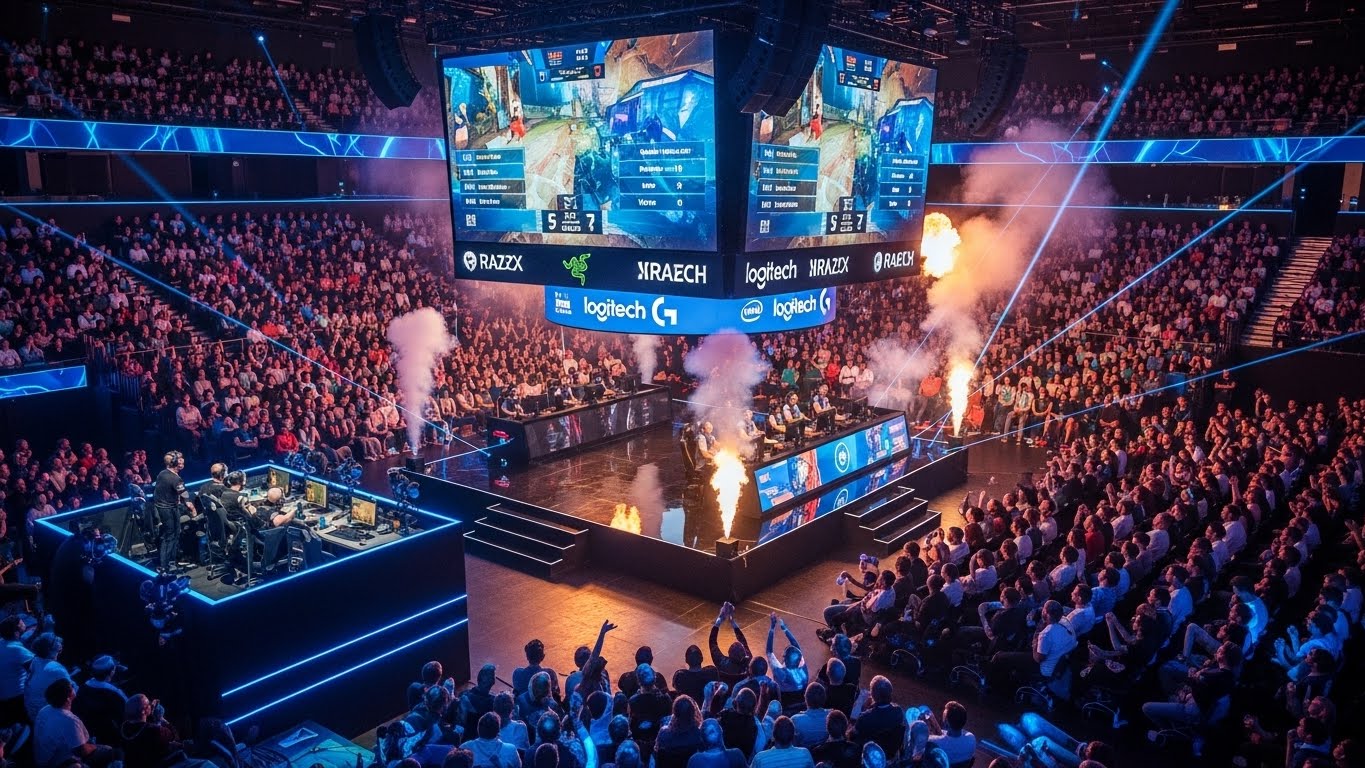
Esports competitions range from small online tournaments to massive international championships. Major events often feature large prize pools and attract viewers from around the world. These tournaments are carefully organized, with strict rules, referees, and broadcast teams. Live events offer immersive experiences, combining stage production, commentary, and fan engagement. The excitement of these competitions mirrors that of traditional sporting events, reinforcing esports as a legitimate competitive field.
The Business and Economics of Esports
The esports industry is driven by multiple revenue streams, including sponsorships, advertising, merchandise, ticket sales, and media rights. Brands from both gaming and non gaming sectors invest heavily in esports to reach younger, digitally savvy audiences. Teams and players benefit from endorsements, while tournament organizers profit from viewership and partnerships. This economic ecosystem continues to expand, attracting investors and entrepreneurs who see esports as a long term growth opportunity.
Streaming and Content Creation Culture
Streaming has become inseparable from esports. Players and personalities build massive followings by sharing gameplay, insights, and entertainment. This direct connection between creators and fans fosters loyalty and community. Content creation allows players to earn income beyond competition and helps humanize the esports scene. Fans do not just watch matches; they follow stories, personalities, and journeys, making esports a deeply interactive experience.
Esports as a Career Path
Esports has opened doors to a wide range of careers beyond professional play. Coaching, commentary, event management, marketing, game design, and journalism are just a few of the opportunities within the ecosystem. Educational institutions now offer programs focused on esports management and game related fields. For many young people, esports represents a new and exciting pathway to turn passion into profession.
Cultural Impact and Global Reach
Esports transcends borders, languages, and cultures. International teams and tournaments bring together players and fans from diverse backgrounds. Shared passion for games creates common ground, fostering cross cultural understanding. Esports has influenced fashion, music, and digital culture, shaping how younger generations interact and express themselves. Its global reach makes it one of the most inclusive forms of modern entertainment.
Challenges Facing the Esports Industry
Despite its success, esports faces challenges that must be addressed for sustainable growth. Player burnout is a concern due to intense schedules and pressure. Fair play and integrity require constant vigilance against cheating and exploitation. Inclusivity and diversity remain ongoing issues, with efforts needed to create welcoming environments for all participants. Addressing these challenges is essential to ensuring the long term health of the industry.
The Relationship Between Esports and Traditional Sports
The line between esports and traditional sports continues to blur. Many traditional sports organizations have invested in esports teams or leagues. Training methods, analytics, and fan engagement strategies are increasingly shared between the two worlds. While esports differs in physical demands, it shares the same competitive spirit, discipline, and emotional investment that define sports at their core.
The Future of Esports
The future of esports looks promising and dynamic. Emerging technologies such as virtual reality and artificial intelligence may redefine how games are played and experienced. Mobile esports continue to grow, especially in regions where mobile gaming is more accessible than consoles or computers. As infrastructure improves and audiences expand, esports is likely to become even more integrated into mainstream culture and entertainment.
Conclusion: More Than Just a Game
Esports has evolved into a powerful global phenomenon that blends competition, technology, and community. It offers opportunities for players, fans, and professionals across numerous fields. What began as simple digital competition has grown into an industry that influences culture, business, and entertainment worldwide. Esports is not just about winning matches; it is about passion, innovation, and the shared excitement of competition in the digital age.