Introduction
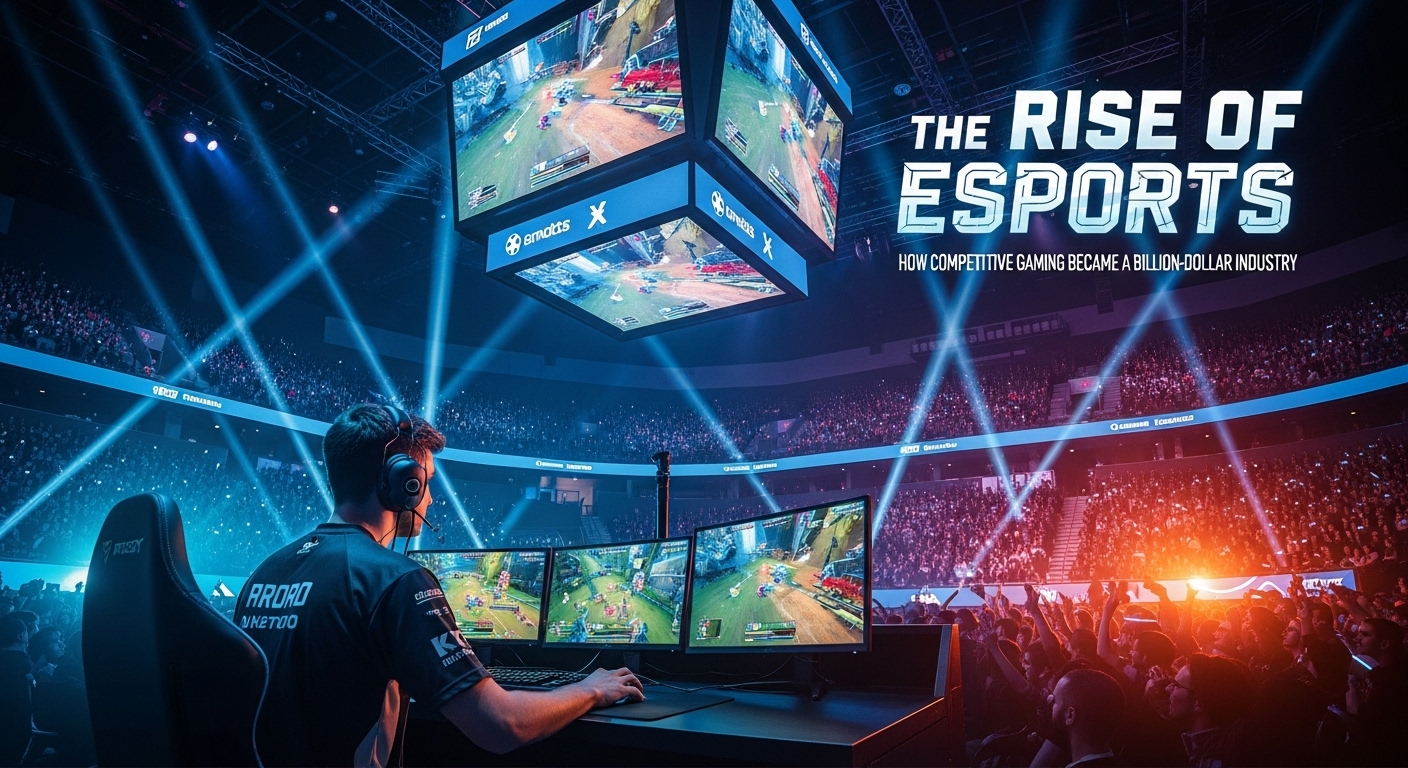
In the modern era of digital transformation, one phenomenon stands out as a symbol of cultural evolution and technological innovation—esports. Once dismissed as mere entertainment for a small group of gamers, competitive gaming has grown into a global industry that rivals traditional sports in scale, passion, and revenue. Today, esports tournaments attract millions of viewers, professional players earn salaries that match those of elite athletes, and gaming organizations are valued in the hundreds of millions of dollars. This unprecedented rise of esports is more than a story of games—it is a story of human ambition, community, and creativity.
The Origins of Competitive Gaming
The concept of competitive gaming dates back to the early days of video games in the 1970s. The first known video game competition took place in 1972 at Stanford University, where students competed in a game called Spacewar. Although the prize was simply a magazine subscription, this event marked the beginning of a movement that would grow far beyond what anyone could have imagined. During the 1980s, arcade games like Pac-Man and Donkey Kong popularized the idea of high scores and leaderboards, fueling a culture of friendly rivalry among players.
By the 1990s, with the rise of personal computers and the internet, gaming had entered a new phase. Multiplayer games like Doom and Quake introduced network-based competition, allowing players to battle each other without being in the same physical space. Local Area Network parties became common, especially among college students, and laid the groundwork for organized tournaments. When StarCraft and Counter-Strike emerged near the turn of the century, professional gaming had found its foundation.
The Rise of Professional Esports
As technology advanced, gaming became more sophisticated and accessible. The early 2000s saw the creation of organized esports leagues and tournaments. The World Cyber Games, Electronic Sports World Cup, and Major League Gaming events provided platforms where the best players could showcase their talent. South Korea, in particular, became the epicenter of esports culture. Games like StarCraft: Brood War turned professional players into celebrities, televised matches became national events, and gaming teams gained sponsorships from major corporations.
This period also saw the formalization of esports as a career path. Players began to receive salaries, and team organizations were formed with dedicated managers, coaches, and training facilities. The industry began to resemble traditional sports in structure and professionalism. The term “esports athlete” started to gain legitimacy, as the world began to recognize the level of skill, strategy, and discipline required to compete at the highest levels.
The Impact of Streaming and Online Platforms
The real explosion of esports happened with the rise of streaming technology. Platforms like Twitch, YouTube Gaming, and Facebook Gaming allowed fans to watch matches live from anywhere in the world. This democratized access changed the nature of esports forever. Players were no longer anonymous competitors; they became public figures with global fan bases. The interaction between streamer and viewer created an entirely new form of entertainment, one that combined the energy of sports broadcasting with the intimacy of personal storytelling.
Streaming also gave rise to new types of gaming celebrities. Influential streamers often double as professional players, coaches, or commentators. This created a feedback loop where fan engagement drives tournament viewership, and tournament viewership fuels content creation. The esports ecosystem expanded rapidly, incorporating sponsors, advertisers, and production companies, all eager to be part of the digital revolution.
Esports Games That Shaped the Industry
Several titles have played defining roles in the rise of esports. League of Legends became one of the most watched and competitive games in the world, featuring regional leagues across continents and culminating in world championships that attract tens of millions of viewers. Dota 2 set a new standard for prize pools, with its annual event The International offering multi-million-dollar rewards crowdfunded by the gaming community. Counter-Strike maintained its legacy as one of the most enduring competitive shooters, evolving through versions like CS 1.6, CS: Source, and CS: Global Offensive.
Overwatch introduced team-based hero shooters to the mainstream, while games like Valorant and Apex Legends brought innovation to the first-person shooter genre. Battle royale titles such as Fortnite and PUBG further expanded the reach of competitive gaming, appealing to younger audiences and casual fans alike. The diversity of genres within esports ensures that there is something for everyone, from tactical strategy enthusiasts to high-speed action seekers.
The Business of Esports
Behind every professional match lies a complex economic ecosystem. Esports is now a billion-dollar industry supported by sponsorships, advertising, ticket sales, media rights, and merchandising. Global corporations see esports as a powerful way to connect with younger, tech-savvy audiences who spend more time online than watching television. Energy drink companies, hardware manufacturers, and apparel brands have all become integral sponsors of esports teams and events.
Esports organizations operate much like traditional sports franchises. They recruit players, manage contracts, and build brand identities. Teams like Team Liquid, Fnatic, T1, and Cloud9 have become iconic names in gaming culture. Many of these organizations have diversified beyond competition, entering content creation, lifestyle branding, and digital entertainment. The result is an interconnected network where competition, media, and community all contribute to the overall growth of the industry.
The Esports Athlete and the Art of Competition
Esports athletes are often misunderstood by those unfamiliar with gaming culture. Contrary to stereotypes, professional gamers are highly disciplined individuals. They train for hours every day, analyzing gameplay footage, developing strategies, and maintaining peak focus under pressure. The level of coordination, reflex speed, and teamwork required in games like League of Legends or Counter-Strike is comparable to that of professional athletes in traditional sports.
Mental toughness is also a crucial component. Esports players face immense pressure during competitions, where one mistake can determine the outcome of a match. Many teams employ psychologists and performance coaches to help players manage stress and maintain motivation. Physical health is also taken seriously, with players engaging in exercise and nutrition programs to support long hours of practice.
Esports and Education
The influence of esports has extended into education. Universities and high schools around the world now offer scholarships and programs for aspiring players. Esports clubs and varsity teams have become common, providing structured training environments and academic support. Educational institutions recognize that esports can teach valuable skills such as teamwork, communication, leadership, and problem-solving.
Moreover, the career opportunities in esports extend far beyond playing. Students can pursue roles in event management, broadcasting, game design, marketing, and analytics. The inclusion of esports in academia signals a shift in how society views gaming—not as a distraction, but as a legitimate form of skill development and career exploration.
Esports and Cultural Influence
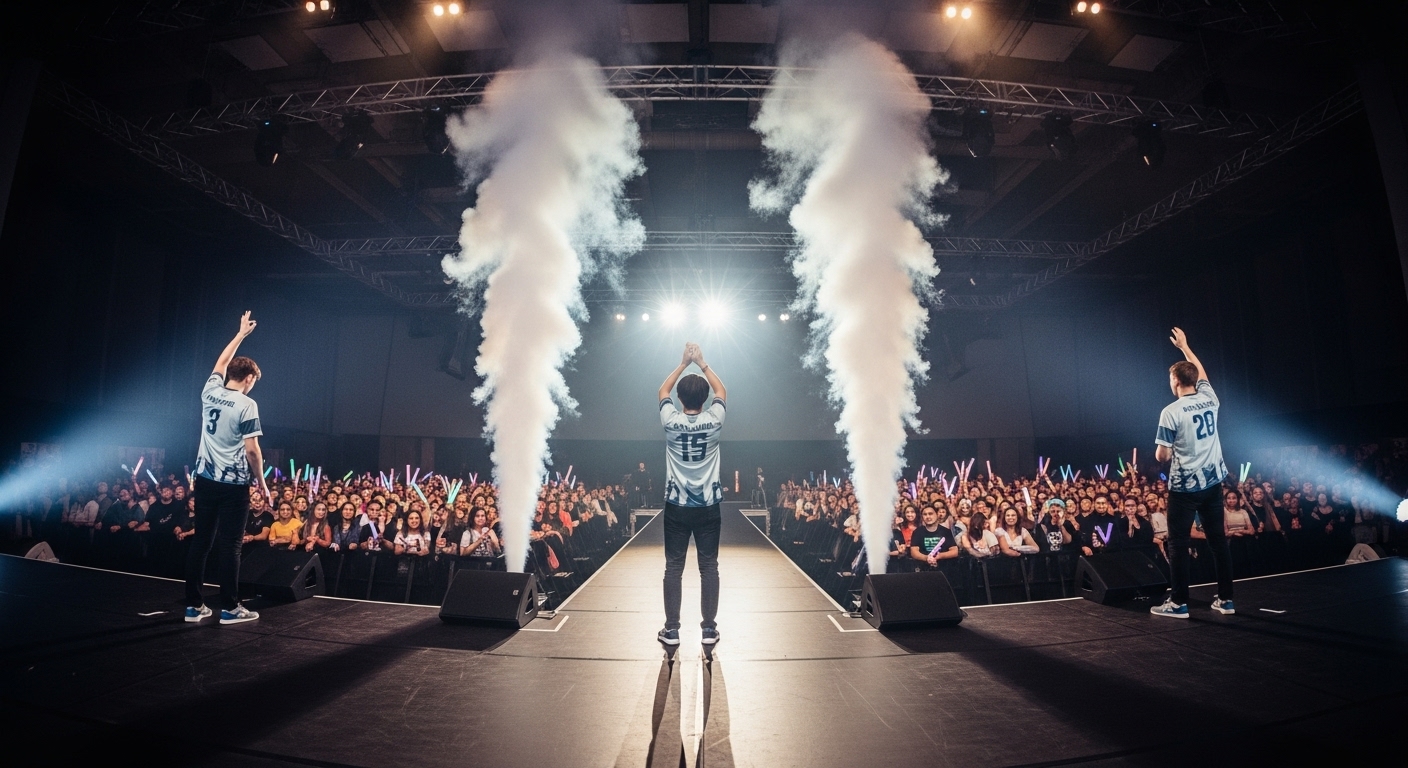
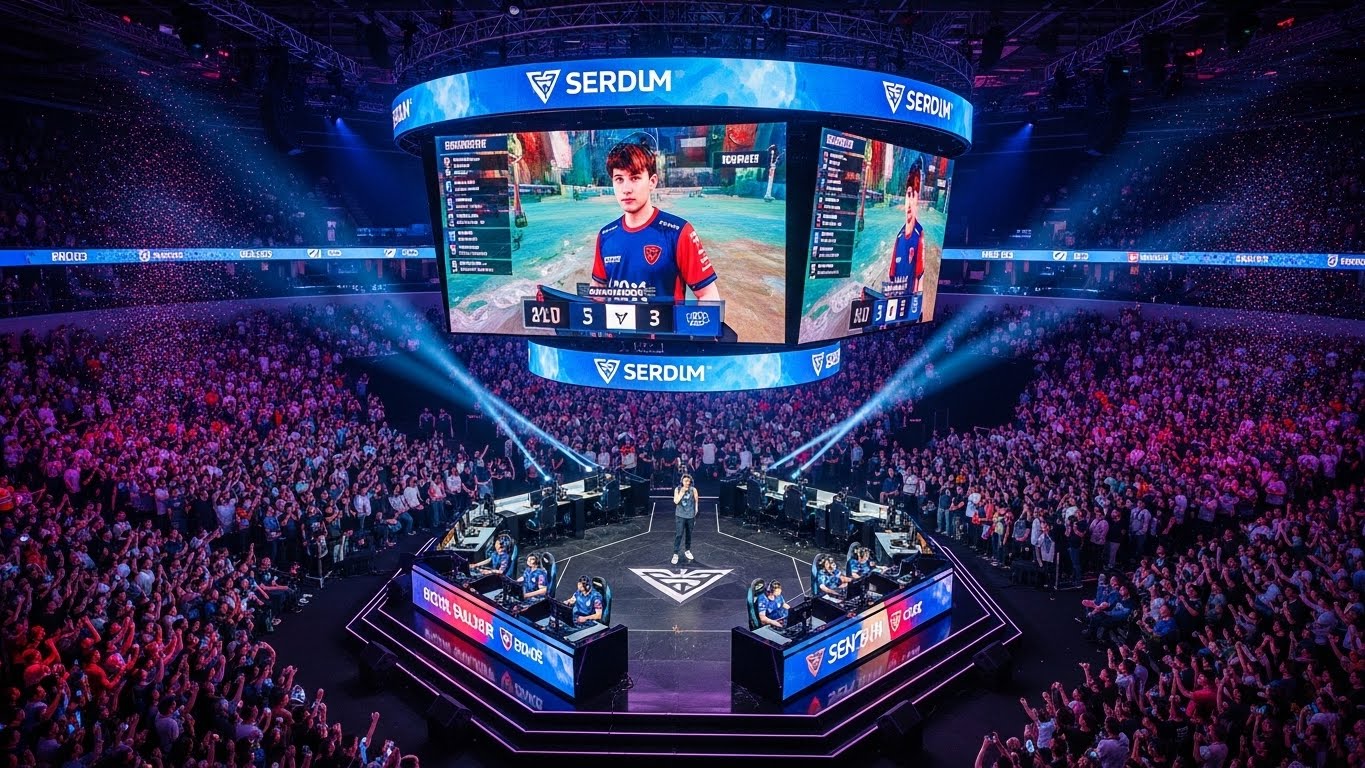
Esports is not just a form of competition; it is a cultural movement. It has redefined entertainment by blending technology, creativity, and community. Major tournaments are now multimedia spectacles featuring elaborate stage designs, live performances, and millions of online spectators. The energy in an esports arena rivals that of any football or basketball game, with fans chanting for their favorite teams and celebrating every play.
The influence of esports extends into fashion, music, and film. Collaborations between gaming brands and streetwear labels have produced some of the most sought-after merchandise in pop culture. Musicians perform at gaming events, and filmmakers produce documentaries that highlight the lives of players and teams. Esports has also inspired art, memes, and social media trends, making it one of the defining cultural forces of the 21st century.
Technology and the Future of Esports
Technological innovation continues to push esports forward. High-speed internet, advanced graphics, and powerful gaming hardware have made online competition smoother and more immersive. Cloud gaming and 5G connectivity promise to eliminate hardware barriers, allowing more players to participate in high-level gaming without expensive setups. Artificial intelligence is being used to analyze strategies, optimize player performance, and improve broadcasting experiences.
Virtual reality and augmented reality also hold exciting potential. Imagine tournaments where fans can step into the game world using VR headsets, or where players compete in hybrid physical-digital environments. These technologies could revolutionize how esports is played and consumed, creating experiences that blend reality and the digital realm.
Challenges in the Esports Industry
Despite its success, esports faces challenges that must be addressed for sustainable growth. Player burnout is a serious concern. The intense practice schedules, travel demands, and constant pressure can lead to mental and physical exhaustion. Many players retire in their early twenties, highlighting the need for better work-life balance and long-term career planning.