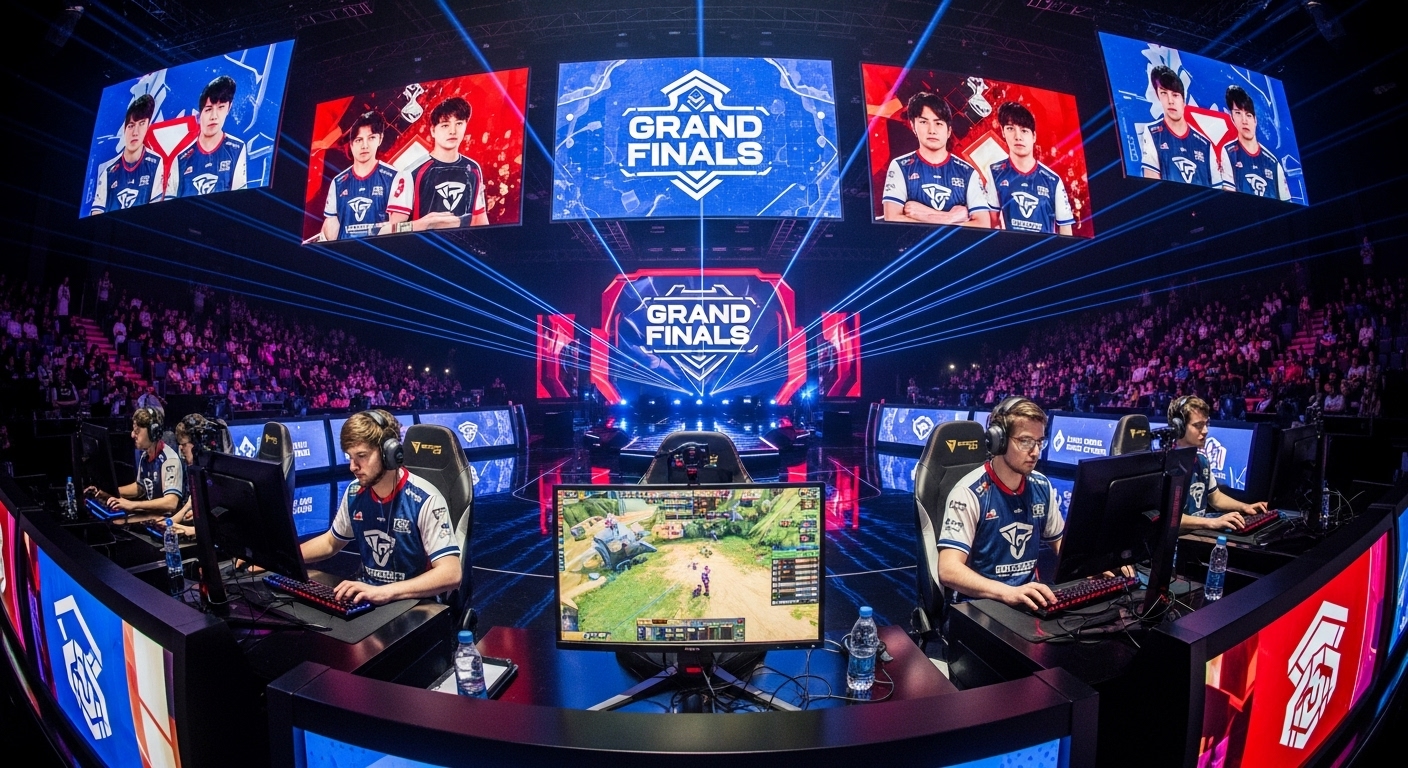
Esports, or electronic sports, has evolved into a global phenomenon that bridges the gap between gaming and traditional sports. What was once considered a niche hobby is now a billion-dollar industry, with professional tournaments, sponsorship deals, and even college scholarships. In this blog post, we will explore the rise of esports, the factors contributing to its growth, its impact on both the gaming community and the wider world, and the future of competitive gaming.
The Evolution of Esports: From Hobby to Profession
Esports has its roots in the 1970s and 1980s, when the first competitive video game tournaments took place. Back then, these events were small, informal affairs, with players competing for little more than bragging rights. The games were simple, such as Space Invaders or Pong, and the audience was limited to a small group of enthusiasts.
However, as technology advanced and video games became more sophisticated, the concept of competitive gaming began to take shape. The 1990s saw the first major esports tournaments, such as the Red Annihilation tournament for the game Quake in 1997, which attracted thousands of players and spectators. It was during this time that esports began to gain more serious attention from both players and developers.
In the early 2000s, titles like StarCraft, Warcraft III, and Counter-Strike began to dominate the competitive gaming scene, with larger tournaments offering significant cash prizes. The introduction of online gaming further accelerated the growth of esports, as players could now compete from the comfort of their own homes, rather than relying on local LAN (Local Area Network) tournaments.
By the late 2000s, esports had grown into a full-fledged industry, with major esports leagues and tournaments like League of Legends (LoL) and Dota 2 becoming household names. The growth of streaming platforms such as Twitch and YouTube Gaming provided a massive platform for fans to watch live gameplay and support their favorite players.
The Key Drivers Behind the Growth of Esports
Several factors have contributed to the meteoric rise of esports in recent years. These factors are not only shaping the competitive gaming scene but also influencing the way esports is consumed by fans and how it impacts the global sports ecosystem.
1. The Power of Streaming and Digital Media
One of the most significant drivers of esports’ popularity is the rise of streaming platforms like Twitch, YouTube Gaming, and Facebook Gaming. These platforms allow gamers to broadcast their gameplay live to millions of viewers around the world. Streamers can engage with their audiences in real-time, creating a sense of community and interaction that traditional sports simply can’t replicate.
The ability to stream live matches has given esports a global audience, reaching viewers who may not be familiar with competitive gaming or may not have access to traditional sports coverage. As a result, esports tournaments are watched by millions of people worldwide, and streamers can earn substantial incomes through sponsorships, donations, and ad revenue.
2. Professionalization of Esports
Another major factor behind the growth of esports is the professionalization of the industry. As the games themselves have become more complex and competitive, organizations and teams have emerged to support players in their careers. Just like traditional sports, esports organizations now recruit top talent, provide training facilities, and offer financial backing to ensure players can focus on improving their skills.
Esports athletes are now treated like professional athletes in many ways. They have dedicated coaches, analysts, and support staff who help them refine their strategies and gameplay. Major esports teams also sign sponsorship deals with big brands, offering players lucrative contracts and access to the best equipment and facilities.
3. Corporate Sponsorship and Investment
As esports’ popularity has surged, corporate sponsors and investors have taken notice. Major companies, including Intel, Coca-Cola, Nike, and Mercedes-Benz, have signed sponsorship deals with esports tournaments and teams, injecting significant capital into the industry. These sponsorships not only help fund the esports ecosystem but also provide additional exposure for the sport, attracting new fans and players.
Venture capitalists and private equity firms have also recognized the potential of esports as an investment opportunity. In 2020, the global esports industry was valued at over $1 billion, with projections suggesting that the market could reach $1.62 billion by 2024. This influx of investment is fueling the growth of esports leagues, tournaments, and organizations, further establishing esports as a mainstream entertainment medium.
4. The Rise of Mobile Gaming
Mobile gaming has played a crucial role in expanding esports to a broader audience. The accessibility of smartphones and tablets has made gaming more inclusive, especially in developing countries where gaming consoles and PCs may be less affordable.
Games like PUBG Mobile, Free Fire, and Clash Royale have created an entirely new competitive gaming scene, with players from all over the world competing in mobile esports tournaments. The rise of mobile esports has brought millions of new players into the competitive gaming world, and it shows no signs of slowing down.
The Impact of Esports on the Gaming Community
Esports has had a profound effect on the gaming community. It has transformed casual gaming into a legitimate career path and created a culture where players can aspire to compete at the highest levels of competition. The impact of esports on the gaming community can be seen in several ways:
1. Changing the Perception of Gamers
For many years, gamers were often stereotyped as isolated individuals with little social interaction. Esports has shattered this stereotype by highlighting the teamwork, strategy, and discipline required to succeed in competitive gaming. Many top esports players and teams have large followings, and their fans view them as role models, much like athletes in traditional sports.
Esports has also helped gaming become more inclusive, with players of all ages, genders, and backgrounds participating in competitive events. As the industry has grown, there has been a concerted effort to promote diversity and inclusion within esports, making it a welcoming space for all types of gamers.
2. Esports as a Social Experience
Esports events provide gamers with the opportunity to come together and share in the excitement of live competitions. Whether it’s watching a match in person at an arena or tuning in online with friends, esports has become a social experience for millions. Online gaming communities have flourished, and platforms like Discord allow players to form teams, discuss strategies, and build lasting friendships.
Esports has also brought fans closer to the action through social media. Players, teams, and tournaments now use platforms like Twitter, Instagram, and TikTok to interact with their fanbases, providing a more personal connection between competitors and viewers.
3. Creating Career Opportunities
The rise of esports has created a wide range of career opportunities beyond just being a professional player. As the industry grows, roles such as coaches, analysts, broadcasters, and event organizers have become increasingly important. Many people now make a living through esports-related jobs, whether as content creators, tournament organizers, or community managers.
In addition to these opportunities, many universities and colleges have launched esports programs, offering scholarships to students who excel in competitive gaming. This has created a legitimate career path for students interested in pursuing a future in esports, whether as players, coaches, or other industry professionals.
The Future of Esports
The future of esports is incredibly promising. As the industry continues to grow, several trends are likely to shape the direction of competitive gaming in the coming years.
1. The Integration of Virtual and Augmented Reality
One of the most exciting developments in esports is the potential integration of virtual reality (VR) and augmented reality (AR). These technologies could take competitive gaming to a whole new level, offering players and viewers an immersive experience that is unlike anything we’ve seen before. Imagine competing in a VR-based esports tournament, where players interact in real-time within a fully immersive 3D environment. The possibilities are endless.
2. Esports in the Olympic Games?
As esports continues to grow in popularity, there has been increasing talk of including esports as an official event in the Olympic Games. While this has yet to happen, the International Olympic Committee (IOC) has shown interest in the idea. If esports were to become part of the Olympics, it would further cement its status as a legitimate global sport.
3. The Evolution of Mobile Esports
With mobile gaming becoming more prevalent, mobile esports is expected to continue expanding. As smartphones and tablets become more powerful, the quality of mobile games will improve, leading to more competitive titles and tournaments. Mobile esports has the potential to reach an even wider audience, especially in regions where PC and console gaming are less accessible.
Conclusion
Esports has come a long way from its humble beginnings in the 1980s. Today, it is a multi-billion-dollar industry with a global fanbase, professional players, and significant corporate investment. As the world of esports continues to evolve, it will undoubtedly reshape the way we think about competitive gaming and sports. The future is bright for esports, and it is an exciting time to be a part of this rapidly growing industry.
Whether you’re a casual gamer or an aspiring professional, esports offers a world of opportunities, and its impact on the gaming community and the world at large is only just beginning to be fully realized. As technology continues to advance and new innovations emerge, esports will only grow in size, reach, and influence.