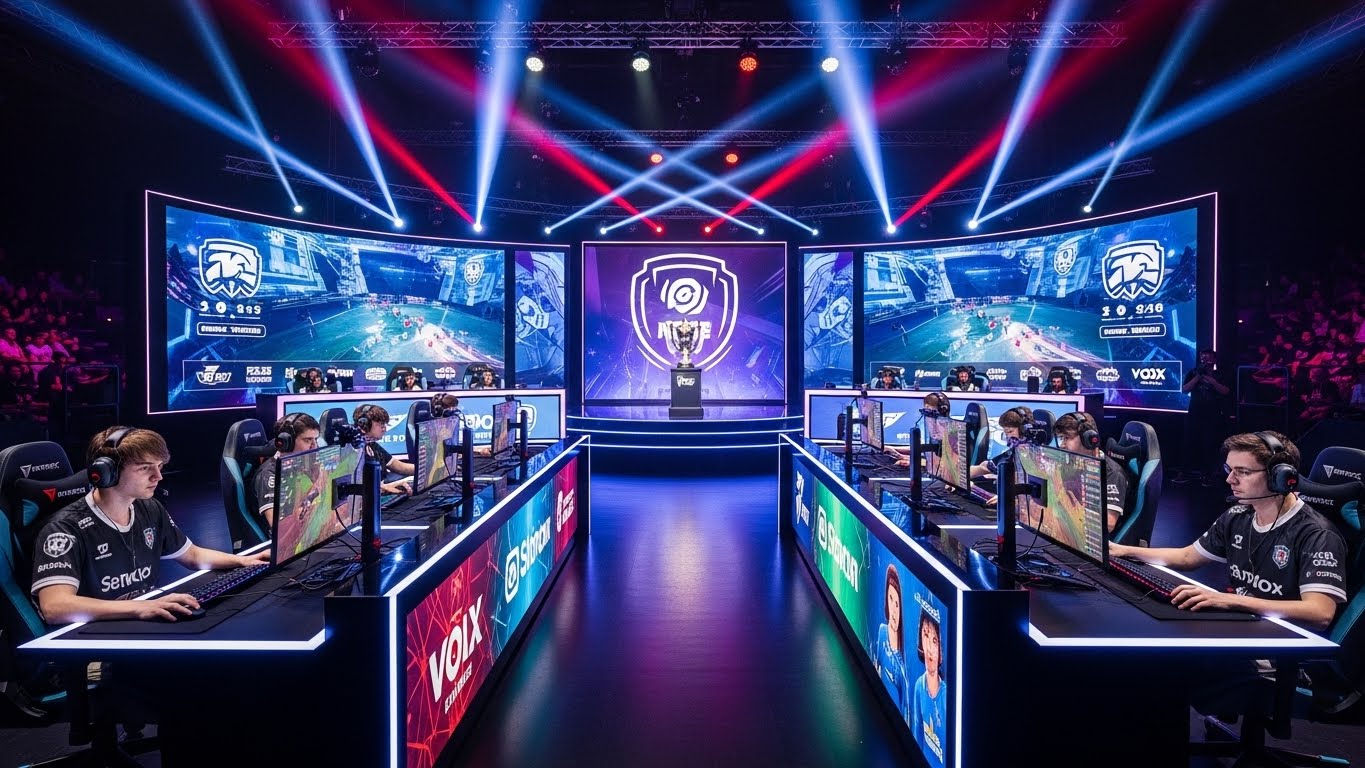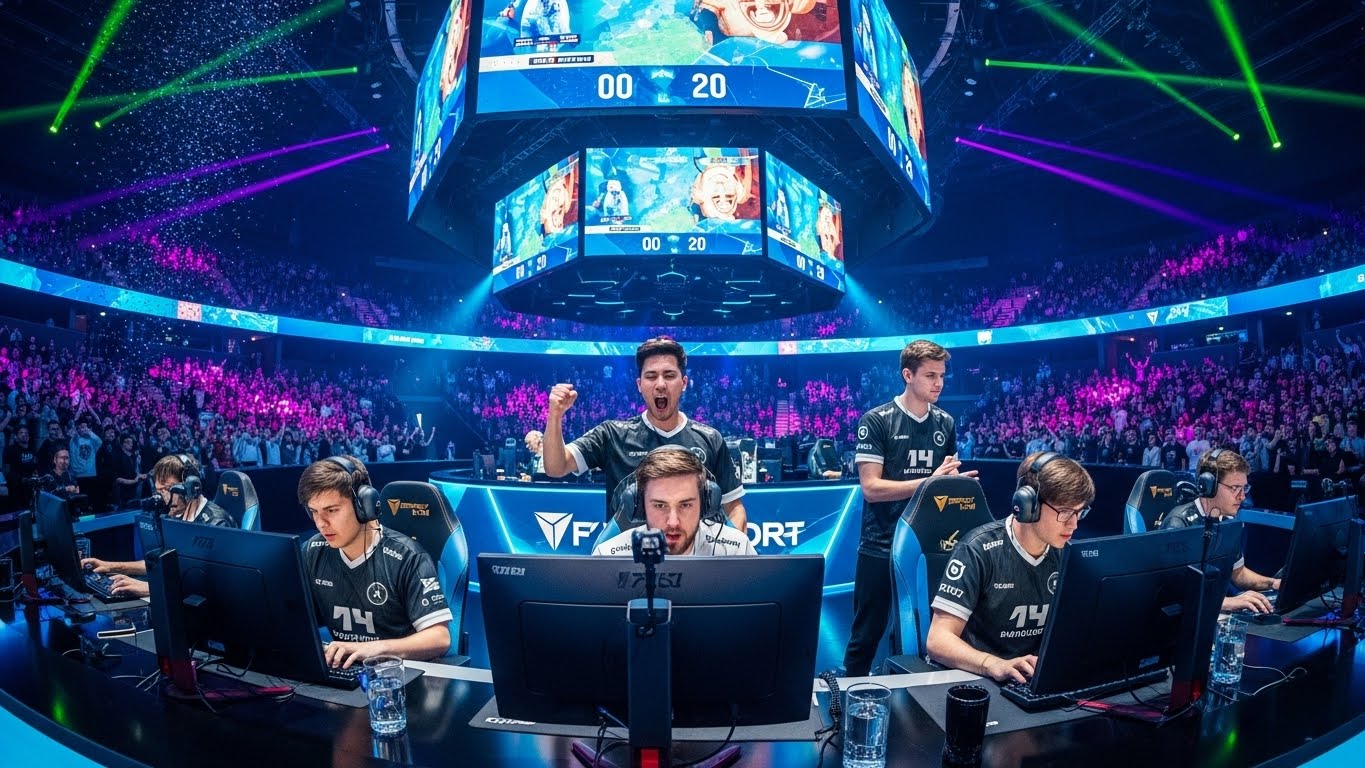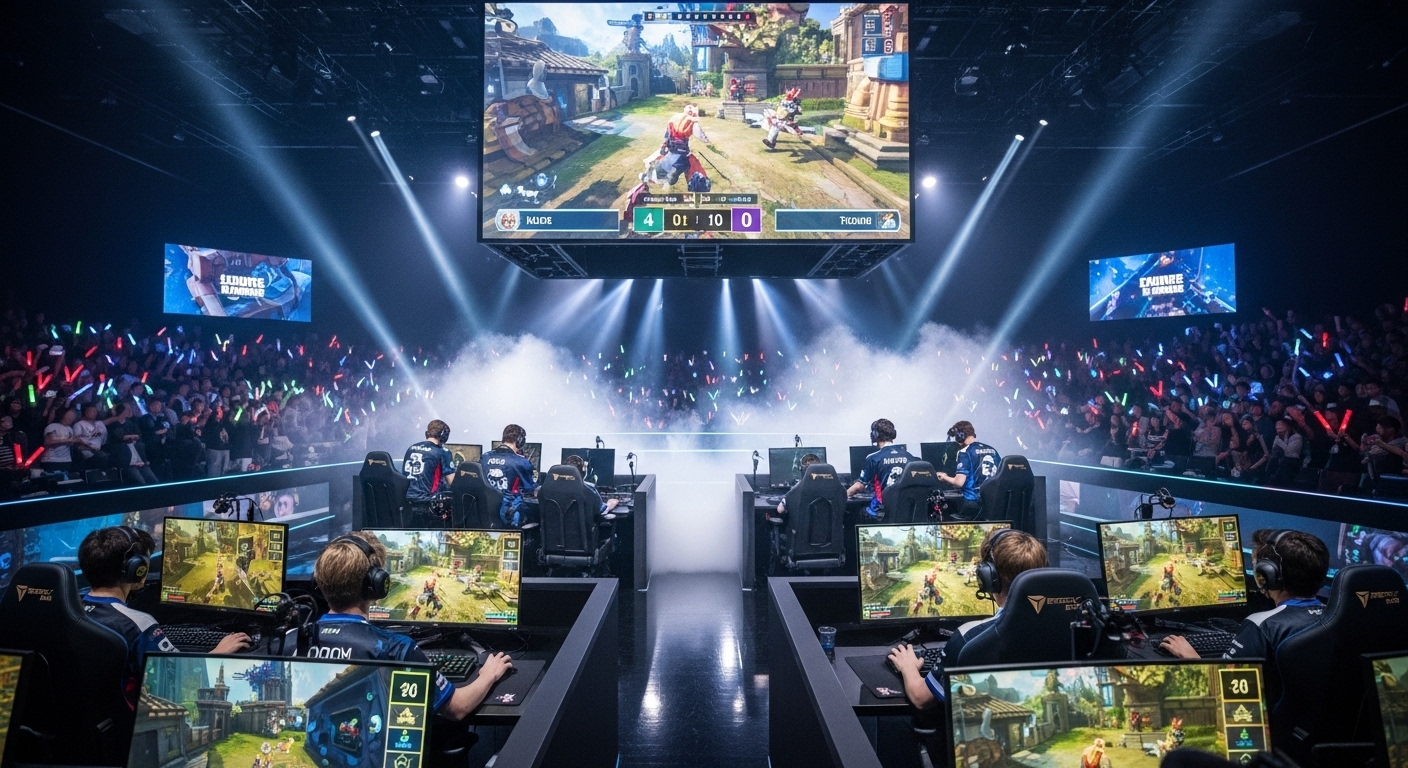
The world of esports has evolved far beyond being just a hobby or a competitive pursuit. Today, it has become a full-fledged lifestyle, influencing the way players, fans, and even sponsors approach gaming. Esports is no longer just about playing games or watching tournaments—it’s an entire culture that encompasses community, entertainment, fitness, mental health, and even career opportunities. For many, esports is an identity, a source of livelihood, and a thriving community where passion meets profession.
In this blog post, we will explore how esports has become more than just gaming, diving into its broader impact on lifestyle, career, and culture.
1. The Rise of the Esports Professional
For those who have been immersed in the gaming world for years, the idea of turning professional in esports might seem like a distant dream. However, in recent years, becoming an esports athlete has transformed from a fantasy into a reality for many players. The emergence of professional leagues and organizations across various games has given birth to full-time esports careers.
The Path to Becoming a Pro Gamer
Esports athletes dedicate countless hours to perfecting their craft, just like traditional athletes. They practice, study game mechanics, analyze opponents, and often engage in team scrims to refine their strategies. With major competitions such as The International in Dota 2, CS: GO Majors, and the League of Legends World Championships, top players and teams can earn substantial incomes through prize money, sponsorships, and media deals.
Being an esports professional, however, isn’t just about playing; it’s about managing a brand, engaging with fans, and constantly being in the public eye. Many players now build their personal brand through Twitch, YouTube, and social media platforms, fostering a fanbase that extends beyond just the games they play. For these athletes, esports is a way of life, and it requires a balance of gaming skill, mental focus, and personal branding to succeed.
2. Esports and Its Thriving Community Culture
One of the defining characteristics of esports is its incredibly passionate and diverse community. Unlike traditional sports, where the fanbase is often localized, esports fans are global. Online platforms such as Twitch, Discord, and Reddit allow fans to engage with their favorite players, teams, and tournaments in real-time, fostering a sense of connection regardless of geographic boundaries.
Creating Connections Beyond the Screen
The esports community isn’t just about watching a match or following a player; it’s about building relationships, joining discussions, and being part of something bigger than oneself. Fans engage with players through live-streaming platforms, join fan groups, attend esports events, and participate in fan-driven content creation. The culture of “fan interaction” in esports is deeply embedded, as viewers are not just spectators—they are participants in the overall experience.
Moreover, events such as BlizzCon, E3, and ESL One allow fans to meet in person, creating lasting friendships and networking opportunities. For many, attending live esports events is a rite of passage—something that combines the thrill of competition with the excitement of shared fandom.
3. The Esports Fitness Regimen: Mental and Physical Health
While many may associate esports with hours of sitting at a computer, there is a growing awareness of the need for physical and mental fitness in competitive gaming. As esports becomes more mainstream, professional players are increasingly adopting fitness regimens that help improve their gaming performance, as well as their overall health.
Mental Health and Focus
Competitive gamers need sharp reflexes, high levels of concentration, and the ability to stay calm under pressure. Maintaining mental health is a critical part of an esports athlete’s lifestyle, and players often work with coaches and psychologists to enhance their mental focus and cope with the stress of high-stakes competition. Mental resilience, the ability to perform under pressure, and staying emotionally balanced are all key factors that contribute to a player’s success in the esports world.
Physical Health and Fitness
More esports organizations now include physical trainers and performance coaches to help their players maintain health and prevent injuries associated with long hours of gameplay. Posture correction, eye strain relief, and ergonomics are vital areas that players need to pay attention to in order to maintain peak performance.
Esports athletes also engage in fitness routines, such as strength training, cardio, and flexibility exercises, which improve stamina, reaction times, and overall physical well-being. Regular physical activity helps counteract the sedentary lifestyle that gaming can sometimes lead to, improving overall energy levels, boosting mood, and preventing common ailments like back pain or wrist injuries.
4. The Esports Lifestyle for Fans: Streaming, Cosplay, and Merchandise
Esports as a lifestyle is not limited to professional players—it extends to the fans who support them. The connection between players and fans has led to the rise of unique fan-driven subcultures like cosplay, streaming, and merchandise culture.
Streaming as a Lifestyle
Many fans also become content creators, live-streaming their own gameplay on Twitch or YouTube. For some, this becomes a full-time career as they gain traction in the esports community. Watching streamers isn’t just about seeing gameplay—it’s about being a part of the experience. Fans are able to interact with their favorite players through live chats, donate to support them, and even join exclusive communities. The world of streaming offers a platform for individuals to turn their passion for gaming into a career, with some creators becoming major influencers in the esports and gaming scene.
Cosplay and Fan Events
Cosplay has become an integral part of the esports lifestyle. Fans create elaborate costumes based on their favorite characters from games such as League of Legends, Overwatch, and Dota 2. These passionate fan creations are often showcased at major events, adding to the excitement and atmosphere of live tournaments. Esports fans often travel to conventions or competitions, not just to watch matches but also to meet fellow enthusiasts, exchange ideas, and celebrate their shared passion for gaming.
Merchandising and Fan Culture
Another defining aspect of the esports lifestyle is the immense market for team merchandise. Fans proudly wear jerseys, hats, and accessories emblazoned with the logos of their favorite teams, further solidifying their identity as part of the esports community. Esports merchandise is a way for fans to show support for their teams, and many of the top organizations have professional collaborations with brands, expanding their influence even further.
5. Esports as Career Opportunities: Broadcasting, Content Creation, and Beyond
Esports isn’t just limited to playing games. The industry offers a wide range of career opportunities, many of which are tied to the lifestyle surrounding competitive gaming. Whether it’s broadcasting, commentating, coaching, or content creation, esports offers a variety of ways for individuals to build a career without necessarily competing professionally.
Broadcasting and Commentating
Esports broadcasting has become a sophisticated and multi-faceted operation, with professional casters, analysts, and hosts bringing the excitement of games to audiences worldwide. These careers require in-depth knowledge of the game, charisma, and the ability to engage an audience. As esports tournaments grow in scale, the demand for high-quality broadcasting talent continues to rise.
Content Creation and Social Media
For those interested in content creation, platforms like Twitch, YouTube, and TikTok offer countless opportunities to create gaming-related content. From Let’s Plays to game reviews and tutorials, content creators help shape how esports is consumed by audiences. Many esports players and influencers also use their platforms to connect with fans, creating content that offers an inside look into their lives and the world of competitive gaming.
Game Development and Esports Management
The esports ecosystem also offers career opportunities in game development, where individuals can work on creating and refining the very games that fuel the esports industry. Additionally, esports management, from handling team logistics to securing sponsorships and organizing events, is a rapidly growing field that offers lucrative career paths for those with business and organizational skills.
Conclusion: A Lifestyle Like No Other
Esports is no longer just a game; it’s a lifestyle that incorporates everything from personal fitness to community involvement, mental well-being, and professional career paths. Whether you’re a player, fan, or content creator, esports offers a world where passion, competition, and entertainment intersect.
As the industry continues to grow, the esports lifestyle will only become more ingrained in global culture, offering even more opportunities for people to turn their love of gaming into a career, a hobby, or simply a way to connect with like-minded individuals. So, whether you’re competing on the world stage or cheering from home, esports has become more than just a pastime—it’s a lifestyle that is here to stay.