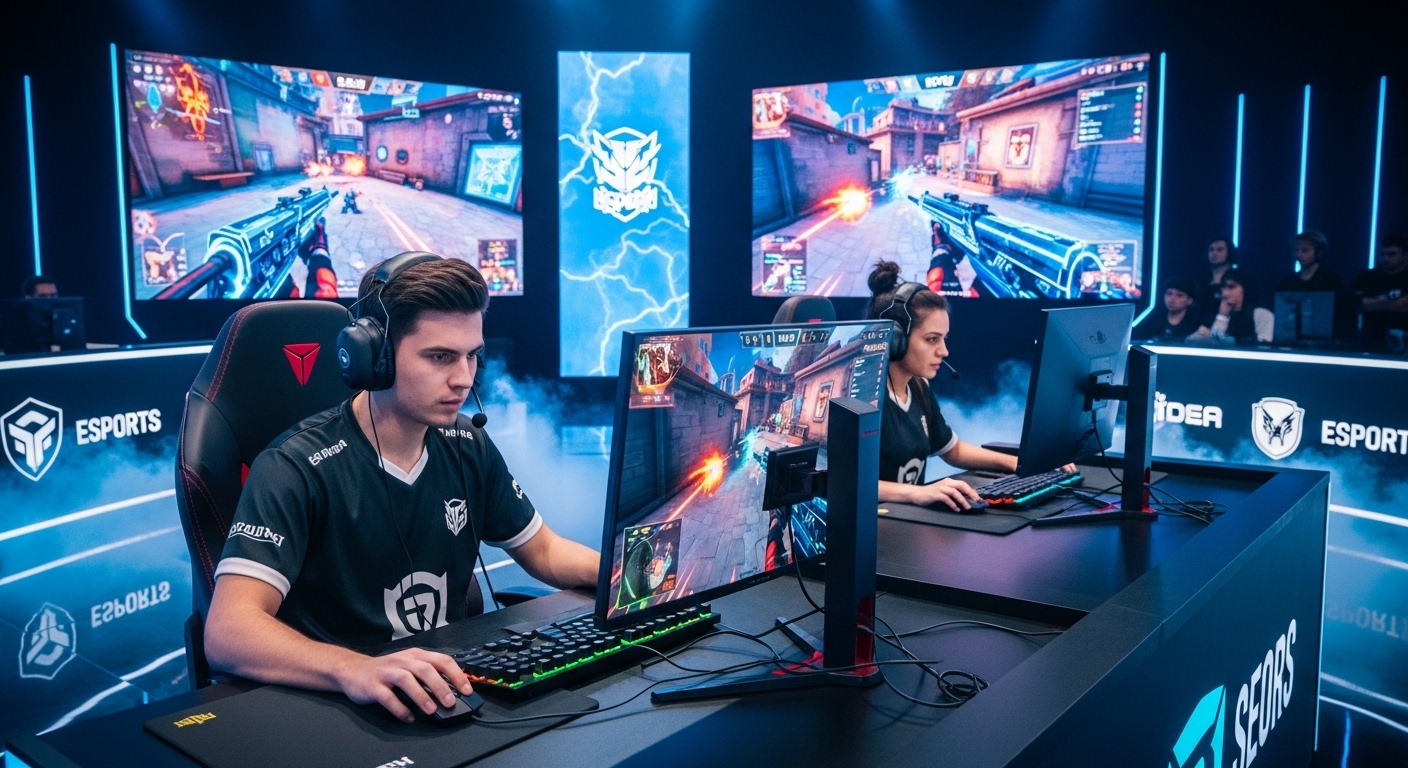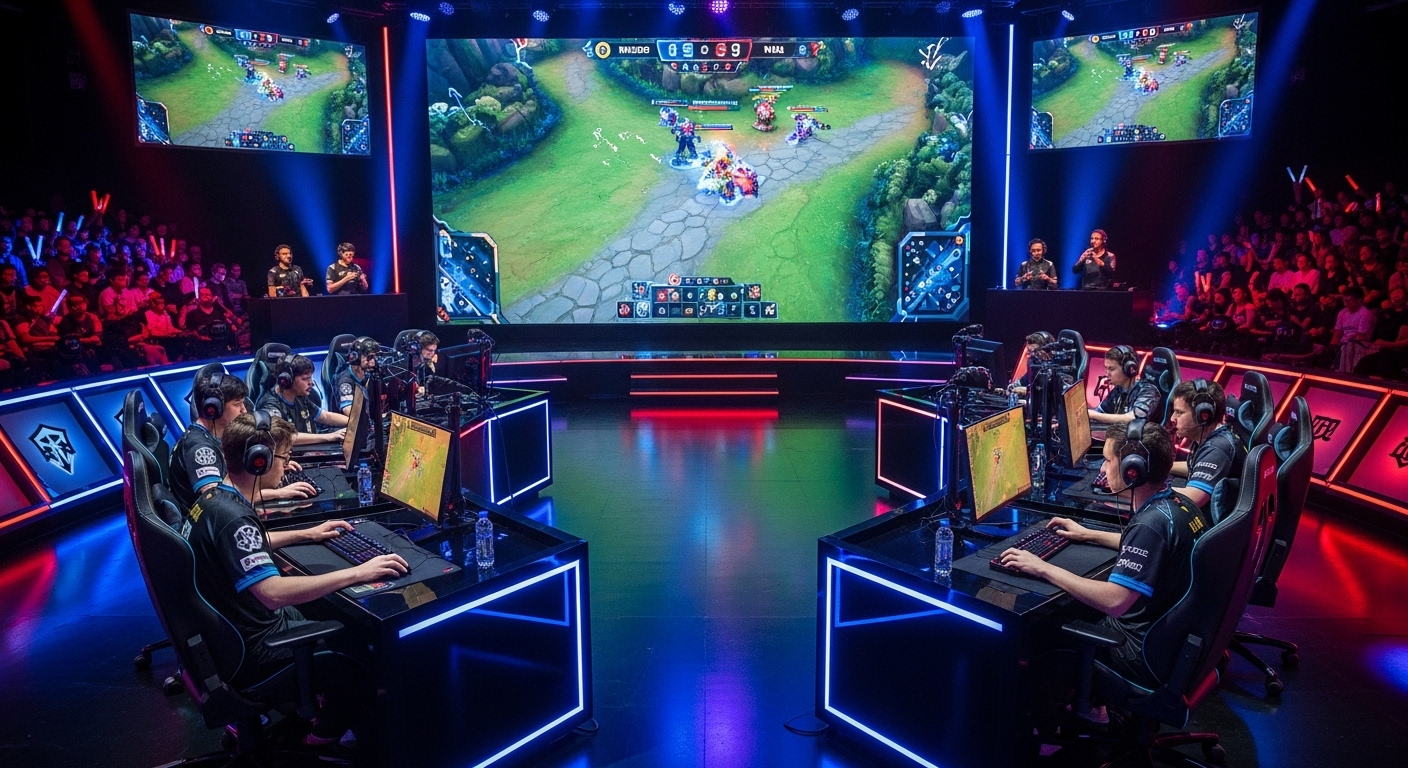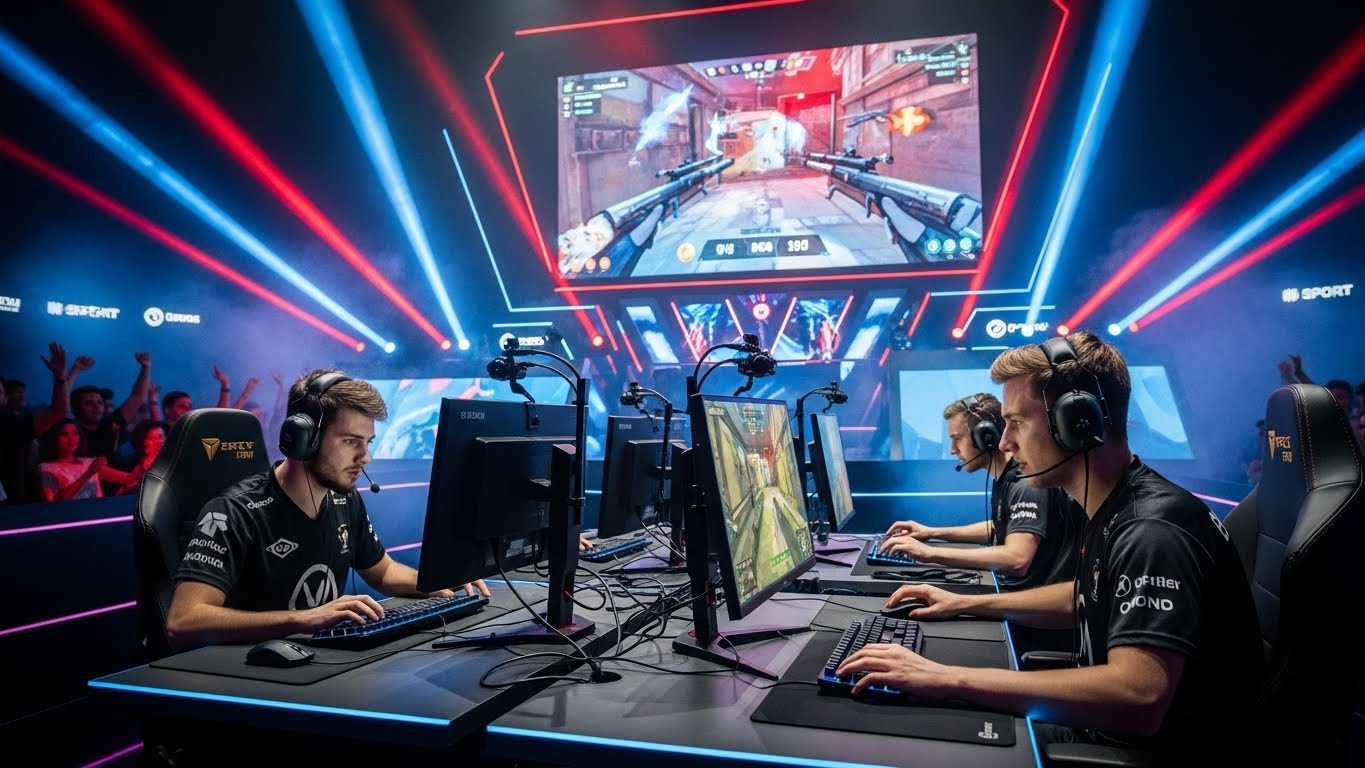
The world of competitive gaming, popularly known as eSports, has transformed from a niche hobby into a global entertainment powerhouse. What once began as casual video game competitions has grown into a professional industry with massive tournaments, sponsorships, streaming platforms, and fanbases rivaling traditional sports. Today, eSports is not only about winning games; it represents a culture, career opportunities, technological innovation, and a growing community that spans the globe.
This blog delves into the evolution of eSports, the technology behind it, its cultural and economic impact, the lifestyle of professional gamers, and the future of this booming industry.
Understanding eSports
eSports refers to organized competitive video gaming, typically involving professional players or teams competing in popular games for prizes, recognition, and rankings. These competitions are held online or in stadiums, often broadcasted to millions of viewers worldwide. Unlike casual gaming, eSports demands exceptional skill, strategy, teamwork, and dedication.
The rapid growth of eSports can be attributed to its accessibility and inclusivity. Anyone with a gaming device and internet connection can practice, compete, and even pursue a professional career. This accessibility has democratized competitive gaming, allowing players from all over the world to participate in tournaments and establish themselves on a global stage.
The Origins of Competitive Gaming
Competitive gaming has been around for decades, though it was once considered a niche hobby. The earliest tournaments date back to the late 1970s and early 1980s, with games like Space Invaders and Pac-Man gaining attention in arcades. By the 1990s, competitive gaming had shifted to personal computers and consoles, with titles like Street Fighter, Doom, and Quake attracting players into organized competitions.
However, the true global rise of eSports began with online multiplayer gaming. The ability to connect players from different countries in real-time transformed gaming from a local pastime to an international sport. This innovation paved the way for professional leagues, sponsorships, and the large-scale tournaments we see today.
Popular eSports Game Genres
eSports spans multiple game genres, each with a dedicated audience and competitive structure. Some of the most prominent categories include:
Multiplayer Online Battle Arena (MOBA) Games
MOBA games such as League of Legends and Dota 2 are the cornerstone of professional eSports. These games require strategy, teamwork, and precise execution. Players coordinate with teammates to achieve objectives and defeat opponents, creating a high level of tactical complexity. MOBA tournaments often feature enormous prize pools and attract millions of viewers worldwide.
First-Person Shooters (FPS)
FPS games like Counter-Strike, Call of Duty, and Valorant emphasize speed, accuracy, and teamwork. Players must react quickly, communicate effectively, and make strategic decisions under pressure. The competitive scene for FPS titles is intense, with professional players earning recognition and sponsorships comparable to traditional athletes.
Battle Royale Games
Battle royale games, including Fortnite and Apex Legends, introduce survival-based competition in large-scale maps. Players or teams compete to be the last one standing, making each match unpredictable and exciting for viewers. These games have gained massive popularity in recent years, contributing significantly to the growth of eSports audiences.
Sports and Racing Games
Traditional sports games like FIFA, NBA 2K, and racing titles such as Gran Turismo have also carved a niche in eSports. They combine real-world sports strategy with virtual competition, attracting fans of both gaming and physical sports. Professional leagues and tournaments for these games have grown steadily, offering career opportunities for skilled players.
The Rise of eSports Tournaments
Tournaments are the backbone of eSports, providing structured competition and opportunities for players to showcase their talent. Early competitions were small-scale events, but modern tournaments fill stadiums, offer massive prize pools, and are broadcast globally. The League of Legends World Championship, for example, attracts millions of viewers and distributes millions of dollars in prizes.
Tournaments have professionalized eSports by introducing sponsorships, contracts, and media coverage. They also encourage community engagement, as fans follow their favorite players and teams, creating a shared sense of excitement and loyalty.
The Professional eSports Lifestyle
Becoming a professional eSports athlete is far more demanding than casual gaming. Professional players follow strict routines, including daily practice, team strategy sessions, physical training, and mental conditioning. Many top-tier teams employ coaches, analysts, nutritionists, and psychologists to optimize performance.
Training often involves reviewing gameplay footage, studying opponents, and refining strategies to gain a competitive edge. The commitment required for professional gaming parallels traditional sports, with players investing countless hours to perfect their skills and maintain peak performance under pressure.
Streaming and Its Influence on eSports
Streaming platforms have been instrumental in eSports’ growth. Millions of viewers worldwide watch live matches, tutorials, and commentary, creating a new form of interactive entertainment. Professional players often stream their gameplay, connecting with fans, building personal brands, and generating additional revenue.
Streaming has also allowed eSports to reach global audiences, attracting casual viewers who may later become passionate fans. The combination of live viewing, social interaction, and content creation has transformed eSports into a participatory experience rather than passive entertainment.
Cultural Impact of eSports
eSports is more than a competitive activity; it has become a cultural phenomenon. Players and fans from diverse backgrounds come together to celebrate gaming as a form of art, competition, and social connection. Communities thrive on forums, social media, and fan events, fostering creativity through fan art, cosplay, and shared experiences.
eSports has also influenced fashion, music, and lifestyle trends. Merchandise, sponsorships, and collaborations with mainstream brands demonstrate the cultural significance of gaming, making it a key part of modern entertainment culture.
Economic Impact of eSports
The eSports industry generates billions of dollars globally, creating opportunities for players, teams, developers, and event organizers. Major tournaments stimulate local economies through tourism, hospitality, and event production. Sponsorship deals with global brands provide revenue streams that rival traditional sports, while merchandising and streaming further support the financial ecosystem.
Investment in eSports infrastructure, including arenas, training facilities, and educational programs, is growing rapidly. Countries and organizations recognize the potential of eSports to create jobs, promote technology, and enhance international visibility.
Challenges in the eSports Industry
Despite its rapid growth, eSports faces several challenges. Player burnout is a major concern due to long practice hours, intense competition, and mental pressure. Maintaining physical and mental health is crucial to sustaining a professional career.
Other challenges include maintaining fair play, preventing cheating, ensuring online safety, and establishing standardized regulations across global tournaments. As the industry expands, balancing growth with professionalism and ethical responsibility is essential.
The Future of eSports
The future of eSports is bright, with continued growth expected in both audience size and economic value. Emerging technologies such as virtual reality and augmented reality could transform competitive gaming, creating new ways for players and fans to engage.
Educational programs and scholarships are increasingly supporting the next generation of professional gamers. Partnerships with traditional sports organizations and mainstream media will continue to legitimize eSports as a recognized profession and form of entertainment.
The convergence of gaming, streaming, and social interaction ensures that eSports will remain a dominant force in global entertainment. Its dynamic nature, inclusive appeal, and technological innovation make it uniquely positioned for long-term growth.
Conclusion
eSports has evolved from humble beginnings into a global phenomenon that blends competition, entertainment, culture, and technology. It connects people across borders, provides career opportunities, and redefines the way audiences experience sports and entertainment.
As technology advances and the global community grows, eSports will continue to reshape the entertainment landscape, offering immersive experiences, thrilling competition, and endless opportunities for players and fans alike. Competitive gaming is no longer just a pastime; it is a movement that has permanently altered the way we play, watch, and celebrate games.