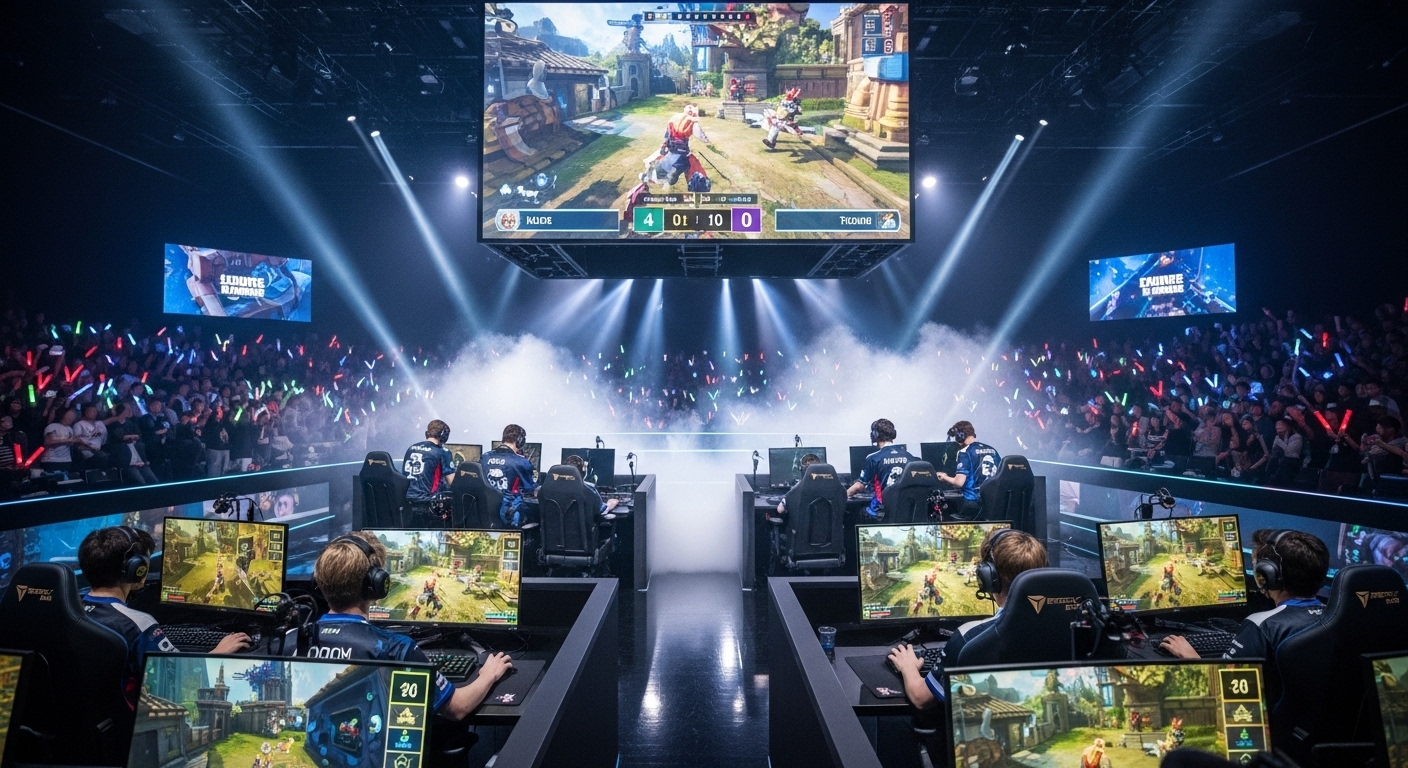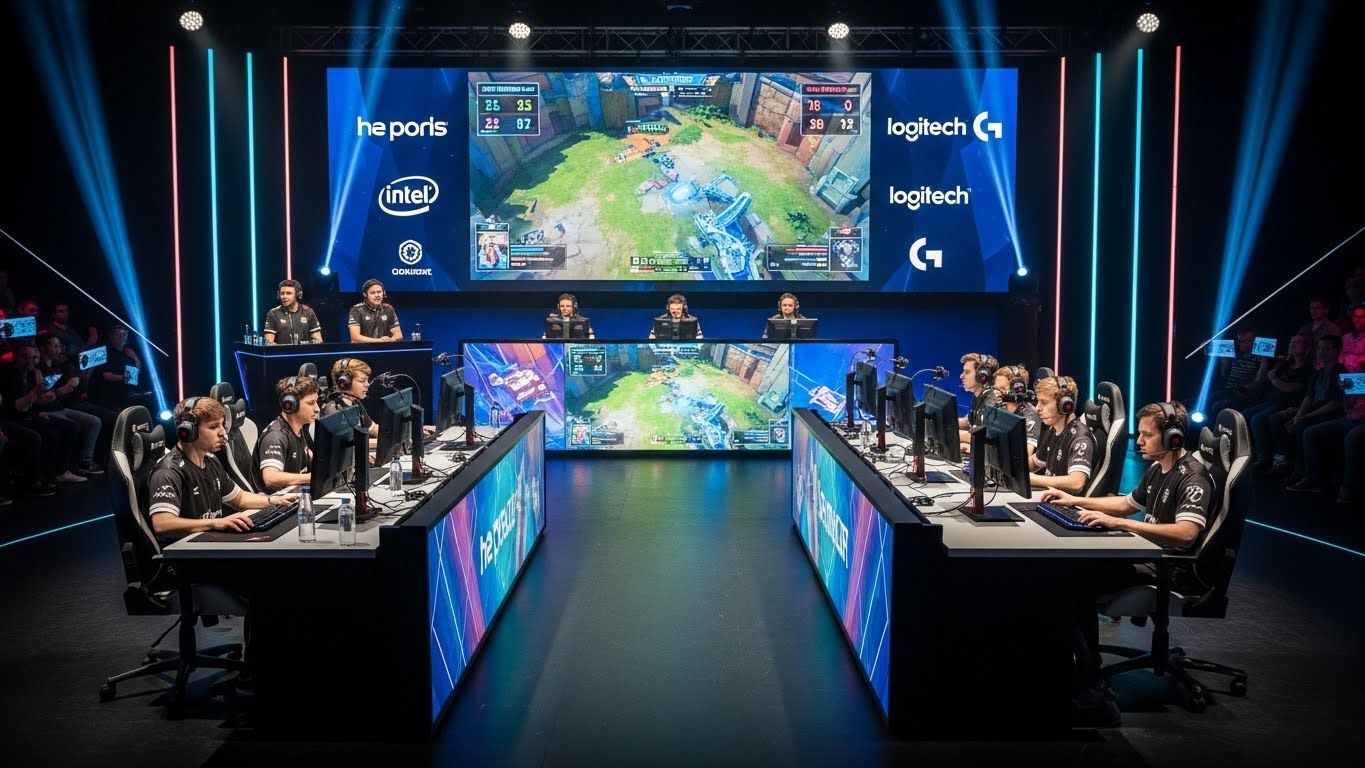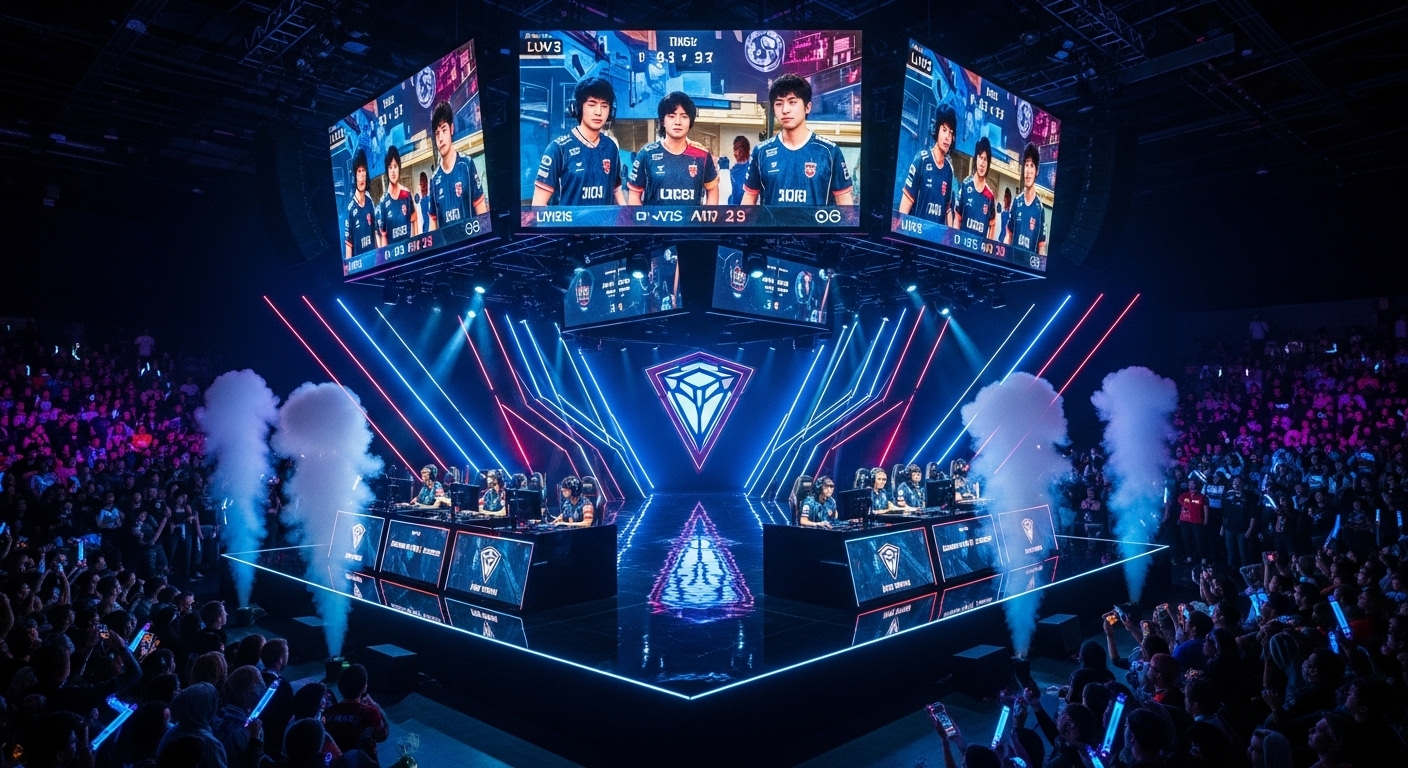
Esports, or competitive video gaming, has transformed from a niche hobby into a global phenomenon, captivating millions of players and viewers worldwide. What began as casual competitions in arcades has evolved into a multi-billion-dollar industry with professional leagues, international tournaments, and celebrity players. Esports combines strategic thinking, rapid reflexes, teamwork, and mental endurance, creating a unique form of competition that rivals traditional sports in skill, strategy, and excitement. Beyond entertainment, esports influences culture, education, technology, and economics, making it one of the most significant digital trends of the twenty-first century. This blog explores the history, growth, impact, and future of esports, highlighting its significance in the modern world.
The Origins and Growth of Esports
The roots of esports can be traced back to the 1970s and 1980s when video games became a popular form of entertainment. Early competitions were simple contests for high scores, often held in arcades or local gaming centers. As technology advanced, multiplayer games allowed players to compete directly against each other, increasing the social and competitive aspects of gaming. South Korea played a pivotal role in the rise of esports in the late 1990s, particularly with the release of StarCraft, which became a national sensation and led to the formation of professional gaming leagues. Over the years, games like League of Legends, Dota 2, Counter-Strike, and Fortnite have elevated esports to a global stage. Today, millions of people watch professional gaming online and in stadiums, making esports an integral part of modern entertainment.
The Competitive Structure of Esports
Esports has a professional ecosystem similar to traditional sports. Teams of skilled players compete in regional and international leagues, striving to reach championships with large prize pools. Competitive gaming covers multiple genres, including first-person shooters, strategy games, fighting games, and sports simulations, each requiring specific skills and strategies. Individual and team-based competitions both exist, emphasizing personal skill development and collaboration. Unlike traditional sports, esports relies on digital platforms, allowing players from different continents to compete without physical boundaries. This accessibility has contributed to the rapid expansion of esports communities and global viewership.
The Mental and Cognitive Benefits of Esports
Despite misconceptions that gaming is purely recreational, esports provides significant mental and cognitive benefits. Players develop strategic thinking, problem-solving abilities, and multitasking skills while analyzing in-game scenarios. Fast reflexes and quick decision-making are essential in high-pressure matches, fostering mental agility. Team-based games cultivate communication, leadership, and collaboration, essential traits for both professional and personal life. Additionally, handling victories and defeats in competitive environments builds emotional resilience, teaching patience, adaptability, and persistence. For younger players, esports offers opportunities to develop critical thinking and social skills in an engaging, interactive context.
Esports as a Social Platform
Esports has emerged as a powerful social platform, connecting players and audiences worldwide. Online gaming allows individuals to interact, collaborate, and form communities regardless of geographic location. Streaming platforms enable fans to watch live competitions, engage with players, and share experiences with others. Tournaments attract global audiences, fostering cross-cultural exchanges and creating shared experiences. Esports also promotes inclusivity, as physical disabilities are less of a barrier compared to traditional sports. The social aspect of esports helps players develop friendships, mentorships, and professional networks, turning gaming into a social and collaborative activity.
Economic Impact of Esports
The economic significance of esports is substantial, with revenues exceeding billions of dollars annually. Professional players can secure lucrative contracts, sponsorship deals, and prize money, making competitive gaming a viable career. Esports events generate revenue through ticket sales, merchandising, advertising, and broadcasting rights. Developers and tournament organizers invest heavily in infrastructure, marketing, and game development to maintain engagement and growth. The industry also stimulates related sectors, including streaming services, gaming hardware production, coaching, and event management. In many countries, esports is recognized as a professional avenue, providing job opportunities and encouraging entrepreneurship in digital entertainment.
Esports in Education and Youth Development
Esports is increasingly recognized in educational institutions, with schools and universities creating competitive gaming programs and scholarships. Participation in esports teaches discipline, time management, teamwork, and strategic thinking. Some programs integrate gaming with computer science, digital media, or design, preparing students for careers in technology and entertainment. Youth involvement in esports encourages skill development, social interaction, and goal setting, demonstrating that competitive gaming can have productive and educational value. With proper guidance and balance, esports offers a structured environment for young individuals to develop both cognitively and socially.
Cultural Significance of Esports
Esports has become a defining element of modern culture, influencing media, fashion, and entertainment. Professional gamers have achieved celebrity status, with fans following their careers, strategies, and personalities. Major tournaments are celebrated as cultural events, attracting audiences comparable to traditional sports championships. Esports has inspired fan art, merchandise, cosplay, and content creation, creating a vibrant and dynamic cultural ecosystem. By transcending borders, esports promotes global connectivity, allowing individuals from different backgrounds to collaborate, compete, and celebrate shared interests. It has become more than a hobby; it is a lifestyle and cultural movement.
Technological Innovations in Esports
Technological advancements have driven the growth and accessibility of esports. High-speed internet, advanced gaming hardware, and streaming platforms allow real-time competition and engagement. Analytics and performance-tracking tools help teams and players improve strategies, reduce errors, and optimize gameplay. Virtual reality and augmented reality are expected to expand esports into immersive, interactive experiences, offering new dimensions of competition and viewer engagement. Technology also enables global tournaments, allowing players to participate and fans to watch events from anywhere in the world. The fusion of gaming and technology has made esports a dynamic and continuously evolving industry.
Challenges in the Esports Industry
Despite its rapid growth, esports faces challenges that require attention. Concerns about mental health, burnout, and excessive screen time are significant for professional and amateur players alike. Gender disparity remains a persistent issue, with women underrepresented in competitive gaming despite growing interest. Regulatory and ethical issues, including cheating, sponsorship transparency, and fair play, are ongoing concerns. The commercialization of esports sometimes risks prioritizing profit over integrity and player well-being. Addressing these challenges is critical to ensure that esports continues to grow responsibly and maintain credibility as a professional and cultural enterprise.
Global Reach and Popularity
Esports has achieved unprecedented global reach, with hubs in South Korea, China, the United States, and Europe driving professional competition and audience engagement. International tournaments attract millions of viewers online and in-person, rivaling traditional sporting events. Mobile gaming has expanded esports accessibility in regions with limited access to consoles or PCs, further growing the audience. National recognition of esports is increasing, with some countries including it in sports programs and planning for competitive gaming in international multi-sport events. The global appeal of esports highlights its capacity to unite diverse audiences through shared passion and competition.
The Future of Esports
The future of esports is promising, with innovation, inclusivity, and expanding opportunities shaping its trajectory. Advances in virtual and augmented reality will create immersive gaming experiences, while AI-driven analytics will refine training and competition. Esports education programs and professional leagues will continue to develop structured pathways for aspiring players. Greater focus on mental health, ethical practices, and diversity will contribute to a more sustainable industry. Esports is poised to become an enduring element of global culture, redefining entertainment, competition, and professional opportunities for years to come.
Conclusion: Esports as a Transformative Force
Esports represents a transformative force in entertainment, culture, and competition. It combines skill, strategy, technology, and social engagement in a way that resonates with millions worldwide. Beyond entertainment, esports provides cognitive benefits, fosters social connection, drives economic growth, and inspires youth development. While challenges exist, such as mental health concerns and industry regulation, the potential of esports is immense. As it continues to evolve, esports is more than a digital pastime; it is a professional, cultural, and social movement shaping the future of competition, technology, and global interaction. Its rise signifies a new era where gaming is not just a hobby but a legitimate, impactful force that influences society, culture, and economy on a global scale.