In the past decade, a new form of entertainment has been taking the world by storm: Esports. A term that was once relatively unknown to many, has now become a global phenomenon, with millions of fans tuning in to watch their favorite gamers compete for massive prizes. From humble beginnings as small online tournaments to multi-million-dollar events held in state-of-the-art arenas, esports has experienced explosive growth and is now one of the most lucrative industries in the world. But what exactly is esports? How has it evolved, and why does it continue to captivate millions of people worldwide? In this post, we will explore the rise of esports, its impact on the gaming and entertainment industries, and the exciting future that lies ahead.
What is Esports?
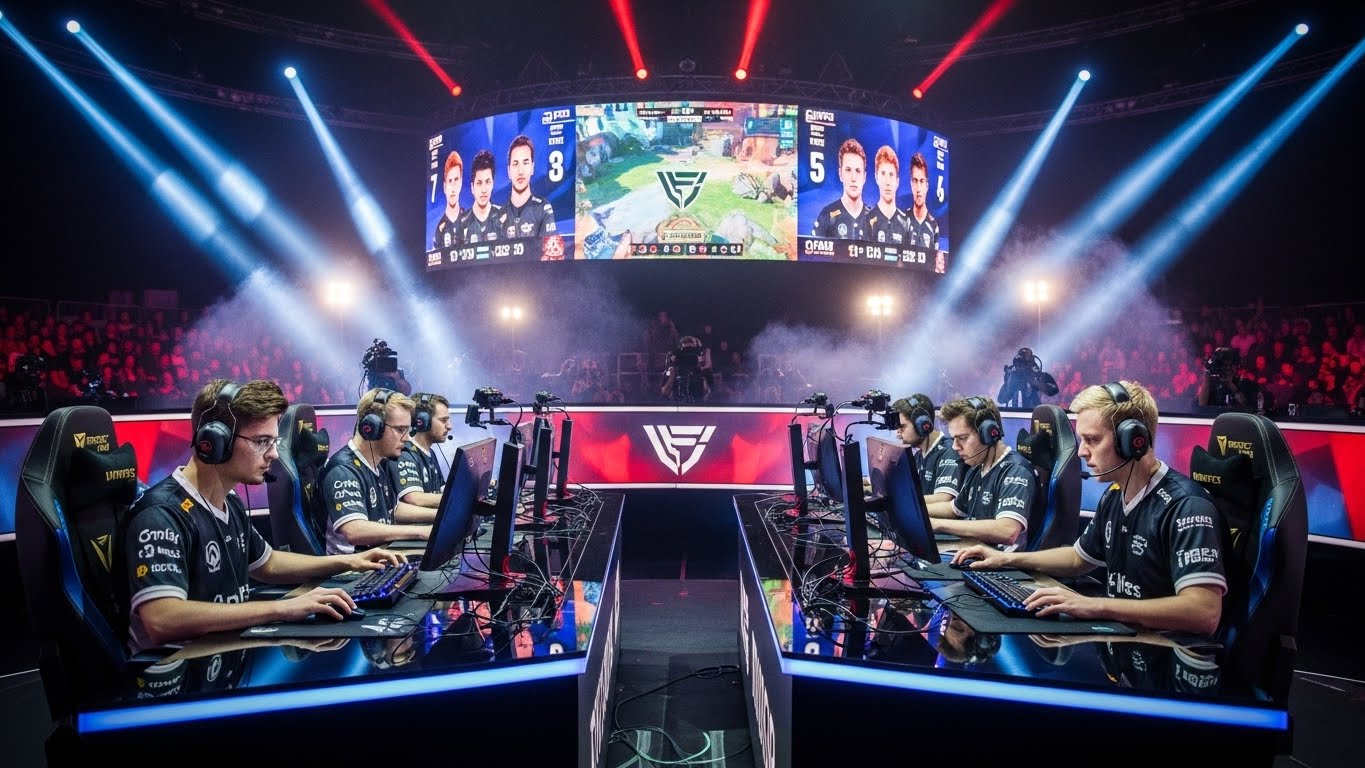
At its core, esports refers to competitive video gaming. Professional players, often organized into teams, compete in organized tournaments for cash prizes, sponsorship deals, and a significant online following. While traditional sports like football or basketball are played in physical arenas, esports events often take place online or in large stadiums designed to accommodate the growing fan base. Unlike casual gaming, esports demands skill, precision, and teamwork at the highest level, turning gaming into a spectator sport in its own right.
The range of games played in esports is vast and varied, from first-person shooters (FPS) like Counter-Strike and Call of Duty to multiplayer online battle arenas (MOBA) like League of Legends and Dota 2. Other genres like real-time strategy (RTS) and fighting games also have their place in the competitive gaming scene. The diversity of games ensures that there is something for every kind of gamer and spectator to enjoy.
A Glimpse into Esports’ Early Beginnings
Esports isn’t a completely new phenomenon, although its mainstream recognition is more recent. The origins of competitive gaming can be traced back to the early 1990s. One of the earliest examples of a gaming competition was the Red Annihilation tournament for Quake, held in 1997. This tournament drew the attention of competitive gamers and set the stage for the larger esports tournaments that would follow.
In the early days, esports was a niche community. Tournaments were small-scale and often held in local gaming cafes or online servers. However, even in these humble beginnings, there was a sense of excitement surrounding competitive play. Players participated because they were passionate about gaming and the thrill of competition, while fans tuned in because it was an exciting way to watch skilled players face off.
The rise of broadband internet and the accessibility of online multiplayer games in the early 2000s played a huge role in the growth of esports. Games like StarCraft and Warcraft III attracted large audiences, particularly in countries like South Korea, where gaming culture was already deeply ingrained. The first professional esports leagues began to emerge around this time, and the foundations were laid for what would later become a multi-billion-dollar industry.
The Global Explosion of Esports
By the late 2000s and early 2010s, esports had started to gain more mainstream attention, particularly in Asia, where countries like South Korea and China embraced competitive gaming with open arms. South Korea, in particular, was a pioneer in establishing a culture around esports, with cable channels dedicated to broadcasting live tournaments, as well as government backing for the esports infrastructure. The country has long been the epicenter of competitive gaming, producing top-tier players and hosting some of the largest esports events globally.
The advent of streaming platforms like Twitch and YouTube also played a crucial role in the rise of esports. These platforms allowed gamers to broadcast their gameplay to an international audience, building massive fanbases and giving sponsors and advertisers a reason to invest in esports. The shift to digital platforms made it easier for both players and fans to access esports content, giving the industry a global reach that it had never experienced before.
In 2011, League of Legends was released by Riot Games, marking a key turning point for esports. The game’s accessibility, depth, and free-to-play model helped it become one of the most successful esports titles in history. Riot Games began organizing annual League of Legends World Championships, which quickly became some of the largest esports events in the world, attracting millions of viewers and offering prize pools in the millions of dollars.
Over the next decade, esports continued to expand. New games and genres were introduced, such as Fortnite, PUBG, Overwatch, and Valorant, each adding to the diversity of the esports ecosystem. Major publishers like Blizzard Entertainment, Valve, and Epic Games recognized the potential of esports and invested heavily in their competitive scenes.
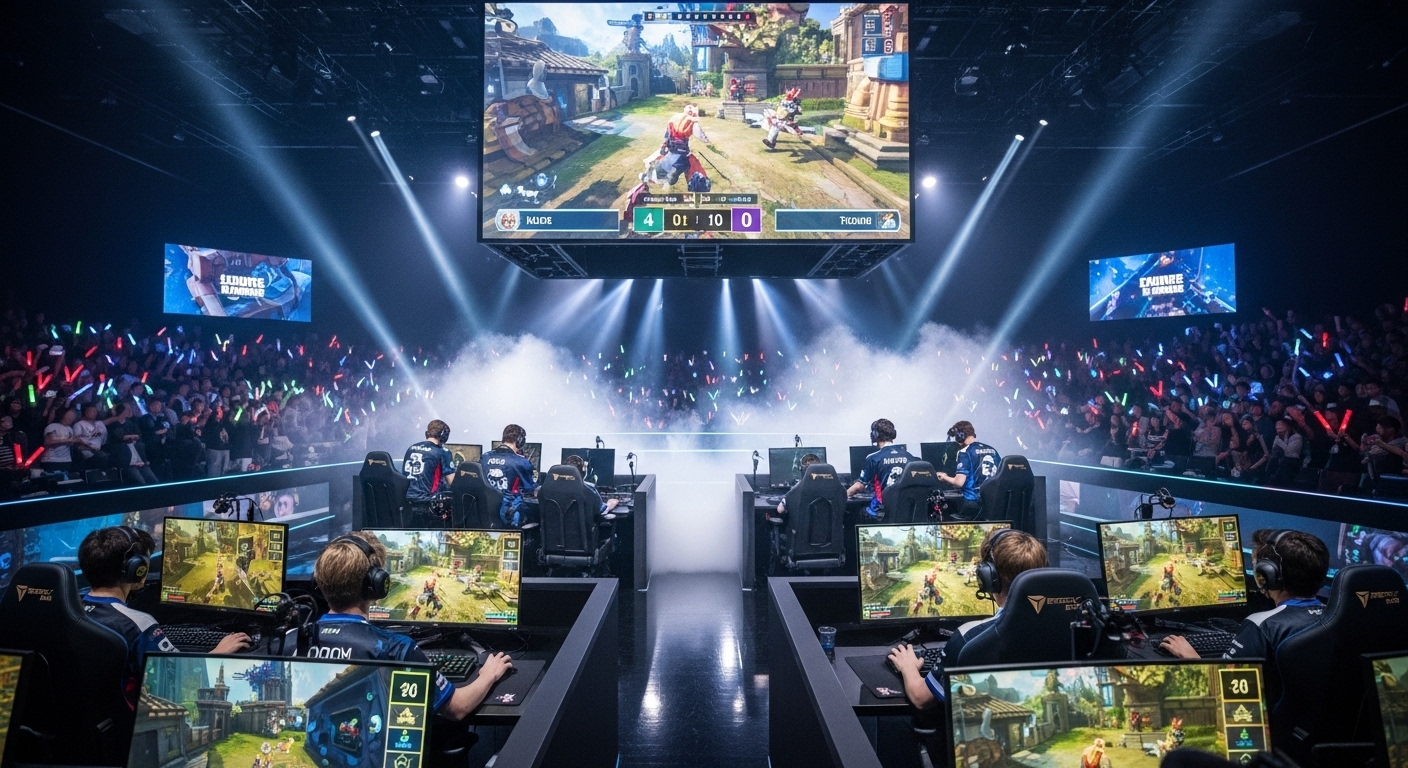
Today, esports tournaments fill massive arenas such as the Mercedes-Benz Arena in Berlin and the Arthur Ashe Stadium in New York, attracting thousands of live spectators. Online streaming platforms host millions of viewers tuning in from every corner of the globe. Esports is no longer confined to niche communities but has emerged as a mainstream entertainment form.
The Business of Esports: A Multi-Billion Dollar Industry
The rapid growth of esports has turned it into a highly lucrative industry. As of 2023, the global esports market is estimated to be worth over $1 billion, with projections suggesting that it could continue to grow significantly in the coming years. Several factors contribute to this meteoric rise, including sponsorships, media rights, advertising, and merchandising.
One of the primary revenue drivers for esports is sponsorship. Major brands across various industries are keen to tap into the esports audience, which is predominantly young, tech-savvy, and highly engaged. From technology companies like Intel and NVIDIA to consumer goods companies such as Coca-Cola and Red Bull, esports sponsorships have become a common way for brands to reach a global, dedicated fanbase. In addition to event sponsorships, individual players and teams also sign sponsorship deals with companies, which can significantly boost their income.
Media rights are another key revenue stream. As esports tournaments grow in scale and viewership, media companies and streaming platforms have increasingly sought the rights to broadcast these events. In particular, partnerships with platforms like Twitch, YouTube, and Facebook have allowed esports tournaments to reach millions of viewers, further fueling the industry’s growth.
Prize money is also a major part of the esports ecosystem. Top-tier tournaments offer multi-million-dollar prize pools, with some games like The International (Dota 2) offering over $40 million in prize money. These large prize pools attract the best players and teams from around the world, elevating the competitive nature of the tournaments.
The esports industry has also contributed to job creation, not just for players, but for a wide range of professionals. Esports organizations employ coaches, analysts, broadcasters, content creators, and event managers, among others. The sheer scale of the esports ecosystem means that it supports a large number of individuals across various fields.
The Culture of Esports: Fandom, Streaming, and Community
One of the most captivating aspects of esports is the passionate and engaged fanbase that surrounds it. Unlike traditional sports, where fans often follow local or national teams, esports fans are often loyal to individual players or teams, regardless of geographical location. This creates a truly global community, where fans from different cultures and backgrounds unite over their shared love for gaming.
Esports fans are highly interactive and social, often communicating through social media platforms, Discord channels, and live stream chats. The ability to interact directly with players, teams, and commentators during live streams creates a sense of connection and involvement that traditional sports cannot replicate.
Streaming platforms like Twitch have become the heart of esports culture. Here, fans can watch live gameplay, interact with their favorite players, and join in the excitement of watching a match unfold in real time. Many top esports players also use these platforms to build their personal brands, stream casual games, and engage with their followers, further solidifying their popularity.
In addition to live streaming, YouTube and other social media platforms play a crucial role in content creation. Highlight reels, commentary, and game analyses allow fans to stay updated on their favorite teams and players, even if they can’t watch every match live. This content ecosystem extends the reach of esports beyond just the tournaments, keeping fans engaged year-round.
The Future of Esports
As esports continues to grow and evolve, the future looks incredibly promising. With increasing viewership, new technology, and growing institutional support, esports is poised to become an even larger part of mainstream culture.
One potential area of growth is the integration of virtual reality (VR) and augmented reality (AR) into esports. As VR and AR technology becomes more accessible, we may see immersive esports experiences that offer fans the ability to watch games in new and exciting ways. Imagine stepping into a virtual stadium to watch a League of Legends match or experiencing a Counter-Strike match from the perspective of the players themselves.
Another exciting development is the rise of esports in education. Esports programs are being introduced in schools and universities around the world, with students having the opportunity to compete in organized leagues and even earn scholarships. This trend not only legitimizes esports as a career path but also helps foster talent from a young age.
With esports gaining more recognition as a professional career, there is potential for even more corporate involvement. Just like traditional sports, esports could see more major sponsorships, bigger tournaments, and lucrative TV deals. This could lead to even higher prize pools, greater job opportunities, and a wider range of career paths in the esports industry.
Conclusion
Esports has evolved from a niche hobby to a global entertainment powerhouse. Its rapid growth is a testament to the increasing popularity of gaming as both a pastime and a profession. With millions of fans, lucrative prize pools, and a thriving industry, esports has firmly established itself as an entertainment phenomenon that is here to stay. The rise of esports is reshaping not only how we view gaming but also how we interact with technology, media, and each other.