Over the past decade, esports has transformed from a niche hobby to a global phenomenon, captivating millions of players and viewers worldwide. What was once seen as a pastime for gamers has now evolved into a professional, multi-billion-dollar industry with massive tournaments, sponsorships, and dedicated fanbases. From humble beginnings in basements and small LAN cafes to sold-out arenas and televised events, esports has quickly made its mark on the entertainment world. This blog post will explore the growth of esports, its impact on the gaming community, the challenges it faces, and its bright future.
1. What is Esports?
Esports: Competitive Gaming Taken to the Next Level
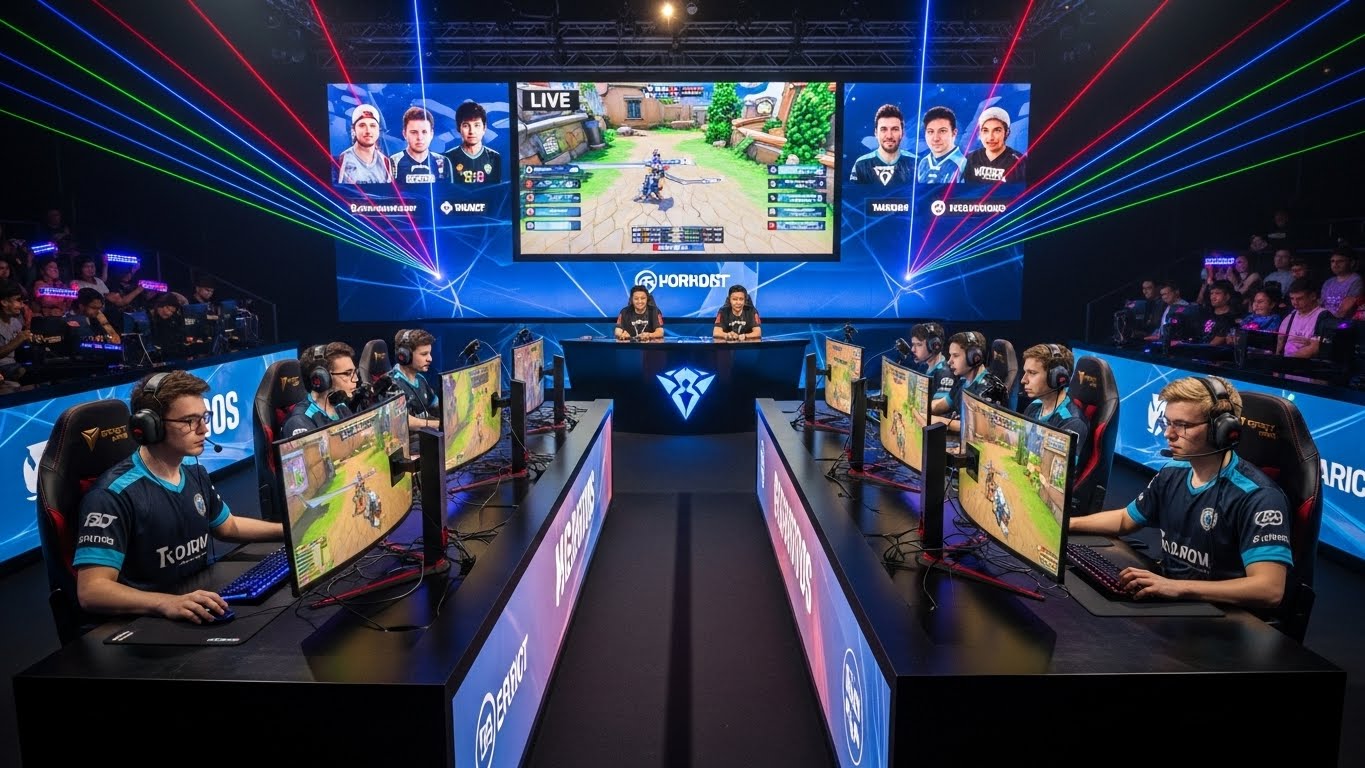
Esports, short for electronic sports, refers to competitive video gaming where individuals or teams compete against each other in various video games. These games can range from first-person shooters (FPS) and multiplayer online battle arena (MOBA) games to real-time strategy (RTS) games and sports simulators. What sets esports apart from casual gaming is the level of competition, organization, and professional stakes involved. Esports athletes train rigorously, refine their skills, and participate in tournaments for large cash prizes, sponsorships, and recognition in the gaming community.
The most popular esports titles include League of Legends, Dota 2, Counter-Strike: Global Offensive, Overwatch, Fortnite, and Call of Duty. These games boast large player bases, with professional leagues, tournaments, and events drawing in thousands of spectators, both online and in person.
2. The Explosive Growth of Esports
From Niche to Mainstream
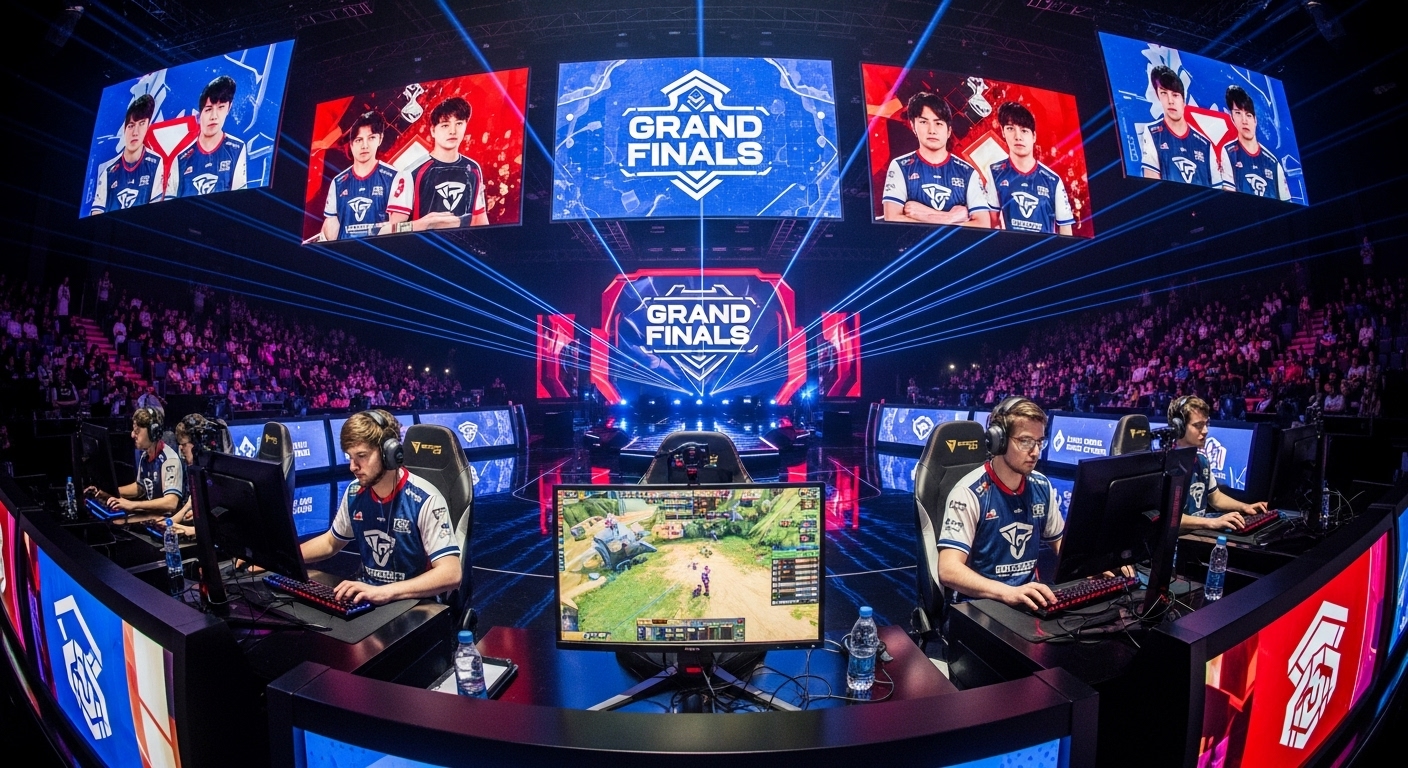
Esports has experienced meteoric growth in the last decade, driven by several key factors: increased internet access, the rise of streaming platforms like Twitch and YouTube, and the growing popularity of competitive gaming among younger generations. In the early days of esports, tournaments were small-scale, often held in local LAN cafes or community centers. Today, major esports competitions are held in massive arenas and broadcasted to millions of viewers globally.
The turning point for esports came in 2013, when major developers and publishers began to embrace the idea of organized competitions and professional leagues. Riot Games, the developer behind League of Legends, was one of the first companies to create a professional esports league with the League of Legends Championship Series (LCS), which helped solidify esports as a legitimate industry.
As the popularity of esports grew, so did its audience. What once was a niche community of gamers has now expanded to a global audience, with esports fans from all walks of life tuning in to watch their favorite teams and players compete. In fact, esports is now considered one of the fastest-growing entertainment industries, with estimates placing its value in the billions of dollars.
3. The Esports Ecosystem
A Complex Web of Players, Teams, Sponsors, and Media
Esports isn’t just about the games themselves—it’s an entire ecosystem that involves players, teams, organizers, sponsors, and fans. Understanding the structure of this ecosystem is key to appreciating the magnitude of esports.
Players and Teams: Professional esports players dedicate hours upon hours to mastering their chosen games. Many of them start their careers at a young age, playing in smaller tournaments or streaming on platforms like Twitch to build their fanbases. As players improve, they get scouted by professional teams, which offer them contracts to play in major leagues and tournaments. These teams often have coaches, analysts, and support staff to help players develop strategies and refine their skills.
Tournaments and Leagues: Esports is driven by large-scale tournaments and leagues, where players and teams battle it out for top honors. Some of the most prestigious events include The International (for Dota 2), the League of Legends World Championship, and ESL One for CS:GO. These tournaments not only feature intense gameplay but also offer massive prize pools, often in the millions of dollars.
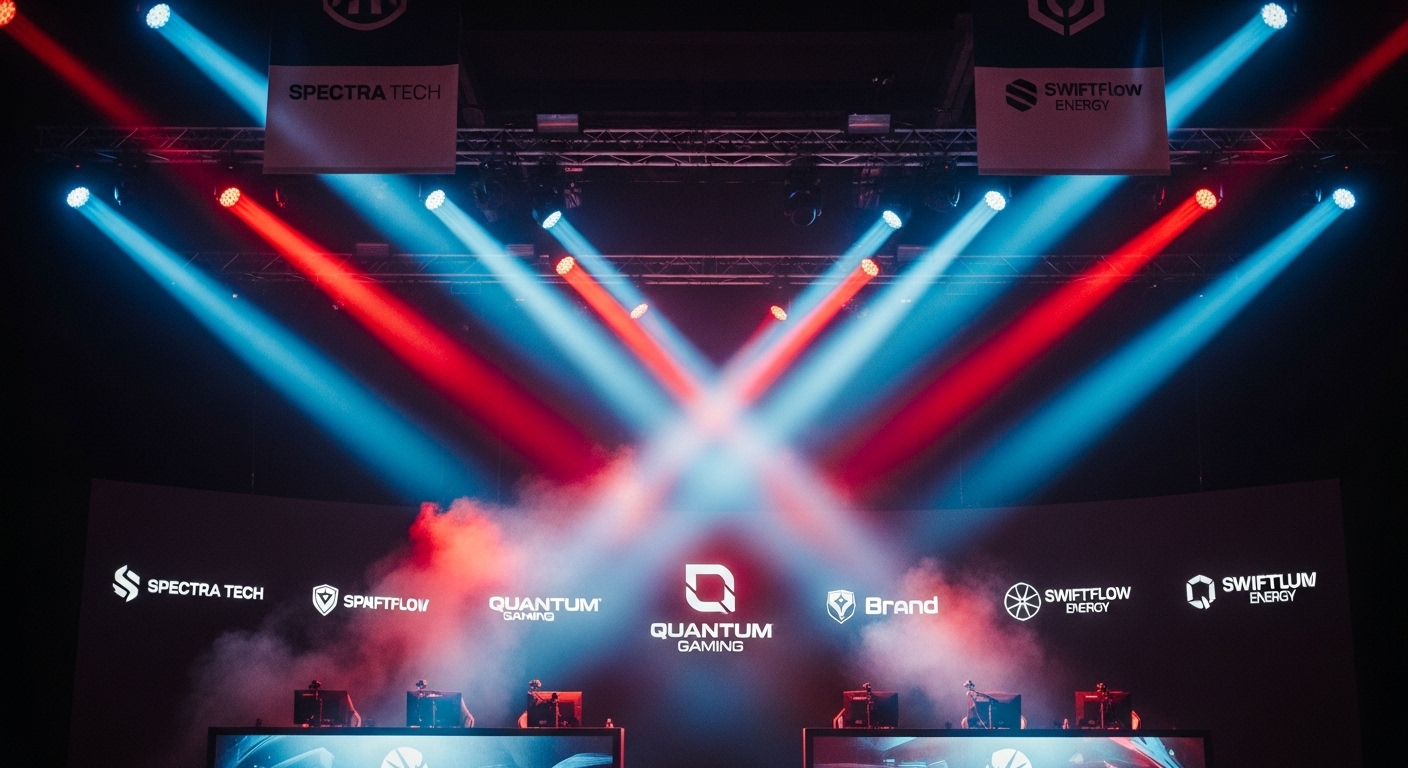
Sponsors and Partners: Like traditional sports, esports relies heavily on sponsorships and brand partnerships. Major tech companies like Intel, Nvidia, and Razer, as well as global brands like Coca-Cola, Nike, and BMW, are heavily involved in the esports scene, providing financial support in exchange for brand visibility. Sponsorships help fund tournaments, pay player salaries, and provide the infrastructure for the industry to thrive.
Streaming Platforms and Media: Streaming platforms like Twitch, YouTube Gaming, and Facebook Gaming play a central role in the growth of esports. These platforms allow players and fans to connect in real-time, providing a space for live broadcasts of tournaments, casual gameplay, and behind-the-scenes content. In fact, some esports events have attracted viewership numbers comparable to traditional sports events, further solidifying esports as a major cultural force.
4. The Impact of Esports on the Gaming Community
Changing the Landscape of Gaming Culture
Esports has had a profound effect on the gaming community, both socially and culturally. It has given gamers an opportunity to elevate their passion into a legitimate career, something that was previously almost unheard of. Gamers now have a clear pathway from casual player to professional, with opportunities to compete at the highest levels and earn a living doing what they love.
A New Form of Entertainment: Esports has turned gaming into a spectator sport. Viewers who may not be skilled enough to compete at a professional level can still enjoy watching the best players in action, much like how fans of traditional sports watch elite athletes. Tournaments like The International and League of Legends World Championships draw in millions of viewers from around the world, with some even watching the events in person, packing out massive stadiums.
Building Communities: Esports has also helped foster a sense of community. Competitive gaming has brought people together from different backgrounds and countries, united by their love for gaming. Esports tournaments often feature a unique atmosphere where fans can connect with like-minded individuals, either online or in person, creating a sense of belonging and camaraderie.
Influencing Game Development: Game developers are increasingly designing titles with competitive play in mind. Many modern games are built to support esports, with dedicated modes for competitive play, ranking systems, and professional tournaments. The success of games like League of Legends and Fortnite has proven that a strong esports ecosystem can significantly increase a game’s longevity and popularity.
5. Challenges Facing the Esports Industry
Overcoming Growing Pains
Despite its rapid growth, the esports industry faces several challenges that could hinder its long-term success. These challenges include the sustainability of tournament prize pools, player burnout, the lack of regulation, and the need for better infrastructure.
Player Burnout: Professional esports players often face intense pressure to perform at the highest level. The grind of constant practice, traveling for tournaments, and maintaining peak performance can take a significant toll on players’ mental and physical well-being. This has led to concerns about burnout, with many players retiring at a young age after a short but intense career. To mitigate this, esports organizations are starting to implement mental health support systems and offering players more balanced schedules.
Lack of Regulation: Unlike traditional sports, esports is still relatively unregulated. There are no uniform standards for player contracts, tournament rules, or even the distribution of prize money. This lack of regulation can lead to disputes, unfair practices, and even scandals, such as match-fixing. As the industry grows, it will likely need to develop better governance structures to ensure fairness and transparency.
Sustainability of Prize Pools: Many esports tournaments offer multimillion-dollar prize pools, which are often funded by sponsorships and viewership revenue. However, questions remain about the sustainability of these prize pools in the long term. If sponsorships decrease or viewership wanes, some tournaments may struggle to offer the same level of financial incentives, which could impact the growth of the industry.
6. The Future of Esports
A Bright and Expanding Horizon
The future of esports looks incredibly promising. As the industry continues to grow, new opportunities and innovations will emerge, making esports even more accessible, inclusive, and profitable.
Mainstream Acceptance: One of the most significant trends in the future of esports is its increasing acceptance in mainstream media and society. Esports is gradually being recognized as a legitimate sport, with some countries even considering it for inclusion in major events like the Olympics. This recognition could open doors for further investment and greater visibility for esports.
Mobile Gaming and Cloud Gaming: The rise of mobile gaming is another exciting development for esports. Games like PUBG Mobile and Arena of Valor have already created competitive esports scenes on mobile platforms. Additionally, cloud gaming services like Google Stadia and Microsoft xCloud could democratize esports by allowing anyone with an internet connection to play and compete at the highest level without the need for expensive gaming hardware.
Increased Investment: As the financial potential of esports becomes more apparent, we can expect to see greater investment from both traditional sports organizations and tech giants. This influx of capital will help support infrastructure, improve the quality of tournaments, and foster a new generation of talent.
Conclusion: Esports Is Here to Stay
Esports has rapidly evolved from a niche hobby to a global industry, and its growth shows no signs of slowing down. As the landscape continues to develop, esports will become even more integral to the gaming culture and the wider entertainment world. With millions of passionate fans, lucrative sponsorships, and the potential for massive global exposure, the future of esports is bright. Whether you’re a casual gamer or a hardcore fan, one thing is clear: esports is here to stay.