Introduction
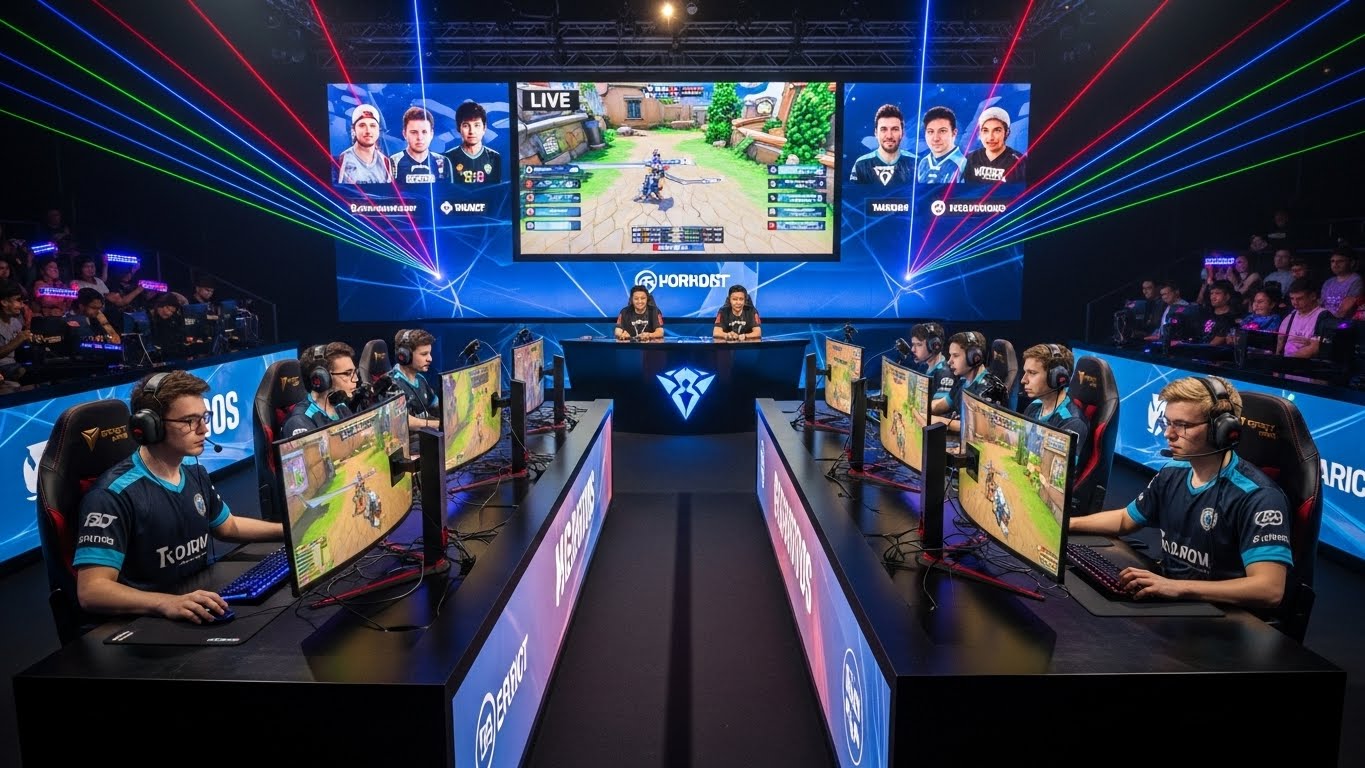
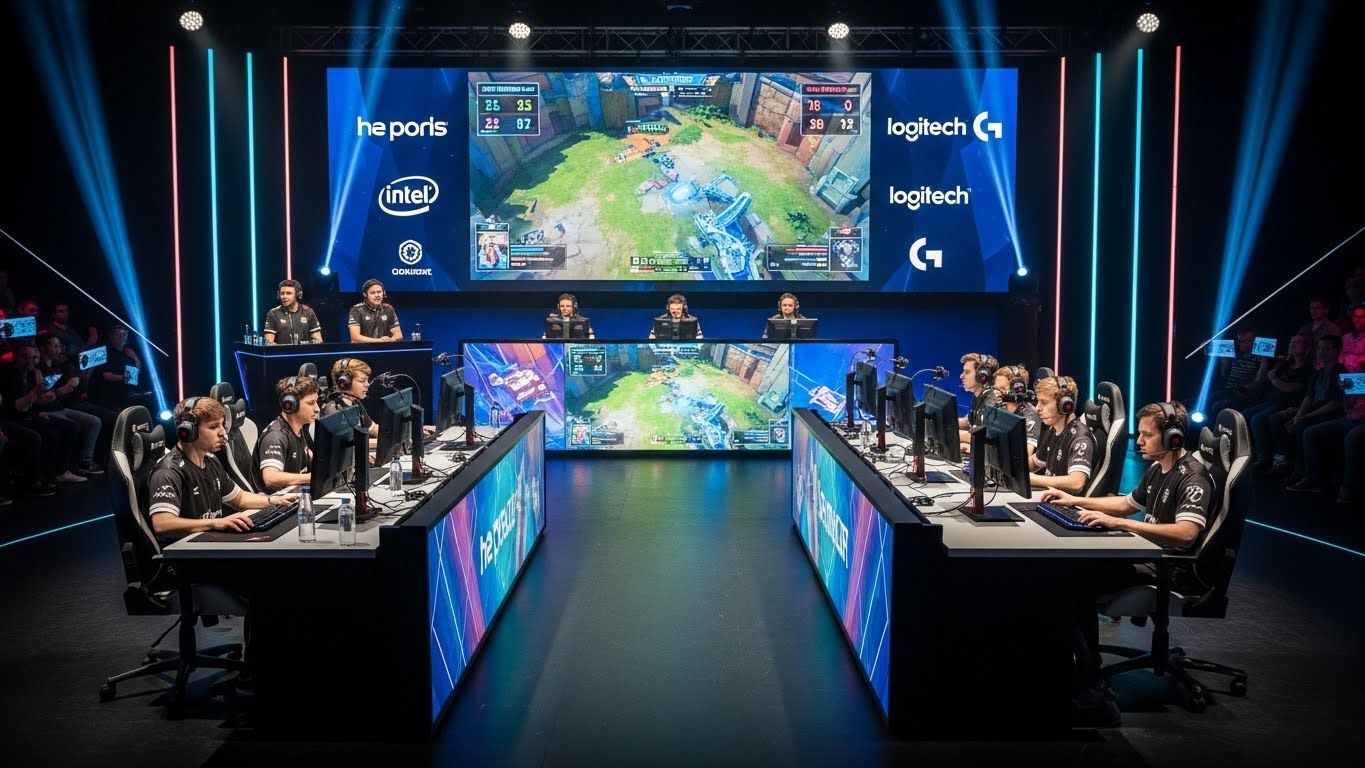
In recent years, esports has transformed from a niche hobby into a global phenomenon that rivals traditional sports in viewership, popularity, and economic impact. Short for electronic sports, esports refers to competitive gaming where individuals or teams play video games at professional levels, often in tournaments broadcasted worldwide. The rise of esports has been fueled by technological advancements, streaming platforms, professional leagues, and a growing community of dedicated fans.
Esports is more than just playing games; it represents a convergence of skill, strategy, teamwork, and entertainment. This blog explores the evolution of esports, its economic and cultural significance, popular games and genres, emerging trends, challenges, and the future of competitive gaming.
The Origins of Esports
The roots of esports can be traced back to the 1970s and 1980s when arcade competitions and early video game tournaments gained popularity. Titles such as Space Invaders and Pac-Man sparked local competitions, setting the stage for organized competitive play.
In the 1990s, multiplayer PC games like Doom, Quake, and StarCraft began connecting players online, allowing competitive gaming to expand beyond local arcades. The rise of the internet enabled larger tournaments, international competitions, and the formation of early esports communities.
By the 2000s, esports became more professionalized with the creation of organized leagues, sponsorship deals, and live events. Streaming platforms like Twitch and YouTube further amplified the reach of esports, allowing millions of viewers to watch live matches and interact with players in real-time.
Popular Esports Games and Genres
Esports encompasses a variety of game genres, each with unique competitive mechanics and fan bases. Understanding these genres helps illustrate why esports has become such a global phenomenon.
Multiplayer Online Battle Arenas (MOBAs)
MOBAs are team-based games where players control characters with distinct abilities, working together to destroy the opposing team’s base. League of Legends and Dota 2 are among the most popular MOBAs in esports, known for their strategic depth and high skill ceiling. MOBAs emphasize teamwork, strategy, and quick decision-making, making them highly engaging for both players and spectators.
First-Person Shooters (FPS)
FPS games focus on precision, reflexes, and tactical gameplay. Popular FPS titles include Counter-Strike: Global Offensive, Call of Duty, and Valorant. Competitive FPS tournaments feature fast-paced action where teamwork, communication, and individual skill are essential for success. FPS esports appeals to players who thrive in high-pressure, reaction-based environments.
Real-Time Strategy (RTS) Games
RTS games challenge players to manage resources, build units, and develop strategies in real-time. Games like StarCraft have been foundational in shaping the esports landscape, requiring both tactical thinking and adaptability. RTS esports attracts players who enjoy complex decision-making and planning under time constraints.
Sports Simulation Games
Sports simulation titles like FIFA, NBA 2K, and Madden NFL allow players to compete in digital versions of traditional sports. These games combine skill, strategy, and sports knowledge, attracting fans from both gaming and conventional sports communities. Competitive esports leagues for sports simulations have grown significantly, offering large tournaments and substantial prize pools.
Fighting Games
Fighting games such as Street Fighter, Tekken, and Super Smash Bros. focus on one-on-one combat with precise timing and strategic move execution. Competitive fighting game tournaments are known for their intense rivalries and passionate fan communities, making them a vital part of the esports ecosystem.
Economic Impact of Esports
Esports has grown into a multi-billion-dollar industry, with revenue streams spanning multiple channels. Sponsorships and advertising are major contributors, with companies investing in tournaments, teams, and content creators. Prize pools for top-tier competitions often reach millions of dollars, attracting professional players and teams from around the world.
Streaming platforms generate revenue through subscriptions, donations, and advertisements, providing financial incentives for both professional players and content creators. Esports organizations also profit from merchandise sales, partnerships, and media rights deals.
The economic impact extends beyond the gaming industry. Cities hosting esports tournaments benefit from tourism, hospitality, and event-related spending. Educational institutions have begun offering esports scholarships, academic programs, and career pathways, highlighting the industry’s growing influence.
Cultural Significance of Esports
Esports has become a cultural force, influencing entertainment, media, and social interaction.
Community and Social Interaction
Esports fosters global communities, connecting players and fans across countries and cultures. Multiplayer games encourage teamwork and collaboration, while social media platforms and forums enable fans to discuss strategies, celebrate victories, and engage with professional players. Esports communities create a sense of belonging and shared identity among participants.
Media and Entertainment
Esports has transformed the consumption of entertainment. Live streaming allows viewers to watch competitions in real-time, often with commentary and interactive features. Large-scale esports events are broadcasted to millions, comparable to traditional sports viewership. Documentaries, films, and media coverage further highlight the growth and cultural significance of esports.
Professionalization and Careers
Esports has created career opportunities for players, coaches, analysts, and content creators. Professional players follow rigorous training schedules, often dedicating hours daily to practice, strategy, and teamwork. Organizations provide structured support, including coaching, nutrition guidance, and mental health resources, similar to traditional sports teams.
Influence on Popular Culture
Esports has influenced fashion, music, and mainstream media. Iconic gaming characters, music from games, and esports events have become cultural touchstones. The rise of esports celebrities and influencers has also changed the way fans interact with gaming, blending entertainment and digital engagement.
Emerging Trends in Esports
The esports industry continues to evolve, with new trends shaping competition and engagement.
Mobile Esports
Mobile gaming has expanded competitive play to wider audiences, particularly in regions with limited access to PCs or consoles. Games like PUBG Mobile, Free Fire, and Mobile Legends have cultivated massive player bases, and mobile esports tournaments now attract millions of viewers worldwide.
Virtual Reality and Augmented Reality
VR and AR technologies are creating immersive esports experiences. Players can engage in fully interactive virtual arenas, providing new ways to compete and spectate. These technologies also enable innovative gameplay mechanics and enhance audience engagement.
Cross-Platform Play
Cross-platform play allows gamers on different devices to compete together, breaking down barriers between consoles, PCs, and mobile devices. This trend promotes inclusivity, larger player bases, and seamless multiplayer experiences.
Integration with Traditional Sports
Traditional sports organizations increasingly invest in esports teams, bridging the gap between physical sports and digital competition. Athletes participate in virtual competitions, and fans can engage with their favorite teams in both real and digital arenas.
Content Creation and Streaming
Streaming platforms remain central to esports culture. Players, influencers, and commentators produce content that extends beyond live matches, including tutorials, highlights, and behind-the-scenes insights. Content creation drives engagement, monetization, and brand building within the esports ecosystem.
Challenges Facing Esports
Despite its rapid growth, esports faces several challenges that need careful attention.
Regulation and Governance
Esports lacks standardized global regulations, leading to discrepancies in rules, player contracts, and tournament oversight. Clear governance structures are essential for fair play and long-term sustainability.
Player Health and Wellbeing
Professional esports players face physical and mental strain due to long practice sessions, intense competition, and pressure to perform. Ensuring proper training schedules, nutrition, and mental health support is critical for player longevity and performance.
Market Saturation
With rapid growth, the esports industry faces intense competition among teams, games, and tournaments. Maintaining visibility and attracting audiences requires innovation, quality content, and effective marketing strategies.
Cheating and Fair Play
Cheating and the use of performance-enhancing software threaten the integrity of esports competitions. Platforms must implement robust anti-cheat systems and monitoring to ensure fair play and maintain trust in the industry.
The Future of Esports
The future of esports looks promising, with technology continuing to redefine competitive gaming. Virtual reality, augmented reality, AI-driven analytics, and cloud gaming will enhance both player and spectator experiences. Cross-platform play and mobile esports will broaden access, while streaming platforms will continue to fuel engagement.
Esports is likely to integrate further with mainstream entertainment and traditional sports, creating hybrid competitions and collaborative events. Educational initiatives and professional programs will ensure talent development, career opportunities, and sustainable growth. The industry is poised to become a dominant force in global entertainment, with a reach and influence comparable to traditional sports and media.
Conclusion
Esports has grown from a niche pastime to a global phenomenon, transforming how people play, watch, and interact with games. It combines skill, strategy, teamwork, and entertainment, attracting millions of players and viewers worldwide.
With popular genres including MOBAs, FPS, RTS, sports simulations, and fighting games, esports offers diverse competitive experiences. Emerging trends like mobile esports, VR and AR, cross-platform play, and content creation continue to shape the industry’s growth.
Despite challenges such as regulation, player wellbeing, and cheating, esports demonstrates resilience and adaptability. As technology advances and audiences expand, esports will remain at the forefront of digital entertainment, redefining the future of competition, culture, and interactive experiences.