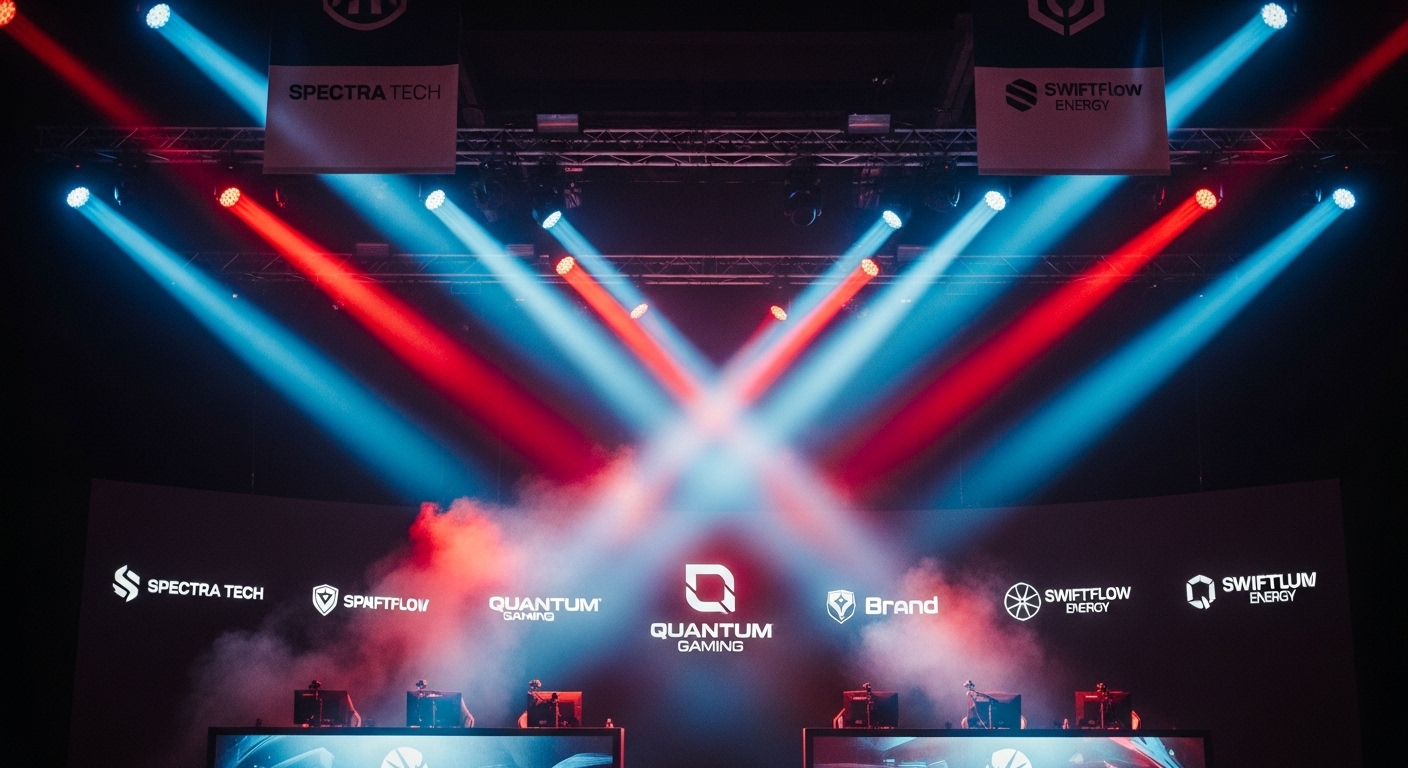
Esports, short for electronic sports, has transformed from a niche hobby into a global phenomenon. What was once a pastime for small communities of gamers has grown into a billion-dollar industry, attracting millions of fans worldwide. This explosive growth is a testament not only to the advancement of technology but also to the evolving cultural landscape, where digital experiences now hold as much weight as traditional sports.
The History of Competitive Gaming
The roots of esports can be traced back to the 1970s and 1980s, when arcade games like Space Invaders and Pac-Man first captured the imagination of young players. By the 1990s, competitive gaming tournaments started to emerge, often organized at local arcades or colleges. Titles such as Street Fighter and StarCraft became staples of early competitive gaming, and players began to be recognized for their skill and strategic thinking.
The launch of broadband internet in the late 1990s and early 2000s revolutionized esports. Online multiplayer games allowed players from different regions to compete in real-time, leading to the creation of structured leagues and tournaments. South Korea, in particular, became a hub for competitive gaming, with StarCraft: Brood War driving a professional esports culture that would inspire the global community.
Popular Esports Titles and Genres
Esports encompasses a variety of genres, each offering unique gameplay mechanics and competitive dynamics. Multiplayer online battle arenas (MOBAs), first-person shooters (FPS), real-time strategy games (RTS), and sports simulations dominate the professional scene.
Games like League of Legends, Dota 2, and Heroes of the Storm fall under the MOBA category. These games require teamwork, strategy, and quick decision-making. Meanwhile, FPS games such as Counter-Strike: Global Offensive, Call of Duty, and Valorant focus on precision, reflexes, and tactical coordination.
Sports simulations like FIFA and NBA 2K bridge the gap between traditional sports and digital gaming, offering fans an interactive way to engage with their favorite sports franchises. Meanwhile, RTS games like StarCraft and Age of Empires challenge players with complex strategy and resource management, testing both their tactical skills and long-term planning.
The Professionalization of Esports
Esports has evolved into a professional career path for many players. Professional teams operate much like traditional sports franchises, with coaches, analysts, nutritionists, and dedicated training facilities. Organizations such as Cloud9, Fnatic, and Team Liquid have become household names within the gaming community, with players achieving celebrity status.
Tournaments now offer substantial prize pools, sometimes reaching millions of dollars. The Dota 2 International Championship, for example, regularly sets records for the largest prize pools in esports history. This level of financial reward not only motivates players but also draws attention from investors, sponsors, and mainstream media.
The Role of Streaming Platforms
Streaming platforms have been pivotal in the rise of esports. Platforms like Twitch, YouTube Gaming, and Facebook Gaming allow fans to watch live gameplay, follow their favorite players, and engage in real-time discussions. Streaming has transformed esports into a spectator sport, making it accessible to a global audience regardless of geographical boundaries.
These platforms also provide opportunities for amateur players to gain recognition and build personal brands. Some players have transitioned from casual streamers to professional esports competitors, highlighting the blurred lines between content creation and competitive gaming.
Esports and Mainstream Culture
Esports is no longer confined to gaming communities; it has permeated mainstream culture. Celebrities and traditional sports figures are increasingly involved in esports, either as investors or enthusiasts. Fashion brands, music artists, and entertainment companies collaborate with esports teams and events, creating crossover appeal that attracts diverse audiences.
Moreover, universities and colleges now offer scholarships for esports athletes, recognizing the discipline, teamwork, and strategic thinking involved in competitive gaming. This formal acknowledgment mirrors the support traditionally given to sports programs, reinforcing esports’ legitimacy as a career and lifestyle.
The Impact of Technology on Esports
Advancements in technology have been integral to the growth of esports. High-speed internet, advanced graphics, and powerful gaming hardware enhance the competitive experience for both players and spectators. Virtual reality (VR) and augmented reality (AR) are beginning to influence esports, introducing new forms of gameplay and immersion.
Artificial intelligence (AI) also plays a growing role in esports. AI-driven analytics help teams optimize strategies, analyze opponents, and improve player performance. Machine learning algorithms track gameplay patterns, providing insights that were previously impossible to obtain, pushing the competitive boundaries even further.
Women in Esports
Historically, esports has been male-dominated, but the presence of women in competitive gaming is growing steadily. Female players, commentators, and content creators are gaining recognition, challenging stereotypes and inspiring more inclusive participation. Initiatives promoting diversity and inclusion within esports aim to create a balanced environment where talent is recognized regardless of gender.
Tournaments specifically designed for female competitors, as well as mixed-gender events, are helping normalize women’s involvement at all levels. This progress, though gradual, is crucial for ensuring the long-term sustainability and cultural legitimacy of esports.
The Economics of Esports
The economic impact of esports is substantial. Revenue streams include sponsorship deals, merchandise, ticket sales, broadcasting rights, and digital advertising. Companies recognize the value of engaging with esports audiences, which tend to be young, tech-savvy, and highly engaged.
Sponsorships often extend beyond gaming hardware and software to lifestyle brands, energy drinks, and even luxury goods. The esports economy has created not just opportunities for players but also for coaches, content creators, event organizers, and marketing professionals, fostering an entire ecosystem around competitive gaming.
Esports as a Global Phenomenon
Esports has a truly global reach, with thriving communities in North America, Europe, Asia, and beyond. Each region has developed unique competitive scenes shaped by cultural preferences and gaming trends. South Korea remains a powerhouse for FPS and RTS games, while China dominates the MOBA scene with titles like Honor of Kings and League of Legends.
International tournaments bring together teams from multiple continents, fostering cross-cultural exchange and camaraderie among players and fans. The global nature of esports exemplifies how digital platforms can bridge geographic divides, creating a shared passion that transcends borders.
The Future of Esports
Looking ahead, esports is poised for continued growth and evolution. Emerging technologies such as cloud gaming, 5G connectivity, and VR/AR will expand accessibility and redefine gameplay experiences. New game genres may rise to prominence, and esports could become increasingly integrated with traditional sports, entertainment, and educational platforms.
As esports matures, issues like player welfare, mental health, and fair competition will take center stage. The establishment of governing bodies and standardized regulations may become necessary to maintain integrity and sustainability within the industry.
Conclusion
Esports is more than just a digital pastime; it is a cultural movement, an economic powerhouse, and a professional opportunity. From humble beginnings in arcades to billion-dollar tournaments and global recognition, esports represents the intersection of technology, entertainment, and human creativity. Its impact continues to grow, shaping the way we play, watch, and interact in the digital age. Whether you are a casual fan, a professional competitor, or simply curious about the phenomenon, the world of esports offers endless opportunities to engage, learn, and thrive.


