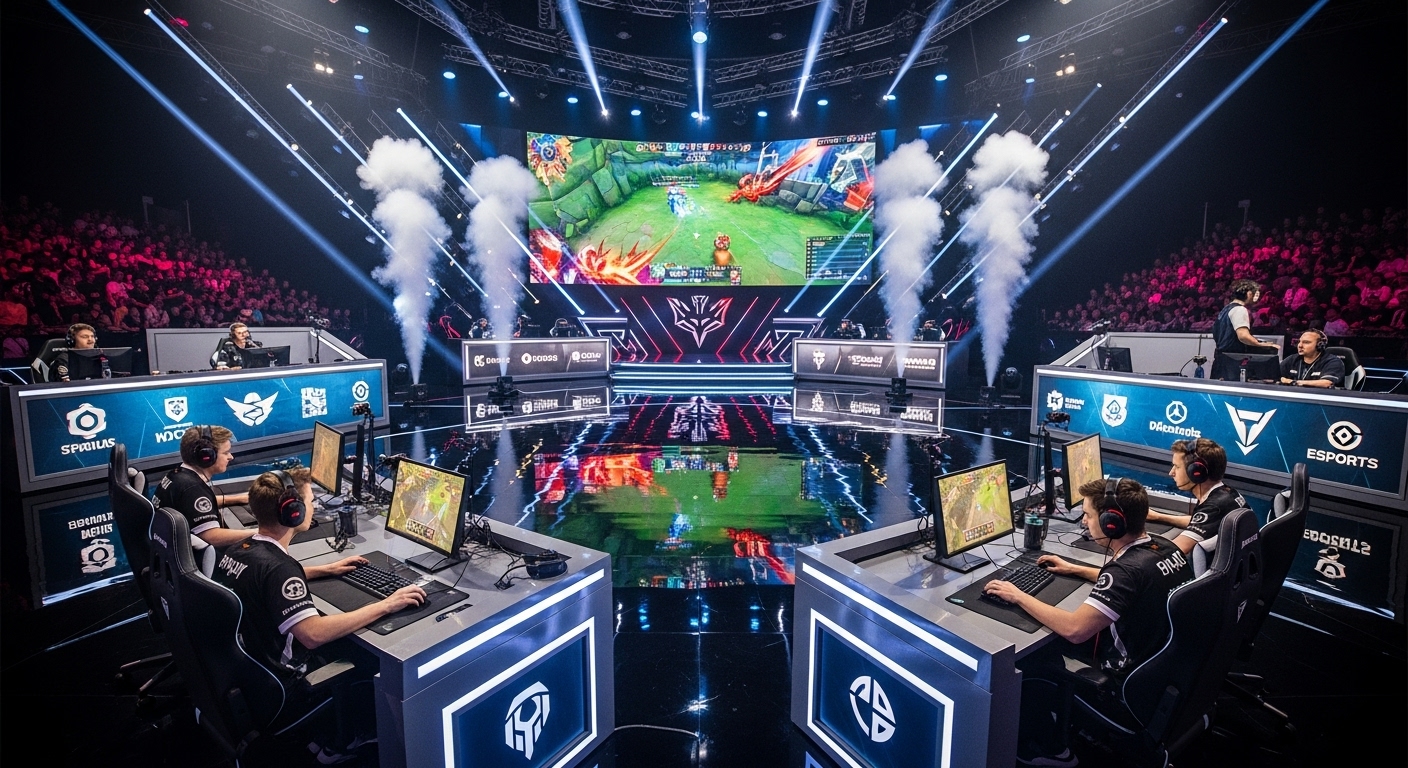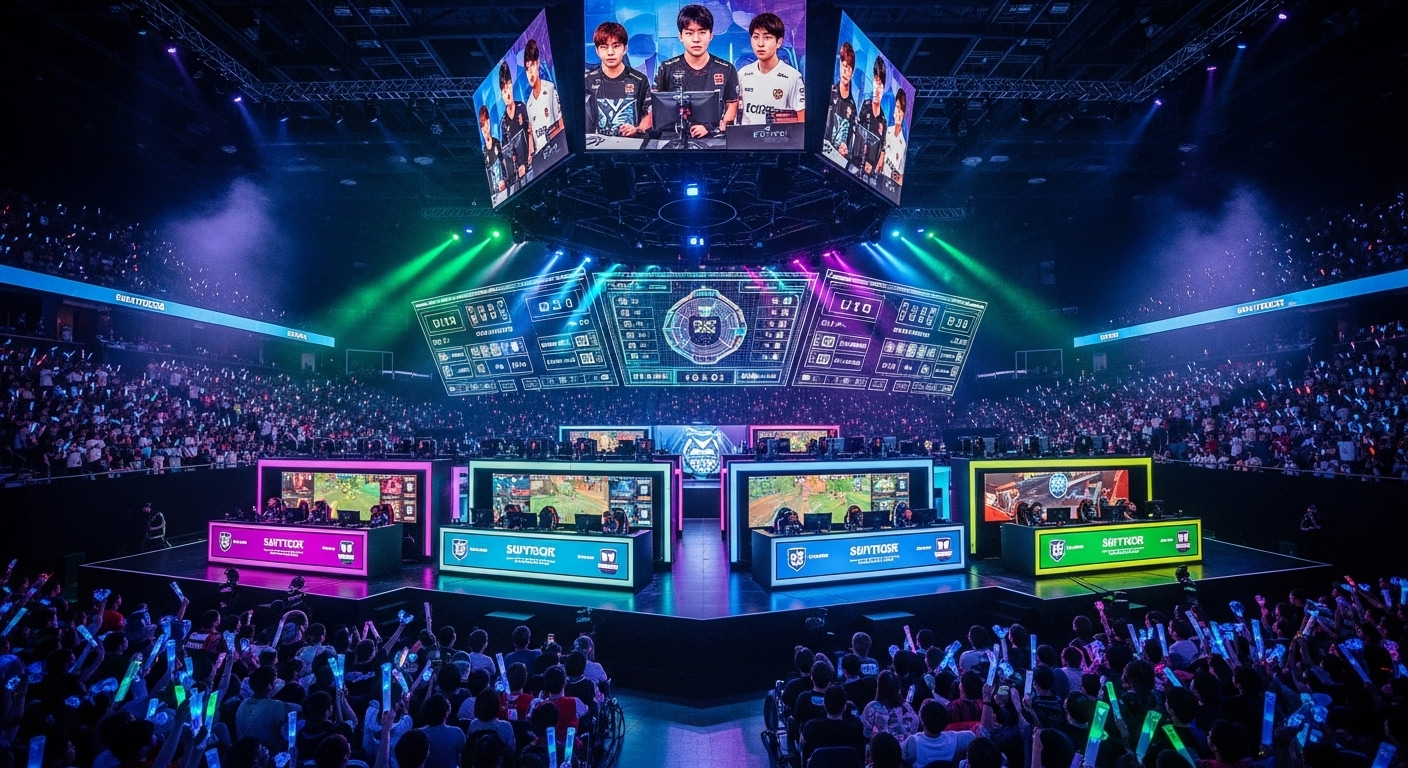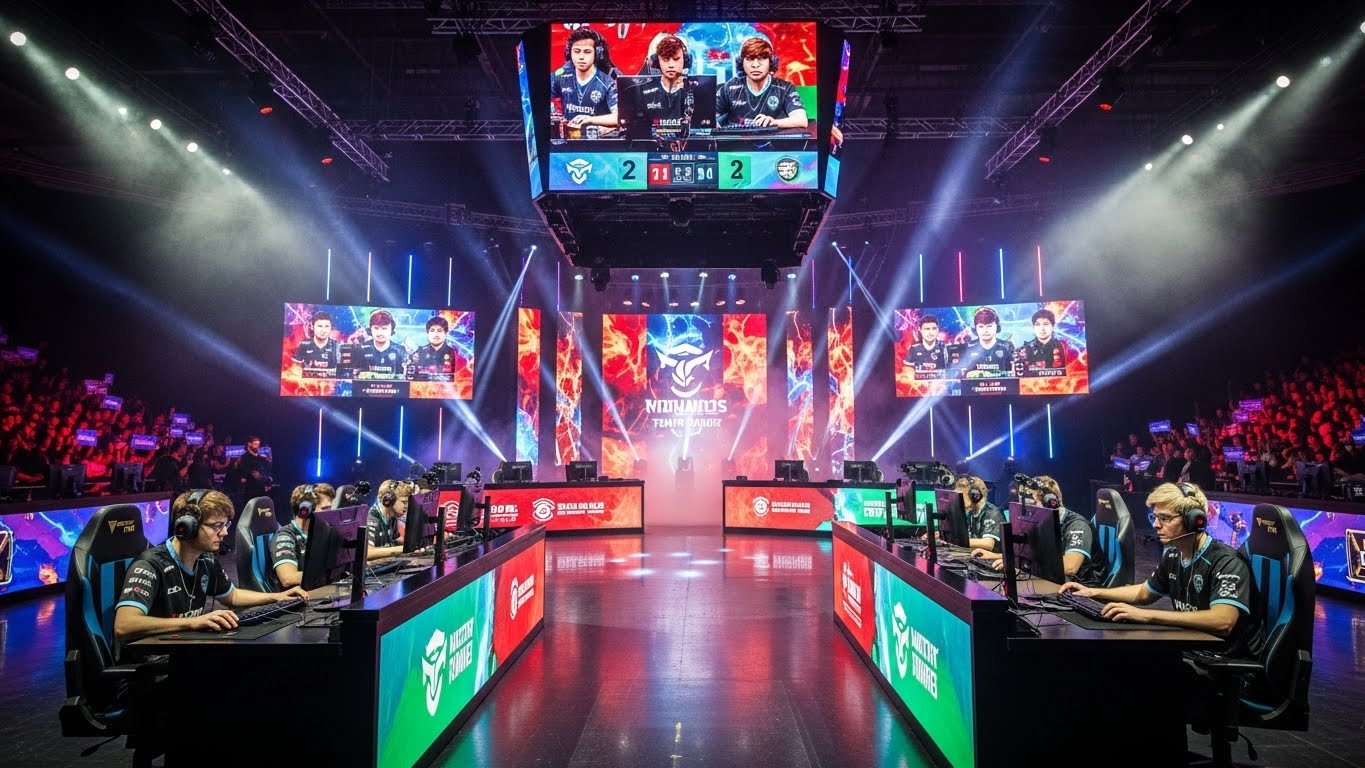
Esports, or electronic sports, is no longer just a hobby for gamers or a niche interest for a select few. Over the last decade, esports has exploded into a global phenomenon, evolving from casual competitions to a booming industry worth billions of dollars. What once started as a small-scale hobby, with players gathering in local arcades or LAN parties to compete, has transformed into a global spectacle with professional leagues, massive sponsorships, streaming platforms, and a dedicated fanbase that rivals traditional sports. Esports, with its high stakes and growing appeal, is fundamentally changing the landscape of competitive entertainment. But how did it all happen, and where is it going?
The Origins and Growth of Esports
Esports traces its roots back to the 1970s and 1980s, when early video games were first being played competitively. The first documented esports tournament was held in 1972 at Stanford University, where students competed in a game called Spacewar. Although it was small and informal, it sparked the idea that video games could be played for more than just entertainment. Fast forward to the 1990s, and the first online gaming competitions were born. Games like Quake, Starcraft, and Warcraft were popular in the competitive gaming scene, particularly in South Korea, where a dedicated esports culture began to take form.
However, it wasn’t until the early 2000s that esports began to find mainstream recognition. The launch of broadband internet, online gaming platforms like Battle.net, and the increasing popularity of games such as Counter-Strike and League of Legends helped propel esports into the global spotlight. The early 2010s saw the rise of esports organizations, tournaments, and even television broadcasts dedicated to gaming, leading to an explosion of interest.
Esports’ key turning point came in 2013 when major events like The International for Dota 2 and the League of Legends World Championship began offering multi-million-dollar prize pools. Suddenly, gaming was not just a casual pastime but a career path. By 2018, the global esports industry was valued at over $1 billion, and it has continued to grow exponentially since then.
Why Esports is So Popular
Esports’ popularity can be attributed to several factors that make it uniquely appealing to both participants and fans alike. One of the biggest draws is the accessibility. Video games are incredibly accessible to people around the world, regardless of geographic location or financial background. With the advent of free-to-play games like League of Legends and Fortnite, players can enjoy world-class experiences without needing expensive equipment or the latest consoles.
Another major factor is the digital nature of esports. Unlike traditional sports, which are restricted by physical locations and time zones, esports competitions can be broadcast globally in real-time. This creates a level of convenience and accessibility for fans who can tune in to live streams from anywhere. Streaming platforms like Twitch, YouTube Gaming, and Facebook Gaming have become central to the esports ecosystem, offering players, teams, and brands an easy way to reach fans and viewers from around the world.
Moreover, esports taps into the growing interest in gaming culture, where fans of popular games form tight-knit communities online. Whether it’s League of Legends, Fortnite, Valorant, or Call of Duty, each game has its own dedicated fanbase, content creators, and competitive scene. This sense of community encourages fan engagement, where viewers not only watch but also actively participate in the conversation, creating a social experience around the games they love.
The Professionalization of Esports
As esports became more popular, it also became more professionalized. The landscape of competitive gaming saw the emergence of organized leagues, franchises, and teams. Just like traditional sports, esports began to adopt a structure where top-tier players signed contracts with esports organizations, participated in regular tournaments, and had access to sponsorships, coaching, and training facilities.
The rise of esports organizations has been instrumental in the growth of the industry. Big names like Cloud9, Team Liquid, Fnatic, and G2 Esports have established themselves as leading brands in the esports ecosystem. These organizations have recruited talented players from around the world and built multi-million-dollar businesses around their teams. Professional esports players, once considered amateurs, now have salaries, endorsements, and other lucrative opportunities that mirror those of athletes in traditional sports.
The increased investment in esports organizations has also led to the growth of esports venues. The League of Legends World Championship, for example, has been held in iconic arenas, such as the Staples Center in Los Angeles, and has attracted tens of thousands of fans in person, with millions more tuning in online. Additionally, the rise of esports as a spectator event has led to the creation of arenas specifically designed for esports events, like the Esports Stadium Arlington in Texas and the HyperX Esports Arena in Las Vegas.
The Role of Sponsorships and Big Brands
One of the driving forces behind the rapid rise of esports is the involvement of major brands and corporations. Sponsorships from companies like Coca-Cola, Intel, Red Bull, Mercedes-Benz, and even Louis Vuitton have flooded the esports market, injecting capital into events, tournaments, and teams. These partnerships have allowed esports organizations to offer bigger prize pools, improve their broadcasting efforts, and provide more opportunities for aspiring players to turn professional.
The involvement of big brands has also led to the mainstreaming of esports. In the past, gaming was often seen as a subculture or niche interest. However, with major corporations investing in esports, the line between gaming culture and mainstream entertainment has blurred. Major television networks like ESPN and TBS have broadcasted esports tournaments, and esports has even been considered for inclusion in the Olympics. The increasing corporate interest further solidifies the idea that esports is here to stay.
The Future of Esports
While esports is already a multi-billion-dollar industry, its future looks even brighter. A growing number of colleges and universities are offering scholarships for esports players, which is bringing more talent into the scene. In fact, many students now see esports as a viable career option, with collegiate leagues and professional scouts looking to identify new stars in the making.
Additionally, advancements in virtual reality (VR) and augmented reality (AR) could transform the way esports is played and consumed. Imagine a future where players are not confined to screens, but instead participate in immersive, real-time VR worlds where they physically interact with their environment. This could change the very nature of competitive gaming and create new opportunities for both players and spectators alike.
The integration of esports with traditional sports could also lead to new opportunities. Games like FIFA and NBA 2K have already created competitive leagues based on real-life sports, while Formula 1 and NASCAR have introduced esports racing leagues. In the future, it’s possible that esports could be integrated into other major sports events, with virtual and real-world sports intersecting in ways that haven’t been fully explored yet.
Lastly, mobile gaming is on the rise, and the impact of mobile esports cannot be overlooked. With the proliferation of smartphones and tablets, games like PUBG Mobile and Mobile Legends have grown into major esports titles in their own right. As mobile technology improves, mobile esports could soon rival or even surpass traditional PC and console esports in terms of viewership and prize money.
The Challenges of Esports
Despite its rapid rise, esports does face a few challenges. One of the primary concerns is the mental and physical health of players. Esports athletes often spend hours a day training and competing, which can lead to burnout, repetitive stress injuries, and mental health issues such as anxiety and depression. Just like traditional athletes, esports players need to manage their physical and mental well-being in order to perform at their best.
Another issue is the lack of regulation and standardization across the industry. Unlike traditional sports, esports is still a relatively new industry with little governing authority. As a result, issues such as cheating, match-fixing, and the exploitation of players can sometimes go unchecked. Establishing more comprehensive regulations and creating a fair and ethical environment for players will be crucial to the long-term success of esports.
Conclusion
Esports is no longer just a trend; it is a global movement that is reshaping the world of competitive entertainment. From humble beginnings in arcades and basements to massive tournaments broadcasted to millions, esports has proven that video games are much more than just a pastime. The rise of professional leagues, streaming platforms, and brand partnerships has established esports as a legitimate form of sports entertainment, and its future is incredibly promising.
As esports continues to grow and evolve, its influence will only expand. The next decade may see esports become as mainstream as traditional sports, with millions of fans tuning in to watch their favorite players and teams compete for glory. Whether you’re a casual gamer or a hardcore fan, one thing is clear: esports is here to stay, and it’s poised to change the way we think about competition, entertainment, and sports in the digital age.