Introduction: The Emergence of Esports as a Cultural Phenomenon
Esports, a term once reserved for a small niche of passionate gamers, has exploded into a global cultural and economic force. Today, competitive video gaming, or esports, is a multi-billion-dollar industry with millions of dedicated fans, professional players, and a thriving ecosystem of sponsors, media rights, and teams. While esports was once considered a pastime for tech-savvy teens and introverted gamers, it has now become a global spectacle, often rivaling traditional sports in terms of viewership and audience engagement. The question is no longer whether esports is a fad; rather, it’s how deeply this phenomenon will integrate into the future of entertainment.
From humble beginnings in local LAN parties and arcade tournaments, esports has developed into a major industry that is reshaping how we think about competition, entertainment, and even careers. This blog will explore how esports evolved, the factors contributing to its success, and why it continues to captivate millions of people around the world.
The Early Days: From Arcade Games to Online Competitions
The roots of competitive gaming can be traced back to the 1970s when the first competitive video game tournaments began to emerge. The Space Invaders Championship held in 1980 is often cited as the first major esports event, attracting players from across the United States to compete for a $1,000 prize. While this early competition was modest, it laid the groundwork for the future of competitive gaming.
In the 1990s, the rise of arcade games like Street Fighter, Mortal Kombat, and Tekken introduced a competitive element to gaming, but it wasn’t until the advent of home gaming consoles and personal computers that online gaming tournaments began to take shape. The introduction of games like Quake and StarCraft allowed gamers to compete against each other over the internet, setting the stage for the global competitive gaming scene we know today.
South Korea played a crucial role in the development of esports. By the late 1990s, StarCraft became a national obsession, and the country’s TV networks began broadcasting StarCraft tournaments to a wide audience. This marked the first real glimpse of esports as a professional, televised event. Esports in South Korea quickly grew in popularity, and the country became the epicenter of competitive gaming, with professional teams and players becoming household names. This early success set the stage for esports to go global, with other countries soon following suit.
The Streaming Revolution: Bringing Esports to the Masses
In the 2000s, the next major milestone for esports came with the rise of streaming platforms. While competitive gaming had existed for years, it was often limited to a small, niche audience. Streaming platforms like Twitch, which launched in 2011, revolutionized the way fans could watch and engage with esports. Twitch allowed gamers to broadcast their gameplay live, enabling fans to watch professional players compete in real-time from anywhere in the world.
Twitch’s impact on esports was immense. It democratized access to esports content, allowing viewers to tune in to high-stakes tournaments and even casual gameplay sessions from their favorite streamers. The platform not only provided a place for fans to watch games but also allowed them to interact with players and fellow viewers through live chats, creating a unique and dynamic fan experience. This level of interactivity set esports apart from traditional sports, where fans are typically passive viewers.
The ability to stream live gameplay also opened up new career opportunities for players and content creators. Professional gamers were now able to build fanbases and monetize their streams through sponsorships, ad revenue, and donations. The rise of esports influencers—such as Ninja, Shroud, and PewDiePie—further solidified the importance of streaming platforms in the esports ecosystem. These streamers became celebrities in their own right, attracting millions of followers and establishing esports as a legitimate entertainment medium.
The Growth of Esports: Sponsorships, Prize Money, and Media Rights
Esports has become a multi-billion-dollar industry, driven by a variety of revenue streams. One of the largest contributors to the growth of esports has been sponsorships. Major global brands from various industries—such as tech, beverages, and apparel—have recognized the value of associating themselves with esports. Companies like Intel, Coca-Cola, Red Bull, and Nike sponsor major esports tournaments, teams, and events, helping to fund competitions and boost visibility.
Prize money has also played a significant role in the rise of esports. Some of the biggest tournaments, such as The International for Dota 2, feature prize pools that reach millions of dollars. The 2018 edition of The International boasted a prize pool of over $25 million, primarily funded by the Dota 2 community. Other popular esports titles, such as League of Legends and Counter-Strike: Global Offensive, also feature multi-million-dollar prize pools, attracting top-tier players from all over the world.
In addition to sponsorships and prize money, media rights have become another major revenue stream for esports. Just as traditional sports leagues sell the broadcasting rights to their games, esports tournaments now do the same. Major streaming platforms like Twitch and YouTube, as well as networks like ESPN, have all signed media rights deals to broadcast esports events. These media rights deals not only generate revenue but also help to expand the global reach of esports, bringing competitive gaming to an even larger audience.
The Rise of Professional Esports: Teams, Coaches, and Careers
Esports has evolved beyond casual competition into a highly professionalized industry. Just like traditional sports, esports now features organized teams, coaches, analysts, and support staff. Esports organizations like Team Liquid, Cloud9, and FaZe Clan recruit top players, provide coaching, and manage sponsorships and business operations. These organizations function much like traditional sports franchises, with dedicated team management and training staff.
Professional esports players now make a living from their competition, signing contracts with organizations that offer salaries, benefits, and opportunities for endorsement deals. In fact, some top esports athletes earn millions of dollars annually from their participation in tournaments, sponsorships, and streaming. As the level of competition in esports has increased, so too has the professionalism required to succeed. Players spend hours each day practicing, studying game strategies, and analyzing opponents. Just like athletes in traditional sports, esports players need to be in peak physical and mental condition to perform at the highest level.
Coaching and analysis have also become essential components of professional esports. As teams become more competitive, they employ coaches and analysts to help refine strategies, improve individual skills, and optimize team performance. Esports coaching is a highly specialized field, requiring knowledge of the game, communication skills, and the ability to manage team dynamics. In fact, many esports organizations now offer coaching and training programs to develop the next generation of professional players.
The Esports Spectator Experience: A New Era of Entertainment
One of the key reasons for esports’ success is its ability to engage fans in new and innovative ways. Traditional sports offer limited interaction between fans and players, but esports allows for real-time engagement through live chats, social media, and fan-driven events. Fans can watch a game unfold live and interact with players and fellow viewers, creating a sense of community and involvement that is unique to esports.
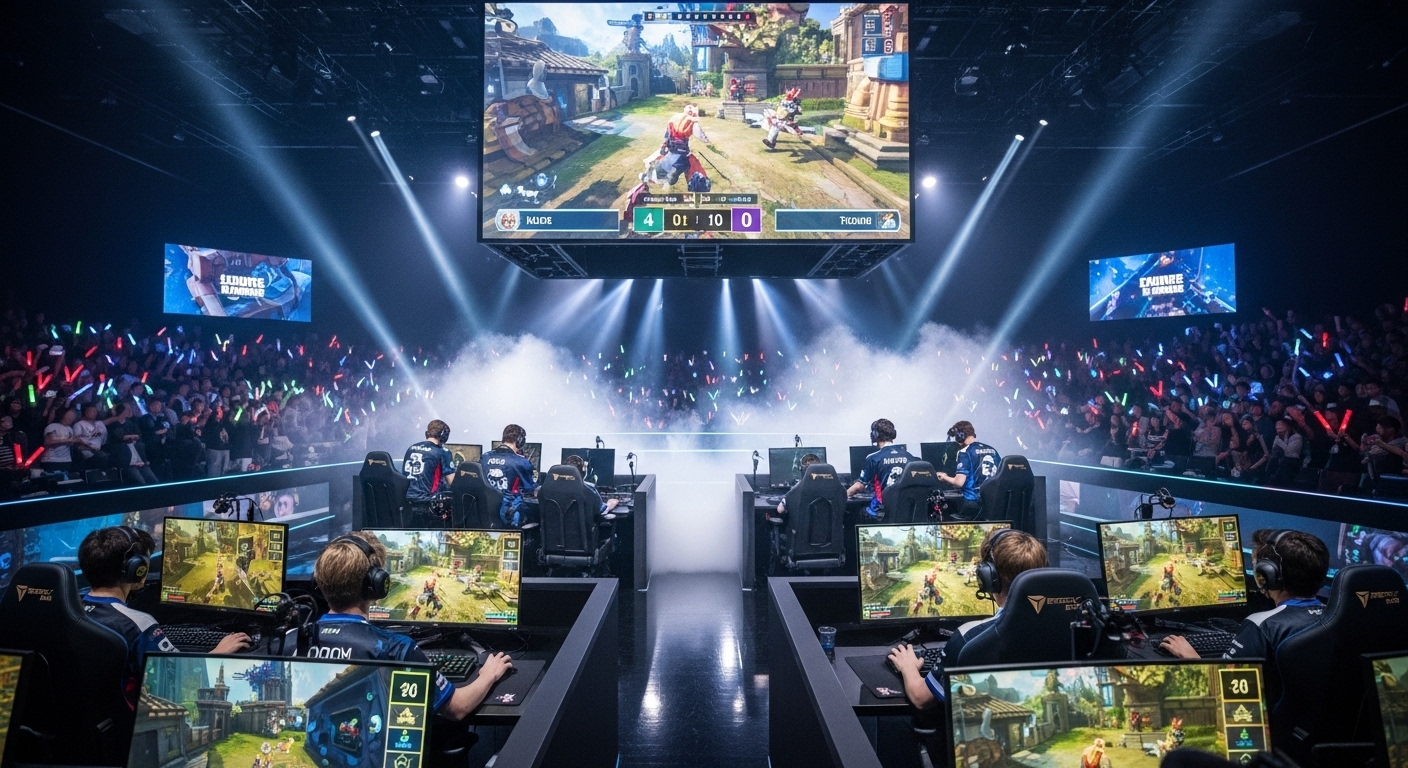
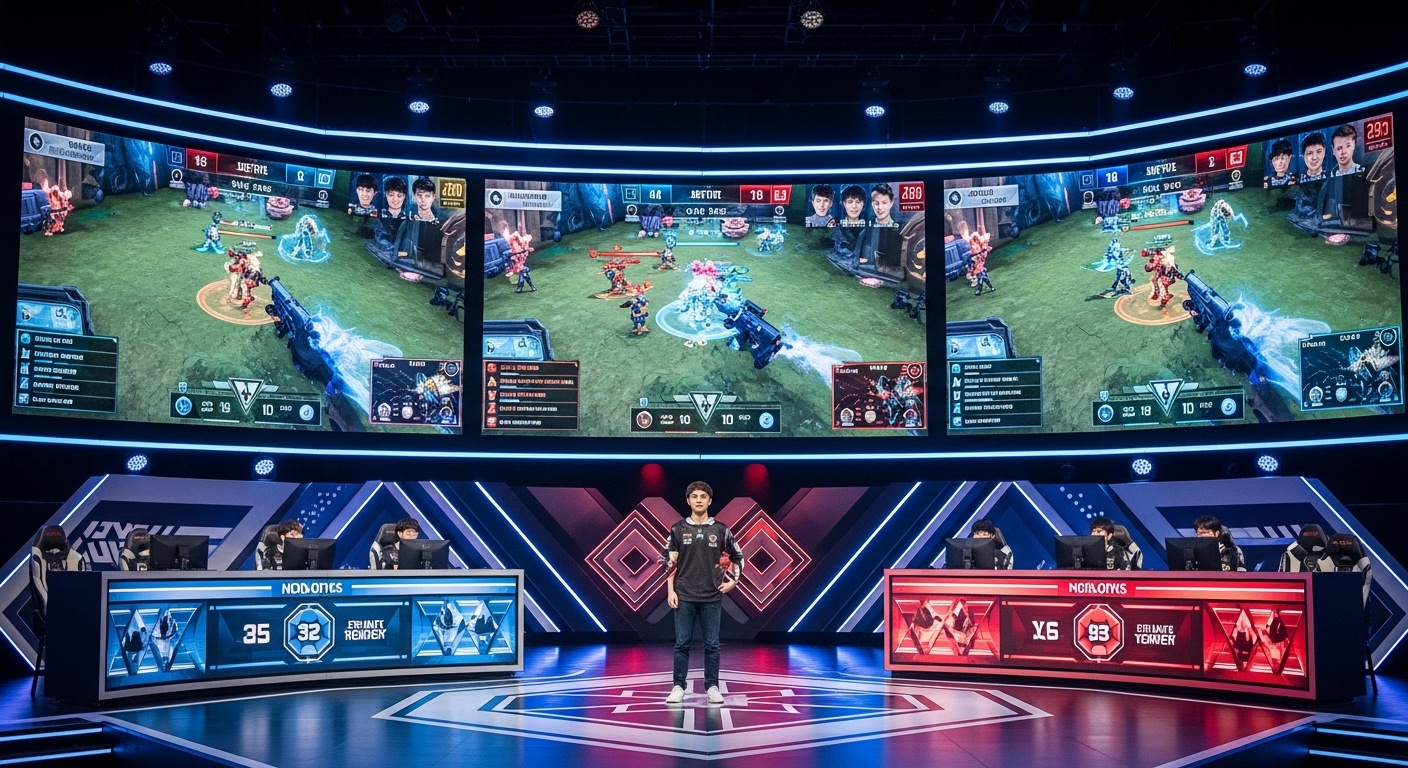
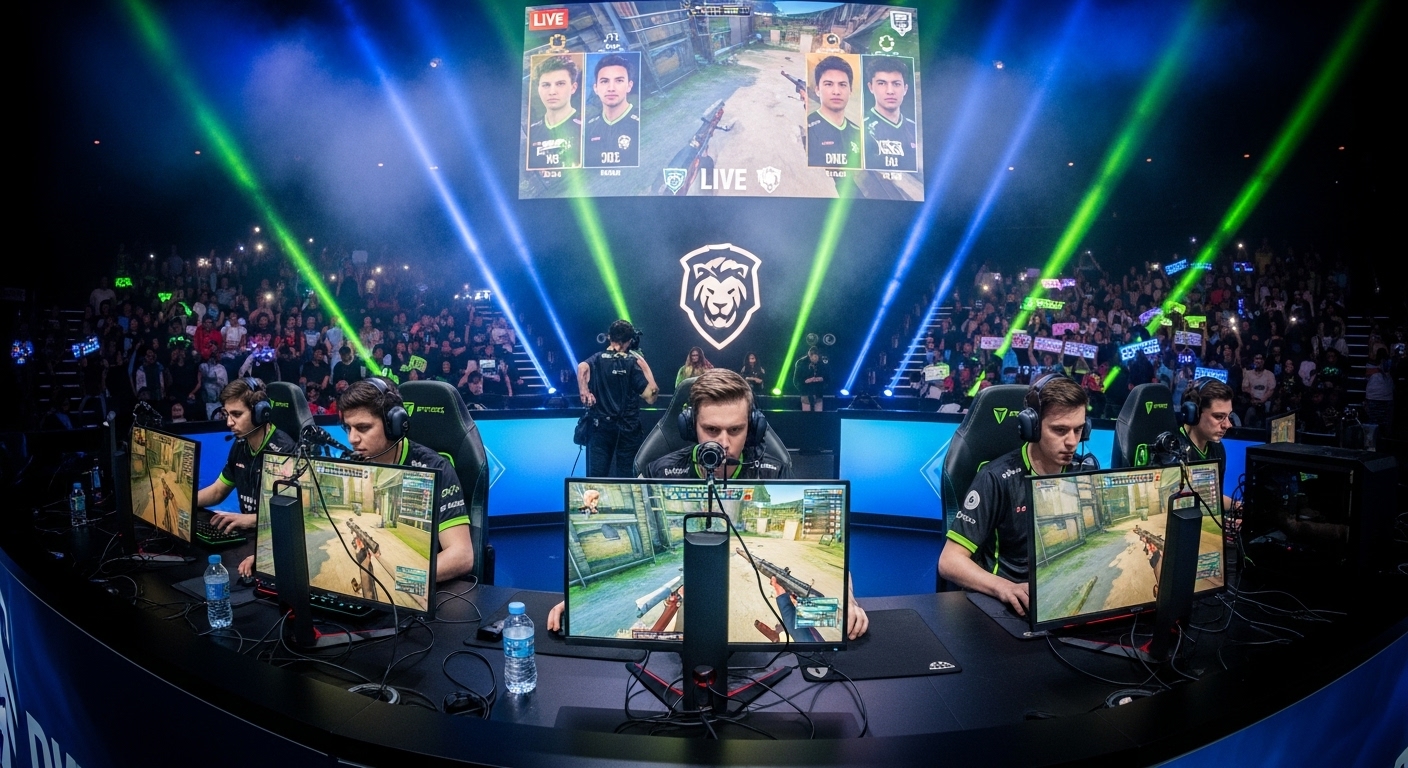
The spectator experience in esports is further enhanced by the high level of production value in major tournaments. Esports events are often held in large arenas or broadcast from studio settings, featuring high-quality graphics, live commentary, and special effects. These events are designed to be visually exciting and engaging, making them feel like a live concert or theater performance. The atmosphere in the arena is electric, with fans cheering for their favorite teams and players, creating an environment that rivals traditional sports events.
Esports has also become more accessible than ever before. Fans no longer need to be in the same location as the tournament to watch the action. Streaming platforms like Twitch, YouTube, and Facebook provide live access to major events, making it possible for fans to tune in from anywhere in the world. The ability to watch esports on mobile devices, PCs, and smart TVs has helped esports become a truly global phenomenon, attracting fans from every corner of the world.
The Social Impact of Esports: Community, Identity, and Inclusion
Esports has had a significant social impact, particularly among younger generations. The rise of online multiplayer gaming has created a unique environment for players to connect, collaborate, and compete with others from across the globe. This sense of community is one of the key elements that make esports so appealing. Fans and players form lasting friendships, share experiences, and participate in discussions about their favorite games, teams, and players.
Esports also provides an opportunity for social mobility. Many players who start out as casual gamers have been able to turn their passion into a full-time career, earning sponsorships, prizes, and salaries. This democratization of opportunity has led to a rise in diverse voices and backgrounds within esports, breaking down barriers related to gender, race, and socio-economic status. Female gamers and players from marginalized communities are increasingly represented in the professional esports space, helping to challenge stereotypes and promote inclusivity.
In addition to its cultural impact, esports has also made significant contributions to charitable causes. Many esports events and players actively support charitable initiatives, whether by donating prize money, hosting charity streams, or using their platform to raise awareness for social issues. This emphasis on philanthropy has helped improve the public perception of esports, showing that it can be a force for good in the world.
The Future of Esports: Innovation and Global Expansion
The future of esports looks incredibly promising. With the continued rise of mobile gaming, the esports industry is set to expand into new markets, particularly in regions like Africa, Latin America, and the Middle East.