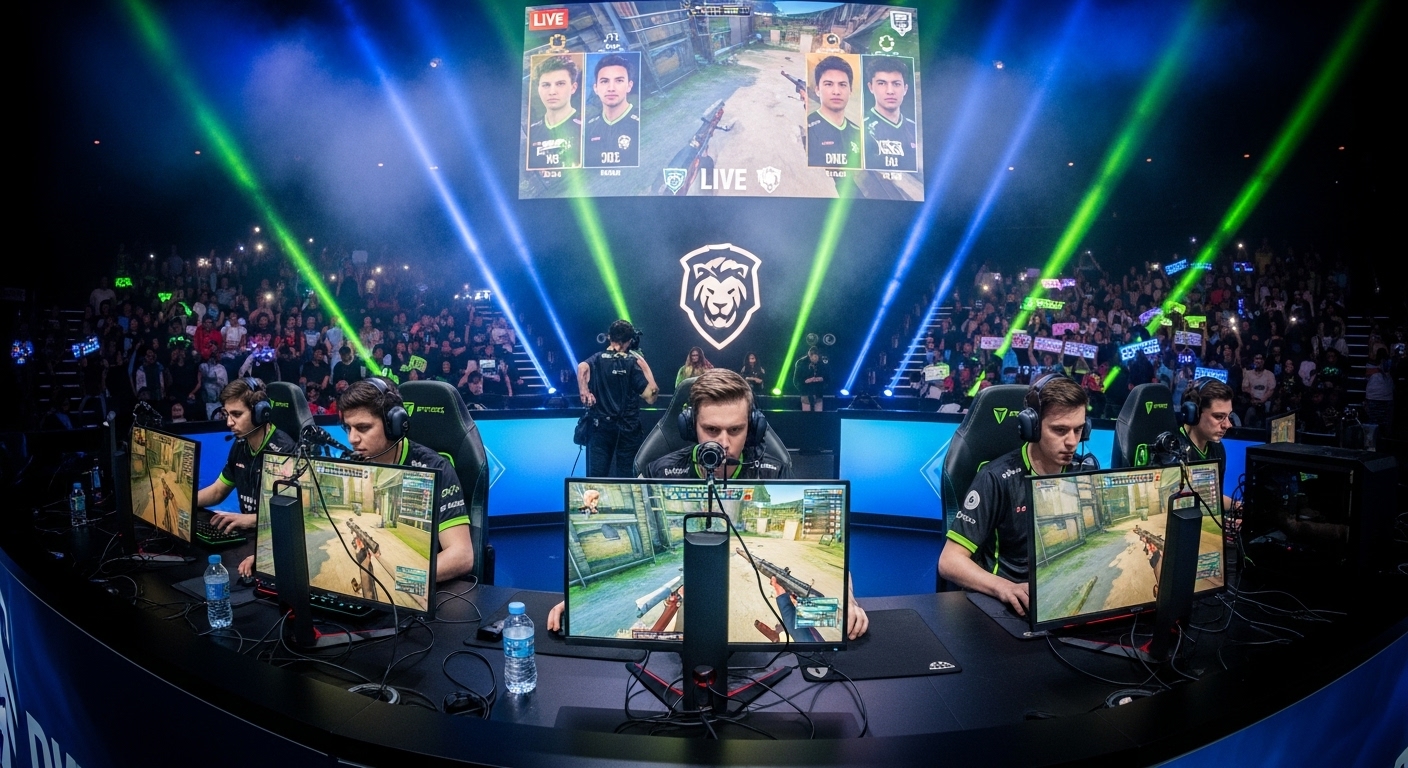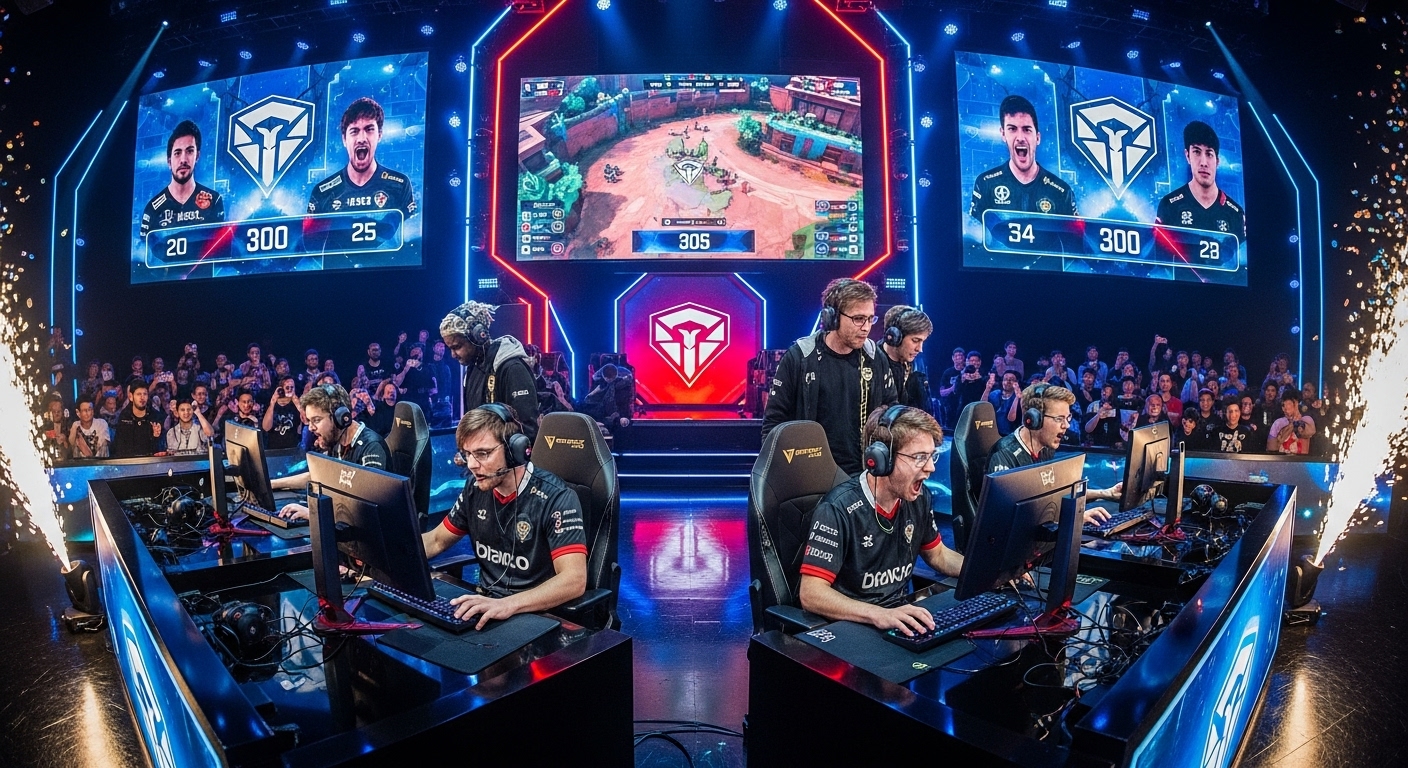
Esports has become a multi-billion dollar industry, captivating millions of fans, players, and organizations worldwide. What started as a niche hobby for a small group of gamers has transformed into a global phenomenon, with professional teams, large-scale tournaments, streaming platforms, and a massive fan base. This blog will explore the journey of esports, how it evolved from its humble beginnings to the massive industry it is today, and what the future holds for this ever-growing realm.
The Humble Beginnings of Esports
The Birth of Competitive Gaming
In the early 1990s, the concept of competitive gaming began to emerge. However, at this time, it was still a far cry from what we now know as modern esports. The first major milestone in competitive gaming came with the release of arcade games like Street Fighter II, which encouraged players to compete against each other. But it wasn’t until the 1997 launch of Red Annihilation, a Quake tournament, that the foundations for esports were truly laid. The Red Annihilation tournament, organized by John Carmack, attracted players from around the globe, and the winner walked away with a Ferrari.
This event not only marked the first true competitive gaming tournament but also demonstrated the potential for esports as a professional endeavor. Although there were still limited opportunities for players to compete for significant prizes, it set a precedent for the future of esports tournaments and opened the door for online and offline competitions.
Early Esports Events and Communities
In the late 1990s and early 2000s, gaming communities began to form around competitive titles. Local LAN (Local Area Network) events became increasingly popular, and players gathered in person to participate in tournaments. StarCraft, Warcraft III, and Quake III Arena were some of the first games to receive attention in the competitive gaming scene, with titles like Counter-Strike also rising in prominence.
During this time, the competitive gaming scene was primarily grassroots. Many of these early events were small-scale, with limited viewership, but they helped to lay the foundation for the esports ecosystem. It was during this period that gaming clans, guilds, and teams started to form, and players began to view gaming as a more serious competitive endeavor.
The Rise of Professional Esports
Early Professional Organizations and Sponsorships
By the mid-2000s, esports began to take a more professional turn. Organizations such as Major League Gaming (MLG) and the World Cyber Games (WCG) emerged, providing structure and organization to competitive gaming. These events brought together the top players from around the world and offered significant cash prizes.
The growth of esports during this time also saw the emergence of sponsorships, with companies like Intel, Microsoft, and Coca-Cola entering the scene. Sponsorship deals provided teams and events with the funding necessary to grow and improve. As esports gained more attention, gaming publishers began to take notice, creating tournaments specifically designed to support their games.
Streaming and the Role of Twitch
One of the most significant changes in the esports landscape occurred in 2011 with the launch of Twitch. Twitch revolutionized how esports content was consumed by offering a platform for gamers to stream their gameplay live. Gamers could now broadcast their matches in real-time, allowing fans to watch their favorite players and teams compete from the comfort of their own homes.
Twitch’s growth coincided with the rise of League of Legends, which became one of the most popular esports titles of the time. League of Legends and other games like Dota 2 and Counter-Strike: Global Offensive attracted massive audiences and helped to establish streaming as a legitimate form of entertainment.
With the advent of Twitch and other streaming platforms, esports grew from a niche activity to a global phenomenon. In addition to offering live coverage of tournaments, Twitch allowed fans to engage with players, teams, and event organizers in real time. It also gave rise to esports personalities who became stars in their own right, building dedicated fanbases across the globe.
The Explosion of Esports and Its Global Impact
The Mainstreaming of Esports
As esports gained more visibility and viewership, it began to be recognized as a legitimate form of entertainment and competition. Major media outlets like ESPN started to cover esports events, further boosting its profile. Major esports tournaments began to attract massive audiences, both in-person and online, with events like The International (the world championship for Dota 2) reaching over 20 million viewers in 2018.
The industry also saw the rise of esports organizations and professional leagues, similar to traditional sports leagues. Games like Overwatch and Call of Duty introduced franchised leagues, where teams could compete in a set regular-season format, mirroring professional sports structures like the NBA or NFL.
By 2018, esports was valued at over a billion dollars, with millions of dollars in sponsorships, advertising, and prize money flowing into the industry. Brands, traditional sports teams, and even celebrities began to invest in esports, leading to an even larger global reach.
The Role of Social Media and Content Creation
The success of esports cannot be attributed solely to tournaments and professional leagues. Social media and content creation have played an essential role in shaping the esports ecosystem. Platforms like YouTube, Twitter, and Instagram provided gamers and organizations with an avenue to engage with their audiences outside of live streams.
Players and teams started creating their own content, including vlogs, highlights, and training videos, which helped grow their personal brands. YouTube became an essential platform for esports creators, with video game highlights, commentary, and analysis gaining significant viewership. Content creation extended to merchandise, fan clubs, and live interactions with followers, further strengthening the esports culture.
Esports personalities began to leverage their online presence to attract sponsorships and create new revenue streams. Players like Ninja (Tyler Blevins), PewDiePie, and Shroud became household names, with massive followings not just for their gaming skills but also for their personalities and content.
The Growth of Esports Teams and Sponsorships
The success of esports teams skyrocketed during the late 2010s, with organizations like Team Liquid, Cloud9, Fnatic, and SK Gaming gaining global recognition. These teams started to sign top-tier players, invest in coaching staffs, and create comprehensive training regimens.
Sponsorships played a crucial role in the growth of these organizations. As esports gained more legitimacy, large brands such as Intel, Monster Energy, and Audi began to sponsor teams, tournaments, and events. These sponsorships provided organizations with the financial support necessary to compete at the highest levels.
Additionally, the rise of team owners and investors brought more business expertise to the esports industry. Traditional sports owners, such as the owners of the New York Mets or the Dallas Cowboys, began to invest in esports organizations. This professionalization helped esports to grow beyond the grassroots level, creating a more sustainable and profitable business model.
Esports Today: A Multi-Billion Dollar Industry
The Continued Growth of Esports Leagues
Today, esports is a highly professionalized industry with leagues and tournaments spanning multiple continents and regions. From the Overwatch League to League of Legends’ annual World Championship, esports leagues have grown in complexity and scale. These leagues bring together the best players from around the world and offer huge prize pools, creating intense competition.
In addition to established games like League of Legends, newer titles like Valorant have entered the competitive scene, and companies like Riot Games, Blizzard Entertainment, and Valve continue to develop new games with esports in mind. These companies not only create the games but also organize and fund large-scale tournaments, ensuring that esports remains a central part of the gaming culture.
Esports leagues now feature high production values, with stadiums filled with thousands of spectators watching the action live. The broadcasts are polished with professional commentary, player interviews, and expert analysis. Esports has evolved into a major form of entertainment, with fans flocking to arenas and watching live streams to cheer on their favorite teams and players.
The Financial Boom
Esports is no longer just a hobby or a passion for a select few. It is a booming industry that has attracted investment from venture capitalists, traditional sports teams, and large tech companies. In 2020, the global esports industry was valued at over $1 billion, and it is projected to continue growing in the coming years.
Revenue sources for esports organizations include sponsorships, advertising, media rights, merchandise, and ticket sales. In addition, the rise of esports betting has also contributed to the industry’s financial growth. Esports betting has become a multi-million dollar market, with fans placing wagers on their favorite teams and players.
The Role of Streaming and Content Creation in Esports
Streaming remains one of the most important facets of esports today. Platforms like Twitch, YouTube Gaming, and Facebook Gaming have become the go-to places for fans to watch live broadcasts of tournaments and competitions. The global reach of these platforms allows players to build massive followings and connect with fans on a personal level.
In addition to streaming, content creation continues to play a central role in the esports ecosystem. Esports organizations and players alike create content across social media, including live streams, vlogs, and behind-the-scenes footage. The ability for players and fans to interact in real-time has been one of the driving factors in the growth of esports.
The Future of Esports
Expanding Global Reach
The global reach of esports continues to expand as more regions get involved in the competitive gaming scene. Asia, Europe, North America, and South America have long been dominant forces in esports, but new markets such as the Middle East and Africa are beginning to develop their own esports infrastructure.
Mobile esports, particularly in Asia, has been another area of significant growth. Games like PUBG Mobile and Free Fire have introduced esports to a new generation of players who may not have access to high-end gaming PCs or consoles. As mobile esports continues to rise, it will likely further drive the growth of esports in emerging markets.
The Integration of Virtual Reality and Augmented Reality
One of the most exciting aspects of the future of esports is the potential integration of virtual reality (VR) and augmented reality (AR). These technologies have the potential to revolutionize the way games are played and consumed. VR esports, where players compete in fully immersive virtual environments, could offer a new level of engagement for both players and spectators.
Augmented reality could enhance the spectator experience, allowing fans to interact with games in new ways. For example, AR could be used to display player stats, strategies, and game highlights during live tournaments, making the experience more engaging and informative.
Esports as a Mainstream Sport
As esports continues to grow, it is increasingly being treated as a mainstream sport. Many esports organizations have adopted professional structures, including team owners, coaches, analysts, and broadcasters. The level of professionalism within the esports scene is comparable to that of traditional sports leagues, and many esports players now make a living competing at the highest levels.
Esports is now considered by many to be on par with traditional sports, with its dedicated fanbase and professional structures. As the industry grows, it will continue to evolve and expand, potentially attracting even more investment and recognition from the global community.
Conclusion
Esports has come a long way since its early days, from small LAN parties to massive global events with millions of viewers. The industry has evolved into a multi-billion dollar ecosystem, attracting sponsors, investors, and players from around the world. With continued growth in streaming, mobile gaming, and emerging technologies like VR and AR, the future of esports looks bright. As the industry continues to mature, it is clear that esports will remain a significant force in the world of entertainment, competition, and digital culture for years to come.