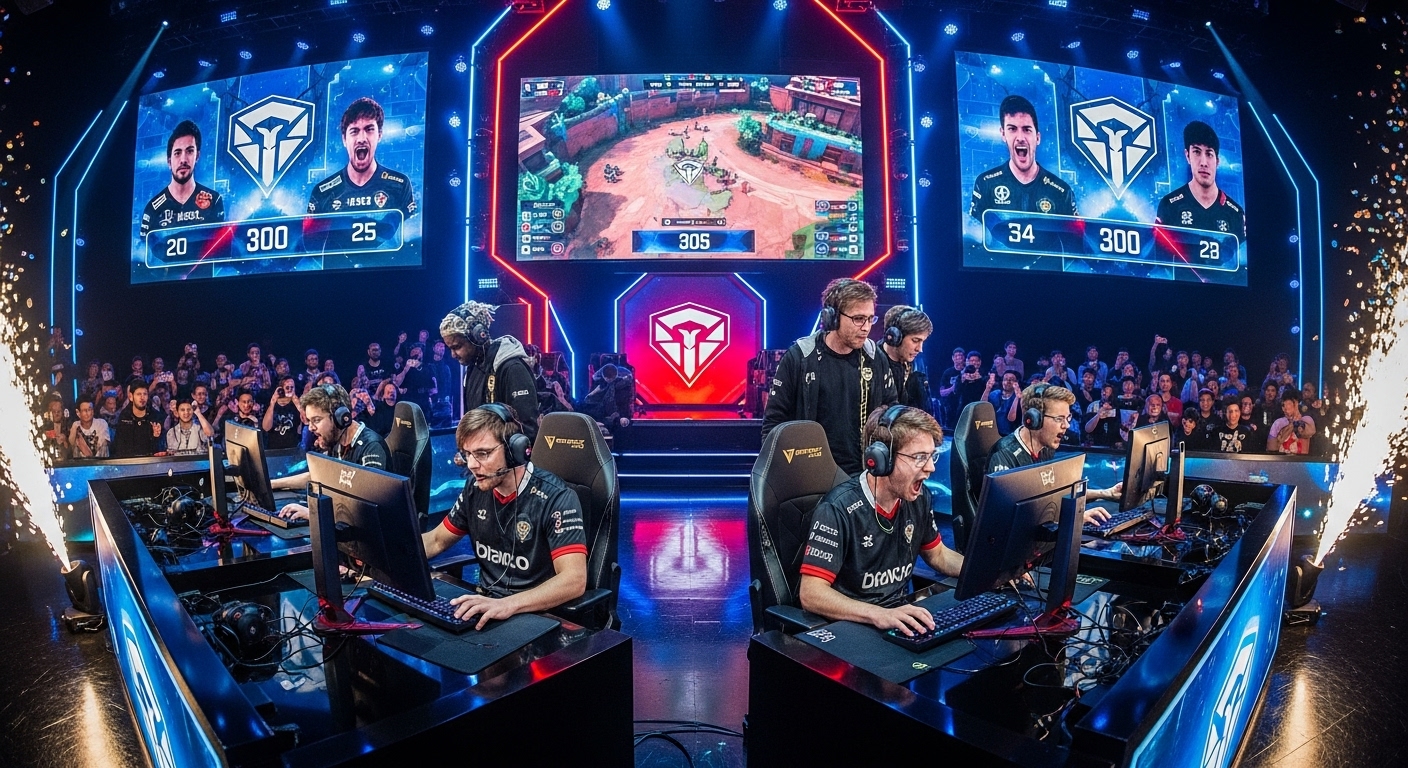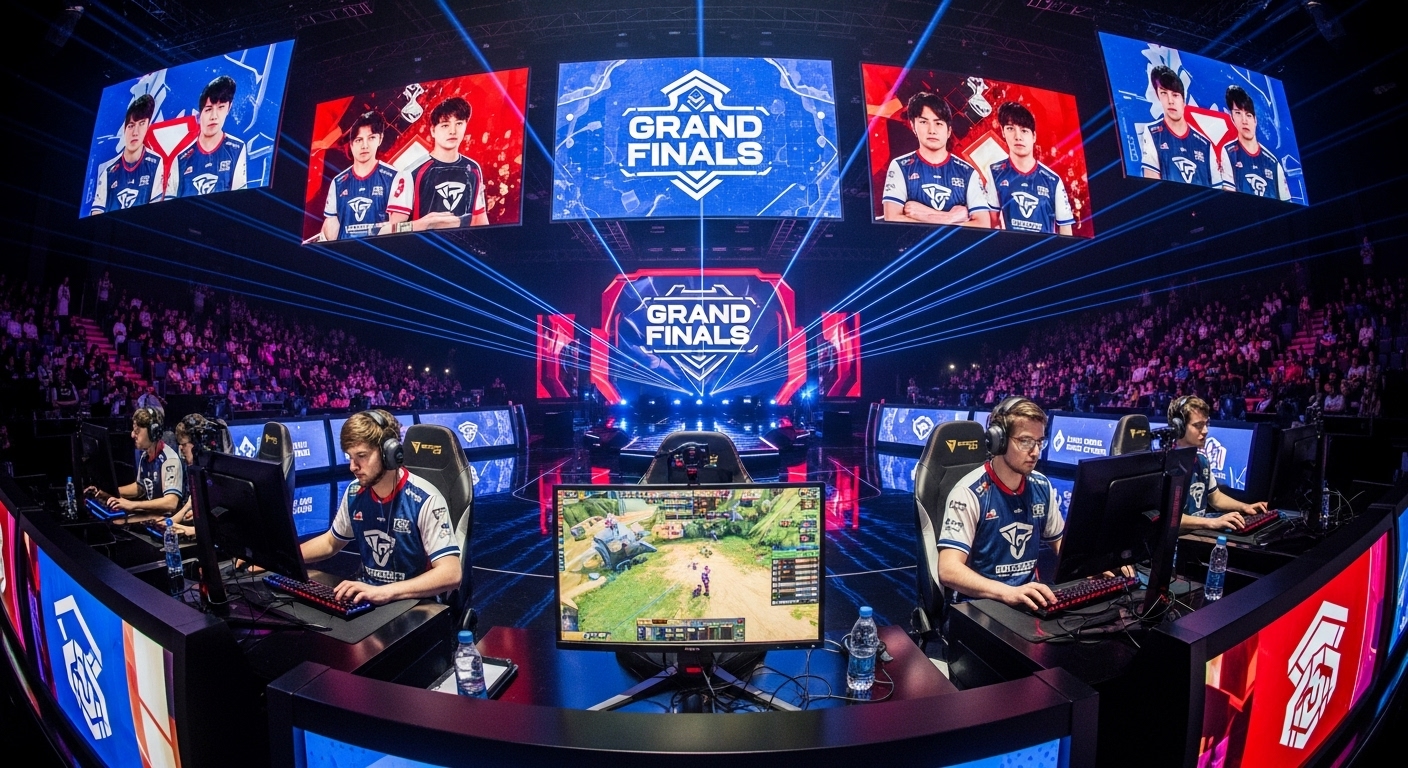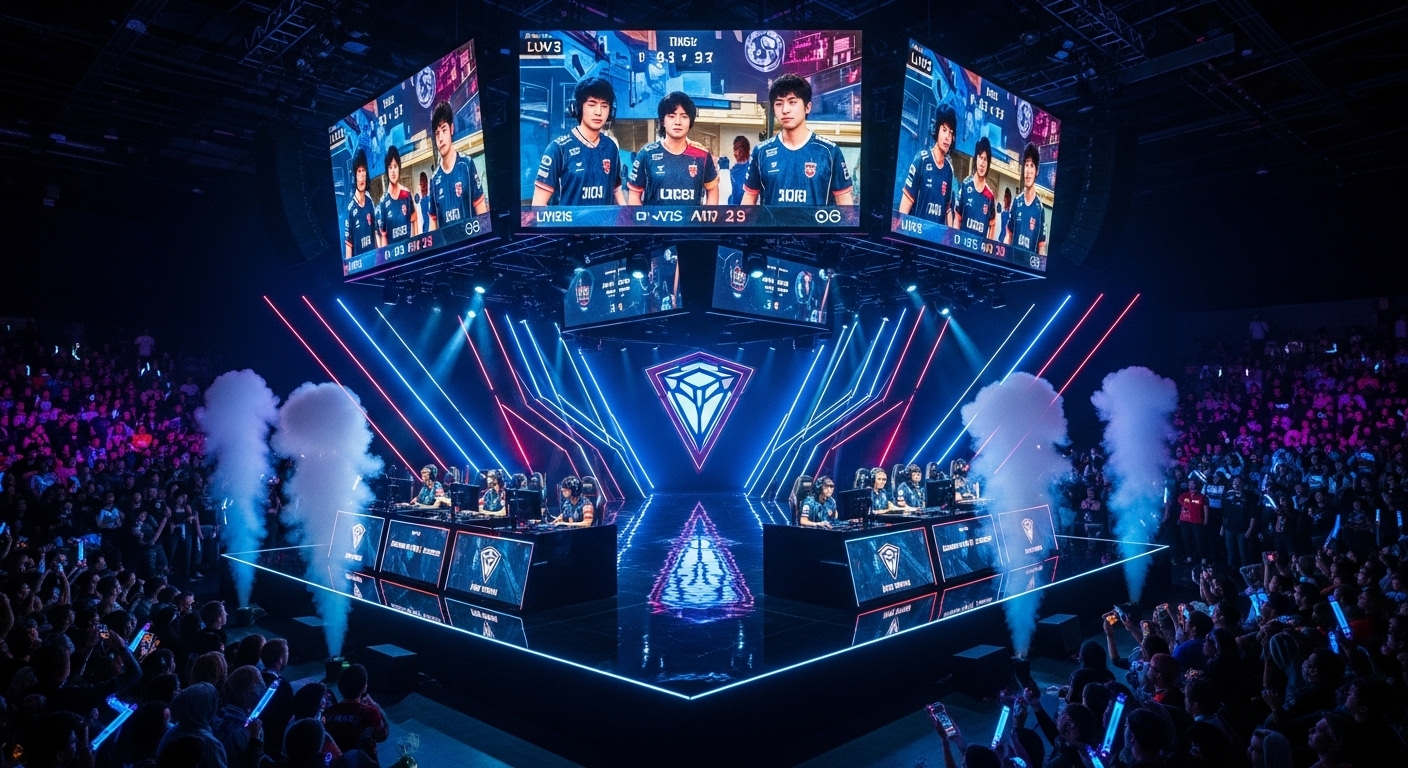
Esports is no longer just a niche interest or a hobby for a small subset of gamers. It has rapidly transformed into a global phenomenon that has captured the attention of millions worldwide. Competitive gaming, once seen as something reserved for the fringes of the internet, has now become a massive industry in its own right, drawing in players, fans, and even traditional sports organizations. From humble beginnings to a multi-billion dollar industry, esports has evolved into a powerful force in the entertainment world. This blog post will explore the journey of esports, its current standing, and what the future holds for this fast-growing sector.
What is Esports?
At its core, esports refers to organized, multiplayer video game competitions, typically between professional players, either individually or as teams. Esports encompasses a broad range of video games, but it is particularly focused on titles that require competitive skill, teamwork, and strategy. Games like League of Legends, Counter-Strike: Global Offensive, Dota 2, Fortnite, and Overwatch are some of the biggest names in the esports world, each with its own dedicated fan base and professional circuit.
Unlike casual gaming, which is typically for fun and recreation, esports involves high-level competition with professional players, coaches, analysts, and commentators. Esports tournaments often feature large prize pools, and the events themselves are broadcasted online, attracting millions of viewers. The esports ecosystem includes not just players but also teams, sponsors, event organizers, and media platforms. As a result, the industry has grown far beyond the game itself to become a complex, multi-faceted world of its own.
A Brief History of Esports
Esports did not develop overnight. The origins of competitive gaming can be traced back to the early days of video games. While formal esports events did not emerge until the late 1990s, competitive gaming has roots in the arcades of the 1980s. Games like Space Invaders and Pong were some of the first video games to host competitions. The concept of a competitive gaming event was popularized in 1980 with the Space Invaders Championship, which brought together the best players to compete for prizes. However, it wasn’t until the 1990s, with the advent of personal computers and online gaming, that esports began to take its modern form.
The first major milestone for esports came with the rise of LAN (Local Area Network) parties in the late 1990s. Games like Quake and StarCraft were among the first titles to foster competitive gaming communities that organized regular tournaments. These events allowed players to gather in the same physical location to compete against each other, and they began to draw the attention of fans. As the internet became more widespread in the early 2000s, online tournaments took off. Games like Warcraft III and Counter-Strike gave rise to some of the earliest professional esports teams and organizations.
The early 2000s also saw the creation of some of the first major esports tournaments, such as the World Cyber Games and the Electronic Sports World Cup. These events attracted a global audience, and esports started to take its first steps toward mainstream recognition. The major breakthrough for esports came with the creation of streaming platforms like Twitch in 2011. Twitch allowed esports events to be broadcasted live to an international audience, making competitive gaming accessible to anyone with an internet connection.
The Growth of Esports
By the mid-2010s, esports was no longer just a hobby for passionate gamers—it had become a legitimate, professional industry. The popularity of games like League of Legends, Dota 2, and Overwatch led to the formation of professional leagues with multimillion-dollar prize pools. Esports organizations, such as Cloud9, Fnatic, and Team Liquid, began to emerge, each fielding professional teams of players competing at the highest level.
The massive growth of esports can be attributed to several key factors. First and foremost, the rise of streaming platforms like Twitch, YouTube, and Facebook Gaming allowed esports events to reach a global audience. This made it possible for anyone, anywhere, to watch live broadcasts of their favorite games, often with thousands or even millions of viewers tuning in.
Sponsorship deals have also played a major role in the rise of esports. As the viewership of esports events grew, major brands began to recognize the value of targeting a young, engaged audience. Companies like Red Bull, Intel, Coca-Cola, and Nike began sponsoring esports teams, tournaments, and players, contributing to the financial growth of the industry.
Furthermore, the increasing recognition of esports as a legitimate form of entertainment has helped bring the industry into the mainstream. Major media outlets began to cover esports events, and some of the world’s biggest sports organizations, including the NBA and NFL, began to invest in esports teams and tournaments. Esports has also been included in traditional sporting events, such as the 2018 Asian Games, where it was featured as a demonstration sport.
Esports and Its Global Appeal
One of the most fascinating aspects of esports is its global appeal. Unlike traditional sports, which are often limited by geography and cultural boundaries, esports transcends national borders. People from all over the world can tune into an esports tournament and follow players and teams from different countries and regions. The most popular esports titles have international leagues and tournaments that feature players from a wide variety of countries, making it a truly global spectacle.
The accessibility of esports is another key factor in its worldwide appeal. Unlike traditional sports, which often require expensive equipment and physical space, esports only require a gaming console or computer and an internet connection. This means that anyone, anywhere, can get involved in competitive gaming, whether as a player, a fan, or a spectator. This accessibility has made esports particularly popular in regions where traditional sports infrastructure is lacking.
Esports has also gained popularity in countries that may not traditionally be known for sports dominance, such as South Korea, China, and Brazil. South Korea, in particular, is considered the birthplace of professional esports, and the country has developed a thriving esports culture. In fact, South Korea’s StarCraft leagues are among the most famous and prestigious in the world, and the country continues to be a major hub for esports talent.
The Esports Ecosystem
The esports ecosystem is vast and encompasses many different components. On the player side, professional gamers compete in tournaments, often playing for well-known organizations. These players are some of the most highly skilled in the world, dedicating countless hours to practicing and refining their abilities. Many professional players start their careers at a young age, sometimes beginning to compete in their teens.
Esports teams are often backed by large organizations that provide funding, management, and support. These organizations handle everything from recruitment and training to marketing and sponsorships. The structure of esports organizations often mirrors that of traditional sports teams, with players, coaches, analysts, and even psychologists working together to maximize performance.
Tournaments and events are another crucial part of the esports ecosystem. These can range from small local tournaments to massive global events like The International (the annual Dota 2 championship), which offers one of the largest prize pools in esports history. Major tournaments are often broadcast live on platforms like Twitch and YouTube, attracting millions of viewers. These events are also sponsored by major brands, who see them as an opportunity to reach a highly engaged and influential audience.
In addition to players, teams, and tournaments, there are also a variety of support roles within the esports industry. Coaches and analysts help teams prepare for competition, while commentators and streamers bring the excitement of esports to a global audience. The esports ecosystem also includes sponsors, who provide financial support for teams and events, and advertisers, who recognize the lucrative potential of reaching esports fans.
The Future of Esports
As esports continues to grow, its future looks bright. Here are a few key trends that could shape the future of the industry:
1. Esports in Education and Colleges
As esports becomes more mainstream, its presence in the educational system is expected to increase. Many universities and colleges now offer scholarships for esports athletes, and dedicated esports programs are becoming common at institutions around the world. This trend is likely to continue as esports is recognized as a legitimate career path for young people.
2. Increased Corporate Sponsorship and Investment
Corporate sponsorship and investment in esports are expected to grow even further. As more brands see the potential of esports, we can expect to see more partnerships with traditional companies, as well as new sponsorship deals with tech giants and non-endemic brands.
3. Mobile Gaming and Esports
With the rise of mobile gaming, esports on mobile platforms is set to become an increasingly important part of the ecosystem. Games like PUBG Mobile and Clash Royale have already established themselves in the competitive scene, and we can expect more mobile titles to be developed for esports tournaments.
4. Virtual Reality (VR) and Augmented Reality (AR)
As VR and AR technology advances, esports could see a major shift in the way it is played and watched. Virtual reality could provide more immersive gaming experiences, and augmented reality could bring new dimensions to live esports events. The integration of VR and AR into esports is still in its early stages, but the potential for innovation is immense.
Conclusion
Esports has come a long way since its humble beginnings, and its rapid rise is a testament to its growing appeal and staying power. From its roots in the arcades of the 1980s to becoming a global industry worth billions, esports has captured the attention of millions and shows no signs of slowing down. As technology continues to evolve and more people get involved in competitive gaming, esports will continue to redefine the entertainment landscape, bridging the gap between digital and traditional forms of competition.