Introduction: The Rise of a Global Phenomenon
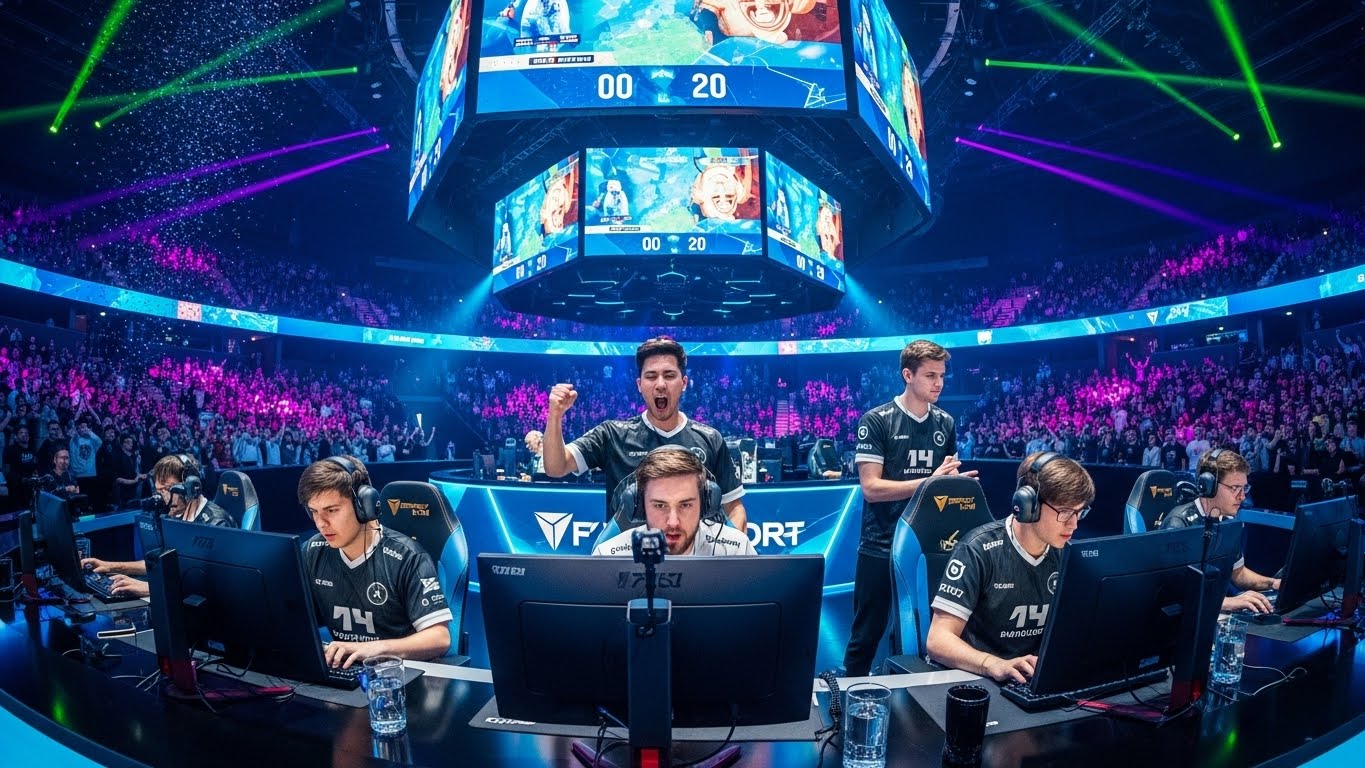
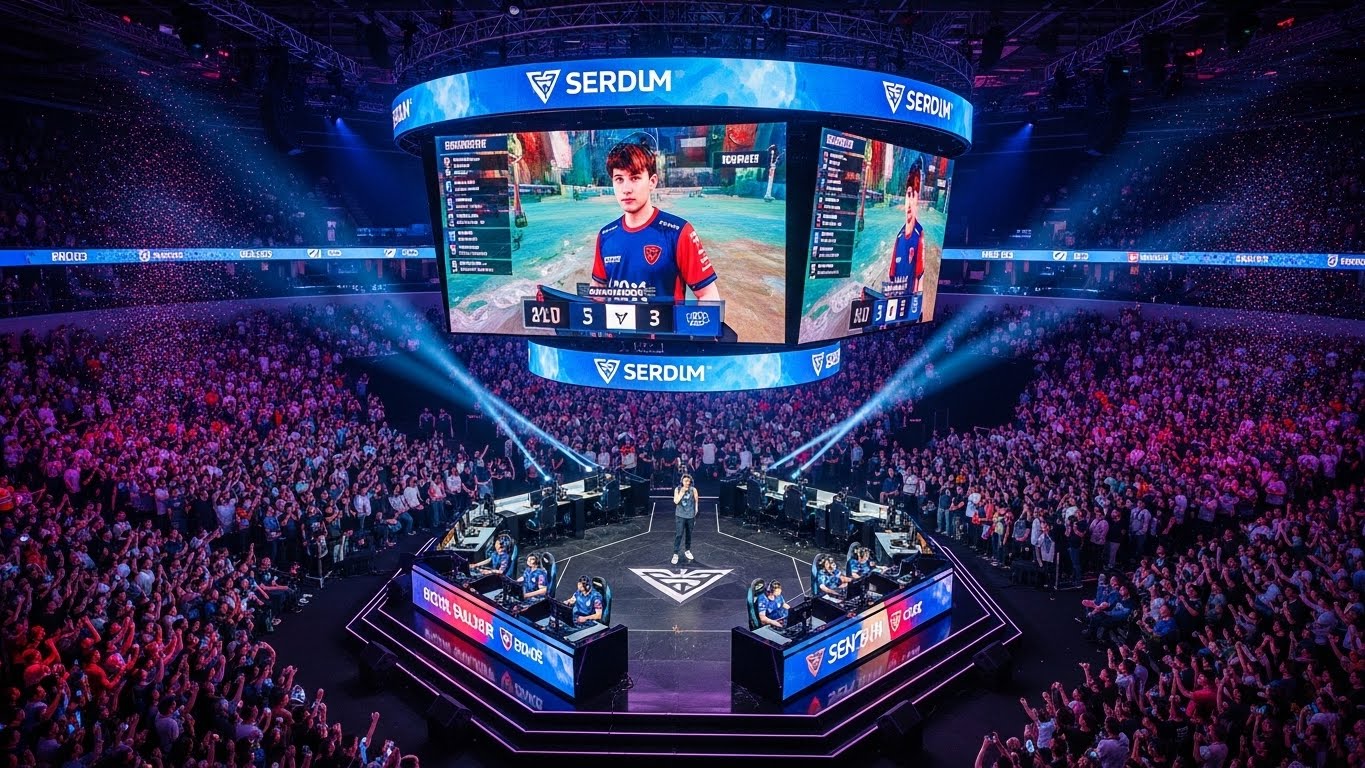
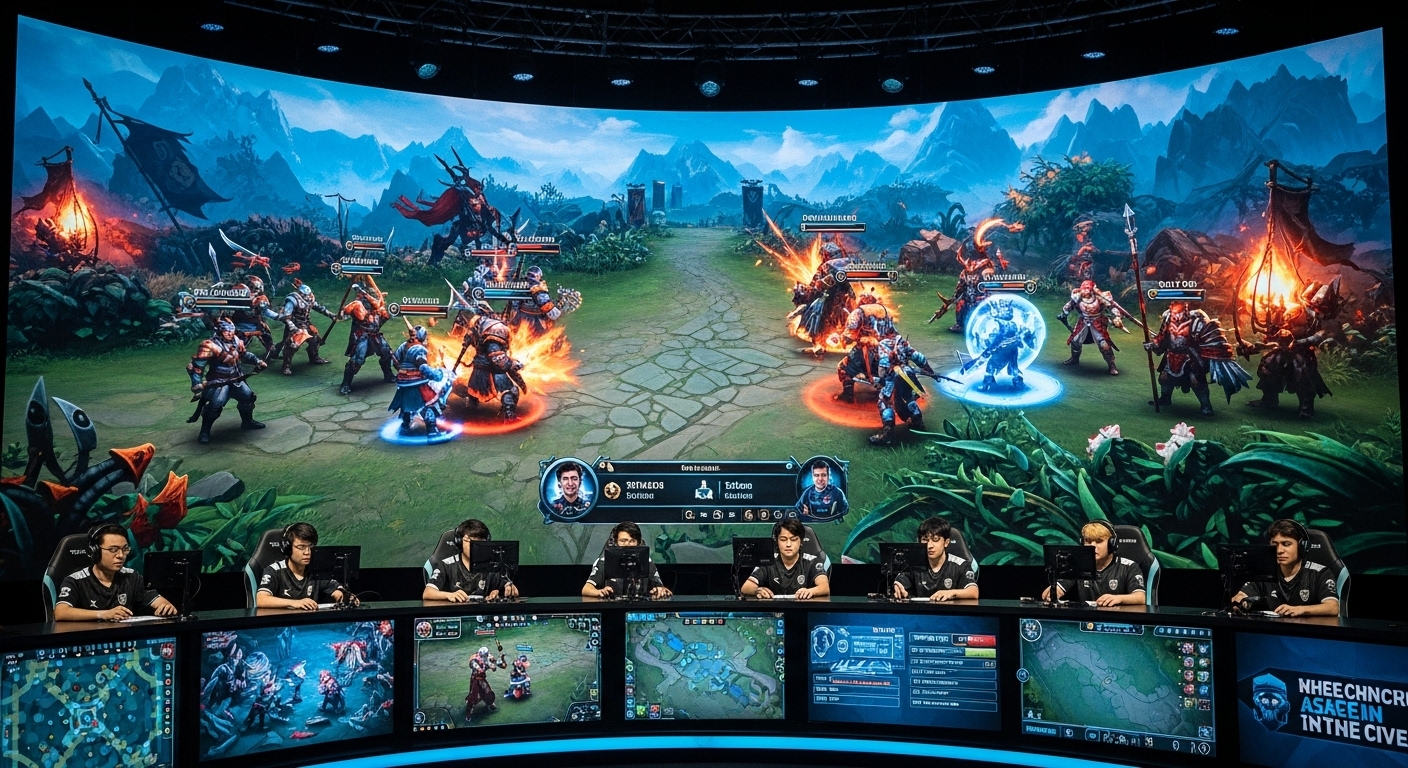
Esports, or electronic sports, has rapidly transformed from a niche hobby to a global entertainment powerhouse. What was once a simple way for gamers to compete against each other in digital arenas has evolved into a multi-billion-dollar industry that captivates millions of viewers worldwide. Today, esports is no longer just about playing video games—it’s a professional sport, an entertainment spectacle, and a cultural movement.
The popularity of esports has skyrocketed, with massive tournaments, professional leagues, and a growing ecosystem of teams, sponsors, and streaming platforms. In this blog post, we will explore the journey of esports from its humble beginnings to becoming a global phenomenon, diving into its history, its current state, and its bright future.
The Humble Beginnings: From Arcade Machines to LAN Parties
The origins of esports can be traced back to the late 20th century, long before the internet made online multiplayer games a reality. In the 1970s and 1980s, video games like Pong, Space Invaders, and Pac-Man became immensely popular in arcades around the world. While these early games were designed for individual play, the competitive nature of players quickly led to the creation of high-score competitions.
However, it wasn’t until the 1990s that the seeds of competitive gaming began to sprout in a more organized way. The advent of personal computers and the internet provided the perfect platform for online multiplayer gaming. Games like Doom and Quake paved the way for what we now recognize as esports. In 1997, one of the first major esports tournaments, Red Annihilation, was held for the game Quake, offering a cash prize and attracting the attention of top gamers.
The rise of local area network (LAN) parties in the 1990s also played a crucial role in the early development of esports. Gamers would gather in large rooms, connecting their computers to a network and competing against each other in games like StarCraft and Warcraft III. These events helped establish the community aspect of esports and created the foundation for future competitive gaming events.
The Streaming Revolution: Esports Goes Mainstream
The next critical step in the evolution of esports came in the mid-2000s with the rise of streaming platforms like Twitch. Launched in 2011, Twitch quickly became the go-to platform for gamers to live-stream their gameplay, interact with fans, and build personal followings. This revolutionized how competitive gaming was consumed by fans, allowing esports events to be broadcast live to global audiences.
Twitch’s integration of features like chat rooms, live commentary, and real-time interactions made it possible for fans to engage with their favorite players and teams in ways that were previously unimaginable. Esports events, which were once limited to physical venues or small online tournaments, were now being watched by millions of people at home.
The success of League of Legends (LoL) played a pivotal role in this transition. Riot Games, the developer behind LoL, established a global competitive scene, with annual tournaments like the League of Legends World Championship attracting millions of viewers. By 2013, the LoL World Championship was broadcast live on Twitch, and the tournament’s viewership rivaled that of major sports events.
As streaming platforms like Twitch and YouTube Gaming grew, so did the accessibility and visibility of esports. Fans no longer needed to attend events in person to watch top-tier competitions. They could tune in from anywhere in the world, creating a truly global audience for esports.
The Professionalization of Esports: Teams, Sponsors, and Major Leagues
With the explosive growth of esports came the professionalization of the industry. Esports organizations began to form, and professional players started to be treated like athletes. These organizations, much like traditional sports teams, hired managers, coaches, analysts, and support staff to help players reach their full potential. As the competitive gaming scene grew, so did the need for more structured leagues and tournaments.
Major game developers like Blizzard, Riot Games, and Valve saw the potential of esports and began to create their own competitive leagues. The Overwatch League and Call of Duty League, for example, took cues from traditional sports leagues, with teams representing different cities or regions and competing in a regular season followed by playoffs. These leagues provided a stable structure for professional esports players to earn salaries, build fanbases, and compete for large prize pools.
Sponsorship also became a major driver of esports’ professionalization. Companies from a variety of industries—including technology, energy drinks, and even fast food—saw the value in investing in esports. Brands like Intel, Red Bull, and Coca-Cola began sponsoring events, teams, and players, contributing to the growth of the industry. Esports tournaments started to offer multi-million-dollar prize pools, with top players earning significant salaries through sponsorship deals, streaming revenue, and tournament winnings.
This professional infrastructure helped elevate esports from a hobby to a career path, with players now able to make a living from their skill and passion for competitive gaming.
The Appeal of Esports: Why It Resonates with So Many
Esports continues to captivate millions of viewers because it combines several key factors that resonate with a global audience. Here are some of the main reasons why esports has gained such widespread appeal:
1. Accessibility: Unlike traditional sports, esports doesn’t require expensive equipment or physical facilities. All you need is a gaming device—be it a computer, console, or mobile phone—and an internet connection. Many popular esports titles are free-to-play, lowering the entry barrier for both players and fans. This accessibility has made esports a popular form of entertainment for people of all ages and backgrounds.
2. Thrilling Competition: At the heart of esports is intense, high-stakes competition. Whether it’s a game of League of Legends, Dota 2, or Counter-Strike: Global Offensive, esports offers the excitement of real-time strategy, skill, and teamwork. Fans love the unpredictability and drama of live matches, where the outcome can change in an instant.
3. Community: Esports is more than just a spectator sport—it’s a community. Fans interact with players, teams, and other fans through social media, forums, and streaming platforms. Many fans feel a personal connection to the teams they support and engage in discussions about strategy, game mechanics, and upcoming events. This sense of belonging is a powerful draw for people who want to be part of something bigger than themselves.
4. Global Reach: One of the most powerful aspects of esports is its ability to bring together people from all corners of the globe. Unlike traditional sports, which are often limited by geography, esports transcends borders. Players from different countries can compete against each other online, and fans can watch live tournaments from anywhere in the world. This global reach has helped esports become a truly international phenomenon.
The Career Path: More Than Just Playing Games
Esports has opened up new career opportunities for individuals beyond just professional players. While becoming a top-tier player is the ultimate goal for many, there are plenty of other roles in the esports industry that help keep it running.
1. Coaching and Analysis: Just like in traditional sports, esports teams need coaches and analysts who can guide players, refine strategies, and help improve performance. Coaches work closely with players to understand their strengths and weaknesses, while analysts break down gameplay to identify areas for improvement. These roles have become increasingly important as esports becomes more competitive.
2. Broadcasting and Commentating: Esports broadcasts have evolved into full-fledged productions, with live commentary, expert analysis, and behind-the-scenes coverage. Shoutcasters, the commentators who provide live play-by-play of matches, have become celebrities in their own right. Their ability to capture the excitement of a match and explain the intricacies of the game has made them an essential part of the esports viewing experience.
3. Event Management and Marketing: Esports events are large-scale productions that require extensive planning and coordination. Event organizers, marketers, and production teams work together to ensure that tournaments run smoothly, both online and offline. These roles involve everything from booking venues to managing sponsorships and promoting events to fans.
4. Content Creation: Many players and teams also create content for platforms like YouTube, Instagram, and TikTok, building personal brands and engaging with their fanbase. Content creators can earn income through sponsorships, ads, and donations, further expanding their influence in the esports world.
As the esports industry continues to grow, the number of career opportunities within it will continue to expand, offering new pathways for individuals to enter the world of competitive gaming.
The Future of Esports: A Bright Horizon
The future of esports looks incredibly promising, with continued growth expected in both viewership and revenue. One of the key areas where esports is likely to expand is in mobile gaming. Games like PUBG Mobile and Free Fire have already made a significant impact in the esports scene, and as mobile technology improves, mobile esports will continue to rise in prominence.
Additionally, new technologies such as virtual reality (VR) and augmented reality (AR) could take esports to the next level, providing even more immersive experiences for players and viewers. VR could enable fans to experience esports in a whole new way, placing them directly in the action.
Esports is also likely to continue its global expansion. As traditional sports organizations and major investors continue to enter the space, esports will become even more mainstream. The possibility of esports being included in events like the Olympics is becoming more realistic, further solidifying its place as a legitimate competitive sport.