Esports, or electronic sports, has rapidly evolved from a hobby into a global industry. What was once a small community of gamers competing for fun has now become a billion-dollar business with millions of fans, high-level competition, and worldwide recognition. In this blog post, we’ll dive into the world of esports, exploring how it has grown, what makes it unique, and the cultural shift it is driving.
What Is Esports?
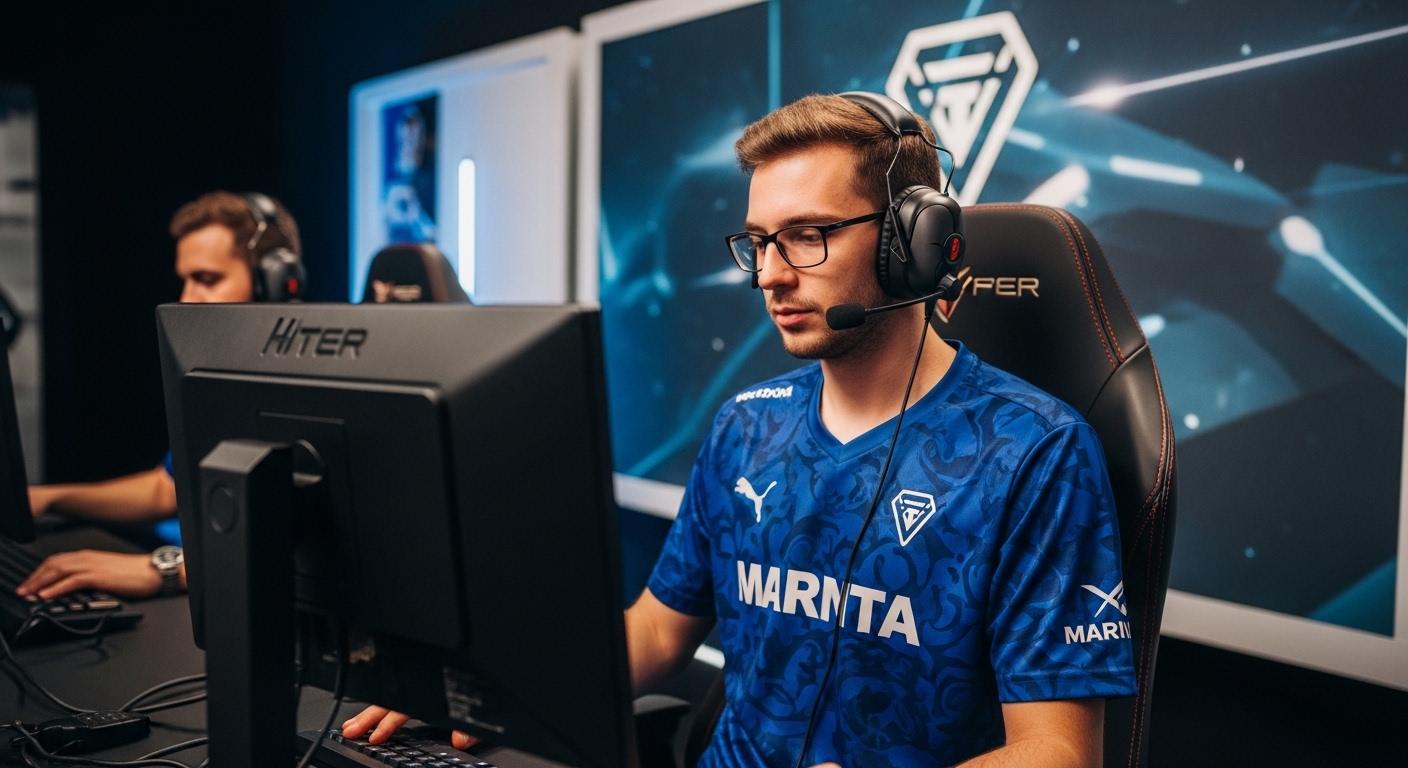
Esports refers to competitive video gaming at a professional level. It involves individual players or teams battling against each other in various video game titles, such as League of Legends, Counter-Strike, Dota 2, and Fortnite. These competitions are often streamed online, where millions of fans watch in real-time. What makes esports different from casual gaming is the level of commitment, skill, and strategy required to succeed at the highest levels. Players train rigorously, much like athletes in traditional sports, to hone their abilities.
The Explosive Growth of Esports
The rise of esports has been nothing short of spectacular. What started as underground competitions in basements and small community events is now a global entertainment phenomenon. The growth of streaming platforms like Twitch and YouTube has played a major role in this expansion. These platforms allow fans to watch live matches, interact with players, and even attend virtual tournaments.
Esports has also attracted sponsorships from major global brands such as Coca-Cola, Intel, and Nike, which have invested heavily in the industry. This has led to bigger prize pools, more professional teams, and larger-scale events, making esports competitions just as thrilling to watch as traditional sports. The shift towards digital and global events has allowed esports to reach audiences from every corner of the world.
The Professionalization of Esports
In the early days, esports players were often seen as enthusiasts or hobbyists. But today, esports is a well-organized, professional industry with an entire ecosystem supporting its growth. Professional players dedicate hours each day to practice, strategize, and compete, often with the support of coaches, analysts, and physical trainers to maintain peak performance.
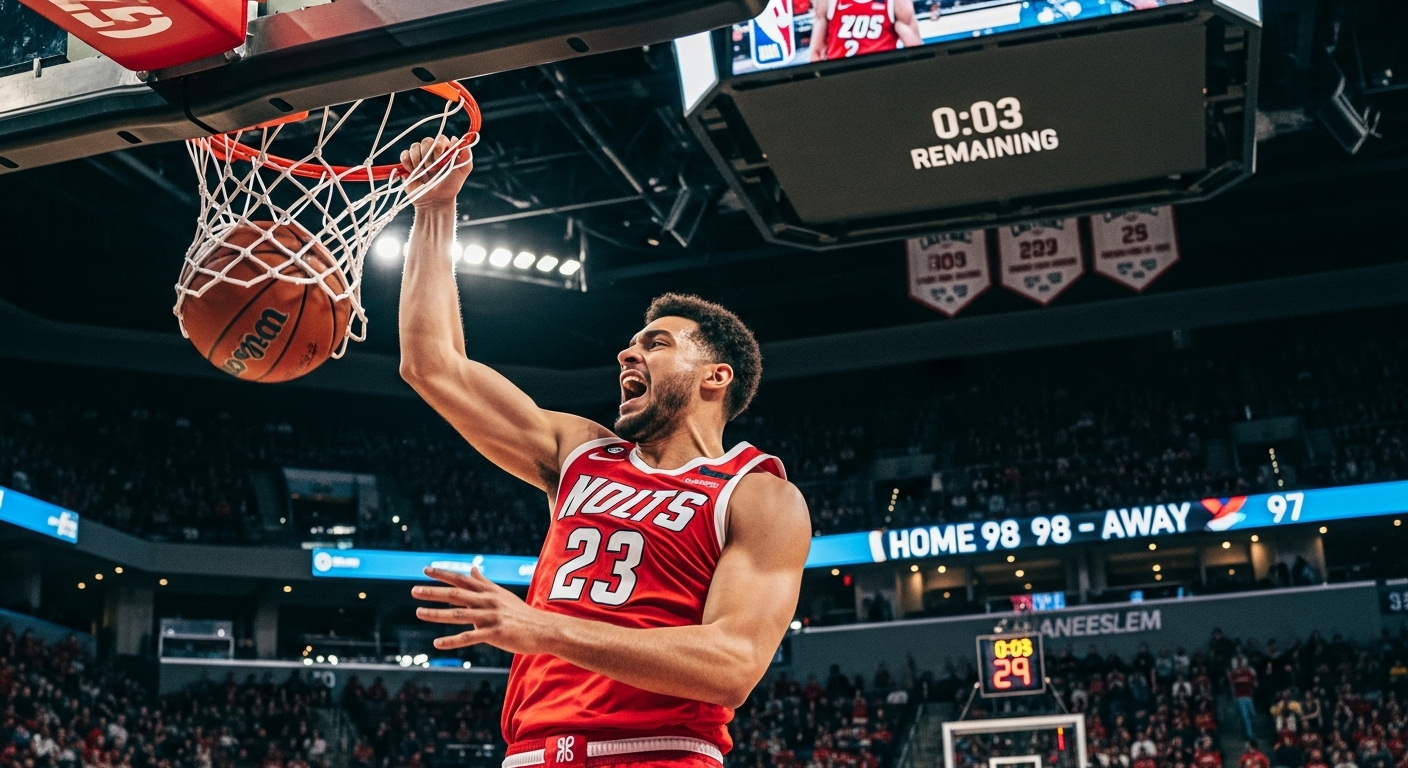
Teams and organizations operate much like traditional sports teams, with sponsorships, salary contracts, and endorsements for players. Major esports leagues, such as the Overwatch League and the League of Legends Championship Series (LCS), offer full-time careers to players. These leagues have transformed esports into a legitimate career path for young talents worldwide.
The Cultural Impact of Esports
Esports is not just about the competition. It has become a massive part of popular culture, influencing entertainment, education, and even social interaction. The competitive nature of esports promotes teamwork, strategic thinking, and mental agility, while the global nature of the industry creates an inclusive environment for players and fans from diverse backgrounds.
Esports has even made its way into academic institutions, with many universities offering scholarships for top gamers. Esports programs are becoming integral parts of college athletics, teaching students how to balance competition with academics and building the next generation of professional players.
The Challenges Ahead
Despite its rapid growth, esports is not without its challenges. One of the biggest issues is the mental health of players. The pressure to constantly perform, the long hours of practice, and the public scrutiny can take a toll. Player burnout is common, and many professional gamers retire at a young age. The industry is becoming more aware of these issues, but finding sustainable ways to care for players’ mental and physical well-being remains an ongoing challenge.
Additionally, the need for regulation and fairness in competitions is crucial. Ensuring that matches are free of cheating and that players compete under fair conditions is essential for maintaining the integrity of the sport. As the industry continues to mature, esports must find ways to address these concerns while maintaining its rapid growth.
The Future of Esports
The future of esports looks incredibly promising. With technological advancements such as virtual reality and artificial intelligence, the next generation of esports could change the way we view and play games. Virtual arenas, holographic displays, and immersive experiences may redefine esports in ways we can’t yet imagine.
Moreover, esports is becoming a mainstream form of entertainment, with live events and tournaments being broadcast on TV and streamed on global platforms. As esports continues to merge with traditional sports, we could see more crossover events, partnerships, and even a more unified approach to global competitions.
Esports also has the potential to influence other industries, such as tourism and technology. Major tournaments are being held in iconic stadiums and arenas, attracting tourists and viewers from across the world. Technology companies are investing heavily in esports to create the next generation of gaming devices and platforms.
Conclusion
Esports is not just a passing trend; it’s a revolution in the world of entertainment and competition. As the industry continues to evolve, it will shape how we think about sports, gaming, and digital culture. Whether you’re a gamer, a fan, or someone just discovering esports, one thing is clear—this is just the beginning of a new era in competitive gaming.