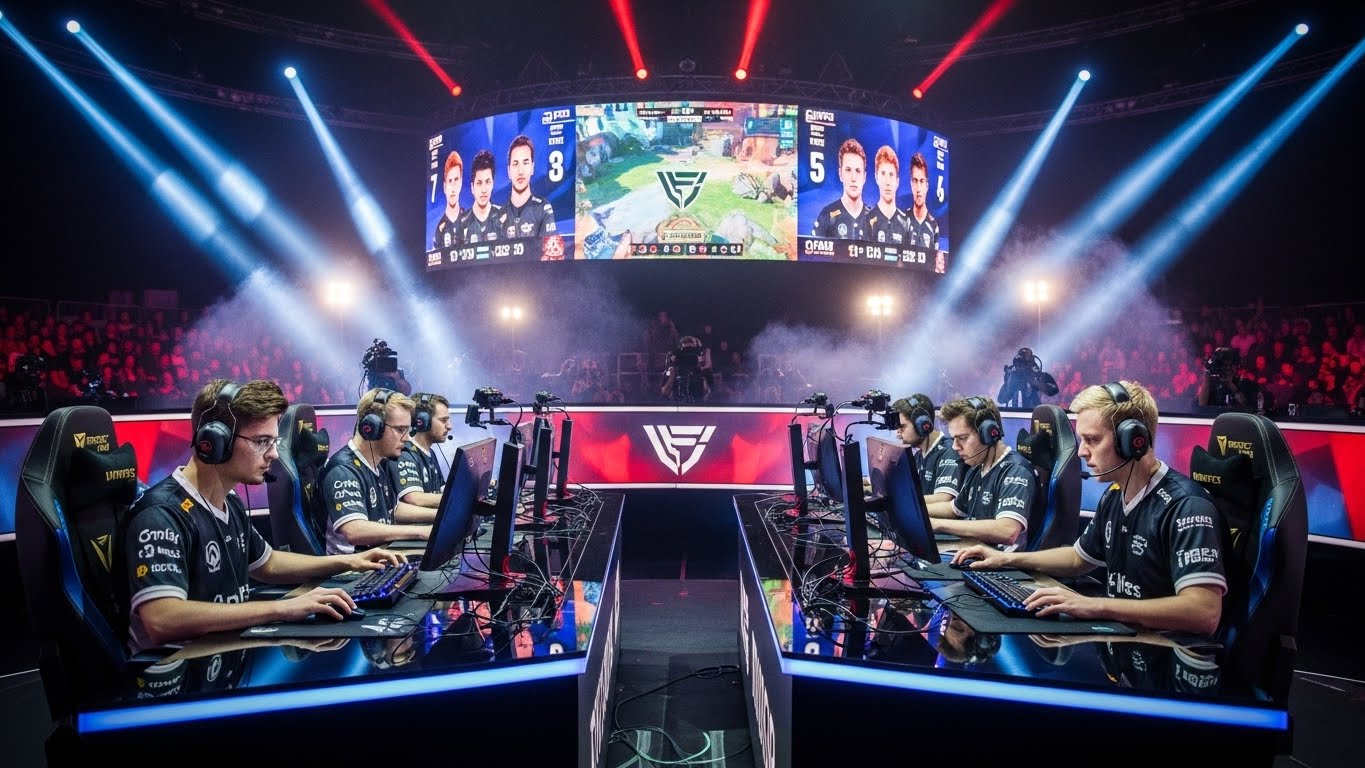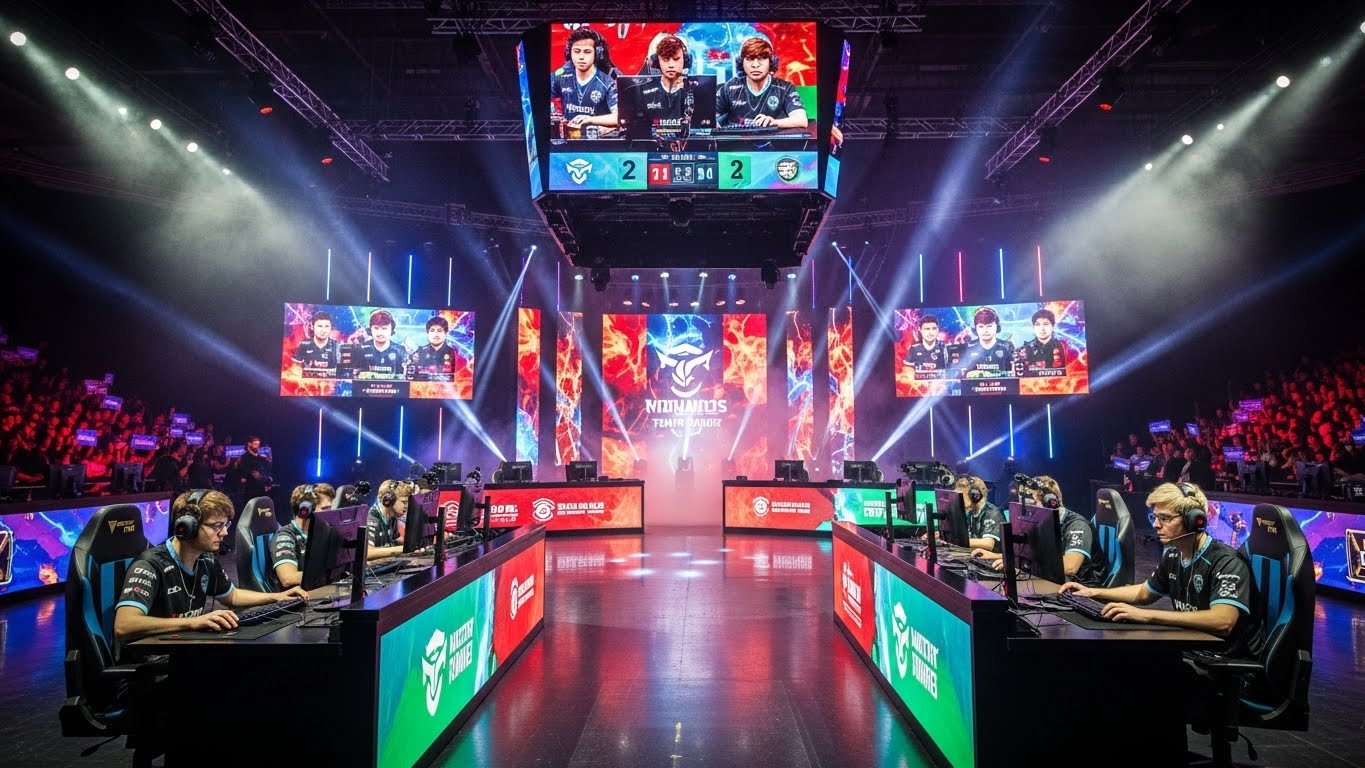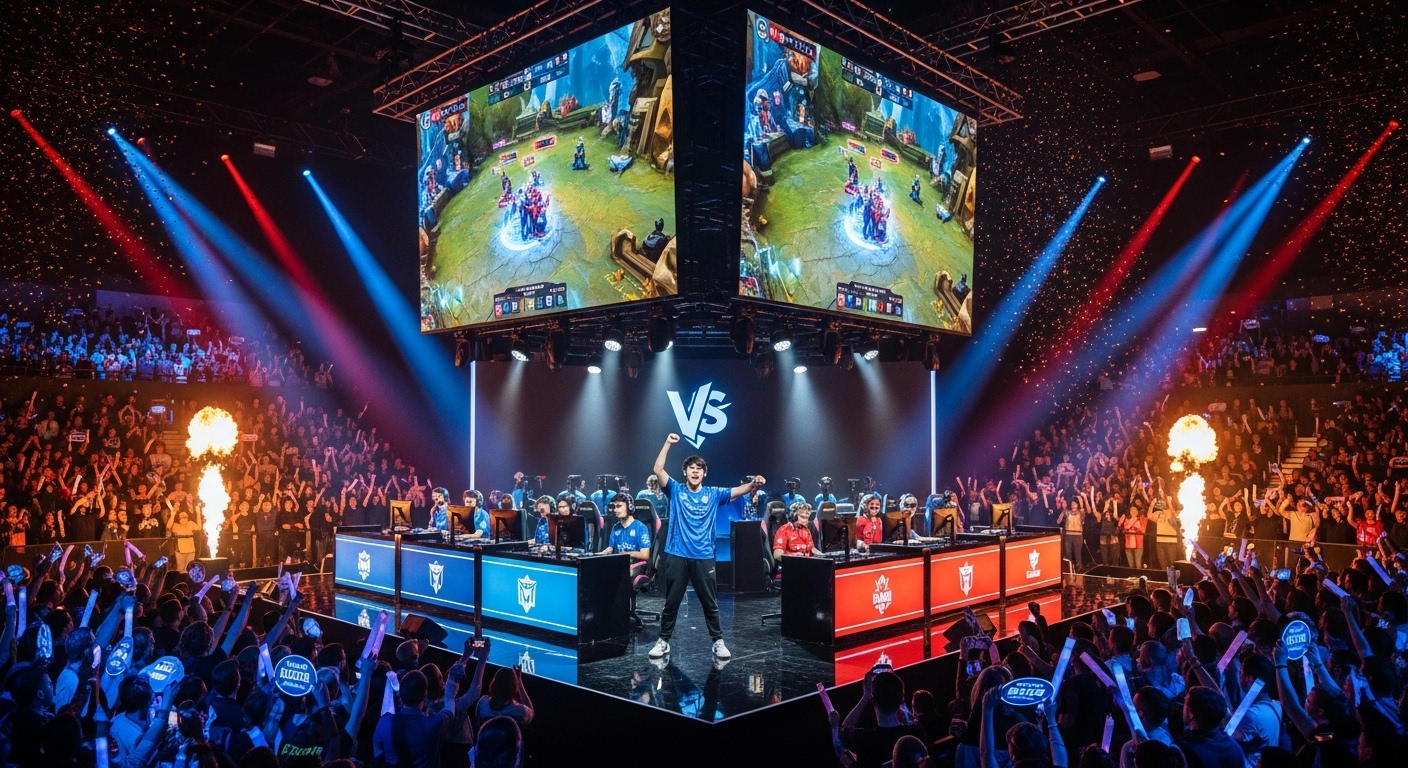
Esports, or competitive video gaming, has emerged as a global phenomenon, transforming how people perceive gaming and competition. What began as small gatherings of players competing in arcades or living rooms has evolved into an industry with professional leagues, million-dollar tournaments, and millions of passionate fans worldwide. Technology, streaming platforms, and a growing culture of digital engagement have propelled esports into mainstream entertainment, blurring the line between traditional sports and gaming. This blog explores the rise of esports, its impact on culture and economy, the challenges it faces, and what the future holds.
The Early Days of Competitive Gaming
The origins of competitive gaming can be traced back to the 1970s and 1980s when arcade games such as Pong, Space Invaders, and Pac-Man gained popularity. Players competed for high scores, often receiving recognition through local leaderboards. Arcades became social hubs where players could test their skills, meet like-minded enthusiasts, and engage in friendly rivalry.
With the advent of home consoles and personal computers, competitive gaming moved into living rooms. Games like Street Fighter, Super Mario Kart, and Warcraft created opportunities for local tournaments and community competitions. Though modest in scale, these early competitions laid the foundation for what would later become the professional esports ecosystem.
Even in these formative years, competitive gaming was more than a pastime; it was about skill, strategy, and community engagement. These early experiences created the culture that would define modern esports.
The Professionalization of Esports
The 1990s and early 2000s marked the professionalization of competitive gaming. Titles such as StarCraft, Counter-Strike, and DotA attracted global attention, with organized leagues, sponsorships, and televised events, particularly in South Korea. This era saw the formation of professional teams, training regimens, and coaching structures similar to traditional sports.
Professional players began earning salaries, sponsorship deals, and tournament prize money. They honed their reflexes, strategic thinking, and teamwork skills with a level of discipline comparable to conventional athletes. Major tournaments such as the World Cyber Games and Major League Gaming established international standards for competition and broadcast production.
This professionalization signaled a shift: esports was no longer merely recreational; it had become a serious industry capable of sustaining careers and attracting investment.
The Role of Technology in Esports Growth
Technology has been central to the rise of esports. High-performance computers, gaming consoles, fast internet connections, and advanced peripherals have allowed players to compete at unprecedented levels. These tools ensure precision, reduce latency, and facilitate global competition.
Streaming platforms such as Twitch and YouTube Gaming have transformed esports into spectator entertainment. Fans can watch live tournaments, engage with players through chat, and follow professional careers in real time. Analytics software and performance-tracking tools allow players and coaches to study strategies, optimize gameplay, and improve reaction times.
Additionally, ongoing improvements in graphics, game mechanics, and user interfaces keep audiences engaged and elevate the competitive experience. Technology has turned gaming from a hobby into a professional, spectator-driven industry with global reach.
Popular Esports Games and Genres
Esports spans multiple genres, each offering unique competitive experiences. Multiplayer online battle arena (MOBA) games like League of Legends and Dota 2 emphasize team strategy, coordination, and real-time decision-making. First-person shooters (FPS) such as Counter-Strike: Global Offensive and Call of Duty test reflexes, aiming precision, and tactical awareness.
Sports simulation titles like FIFA and NBA 2K replicate real-world sports, appealing to both gamers and traditional sports fans. Fighting games, including Tekken and Street Fighter, challenge players’ reaction times, memorization of combos, and timing. Battle royale games like Fortnite and PUBG combine survival strategies with rapid gameplay, attracting massive audiences worldwide.
The diversity of genres allows esports to appeal to a broad audience, creating an ecosystem where players and fans can engage in multiple forms of competitive play.
Cultural Impact of Esports
Esports is more than a pastime; it is a cultural movement. It has created communities that cross geographic, linguistic, and social boundaries. Fans form deep attachments to teams and players, similar to traditional sports fandoms, and actively participate in discussions, fan art, and online forums.
Esports challenges traditional perceptions of athleticism. Professional players exhibit endurance, focus, strategy, and teamwork—qualities long associated with physical sports. Educational institutions increasingly recognize esports’ legitimacy, offering scholarships, dedicated training programs, and organized campus competitions.
Esports has also influenced mainstream culture. Its impact extends to music, fashion, media, and social interactions, demonstrating how gaming can shape cultural trends and social engagement on a global scale.
The Economics of Esports
Esports has become a multi-billion-dollar industry, with revenue streams from sponsorships, advertising, merchandise, ticket sales, and media rights. Companies recognize esports as a valuable marketing platform due to its engaged and digitally native audience.
Professional players earn significant income through salaries, tournament winnings, streaming revenue, and sponsorship deals. Major events such as the League of Legends World Championship and The International for Dota 2 offer prize pools in the millions, reflecting the financial potential of competitive gaming.
The industry also drives economic growth in related sectors, including content creation, software development, gaming peripherals, broadcasting, and event management. Esports’ financial impact is global, creating employment opportunities and encouraging technological innovation.
Streaming Platforms: The Lifeline of Esports
Streaming platforms are essential to esports’ global popularity. Platforms like Twitch and YouTube Gaming allow fans to watch tournaments live, interact with players, and participate in virtual communities. This interactivity makes esports more engaging than traditional sports broadcasts, providing real-time connection between fans and players.
Streaming has also empowered amateur gamers to build audiences, monetize content, and potentially enter professional competitions. Highlight reels, tutorials, and commentary streams generate additional revenue and broaden the industry’s reach.
Streaming platforms have transformed esports into a participatory and inclusive experience, connecting players, fans, and sponsors worldwide.
Training and Development in Esports
Esports requires rigorous training akin to professional sports. Players dedicate long hours to practicing mechanics, refining strategies, and coordinating with teammates. Mental resilience, focus, and communication are critical for peak performance.
Professional teams employ coaches, analysts, nutritionists, and psychologists to support players’ physical and mental well-being. Esports houses or training facilities provide controlled environments for practice and strategy development.
The professional approach to training emphasizes that esports is not simply gaming—it is a career requiring discipline, skill, and teamwork at the highest levels.
Challenges Facing Esports
Despite its rapid growth, esports faces several challenges. Player burnout and mental health issues are prevalent due to long hours, high-stakes competitions, and constant public exposure. Ensuring wellness programs and sustainable work practices is essential.
Integrity concerns, such as cheating, doping, and match-fixing, threaten credibility. Establishing ethical standards, fair play regulations, and anti-cheat mechanisms is vital for maintaining trust.
Accessibility also remains a challenge. Many regions lack infrastructure, funding, or opportunities for aspiring players. Expanding access to training, technology, and competitions is crucial for sustaining global growth.
The Future of Esports
The future of esports promises innovation, growth, and mainstream recognition. Virtual reality (VR) and augmented reality (AR) could create immersive, interactive experiences for both players and audiences. Hybrid events combining live spectators with digital engagement may redefine competitive experiences.
Esports is likely to integrate further with traditional sports, media, and entertainment. Educational programs, professional academies, and training institutions may become more widespread, fostering the next generation of professional players. Emerging technologies, including AI analytics and advanced streaming tools, will enhance training, strategy, and audience engagement.
Sustainable growth in esports will depend on mental health awareness, ethical standards, inclusivity, and technological innovation. With these foundations, esports is poised to remain a permanent fixture in global entertainment.
Conclusion: Esports as a Defining Trend of the Digital Era
Esports has evolved from casual gaming competitions to a professional, global industry that combines skill, strategy, entertainment, and technology. Beyond the games themselves, esports creates communities, drives economic growth, and challenges traditional definitions of sports and athleticism.
As technology advances and audiences expand, esports will continue to influence culture, entertainment, and business worldwide. It is more than a game; it is a platform for creativity, competition, and connection in the digital age.
Esports demonstrates the transformative power of technology in redefining competition, entertainment, and global culture. Its rise signifies a new era where digital skill, strategy, and passion converge, creating opportunities for players and fans alike. The digital arena has become a stage for talent, innovation, and ambition, making esports a defining trend of the 21st century.