Introduction
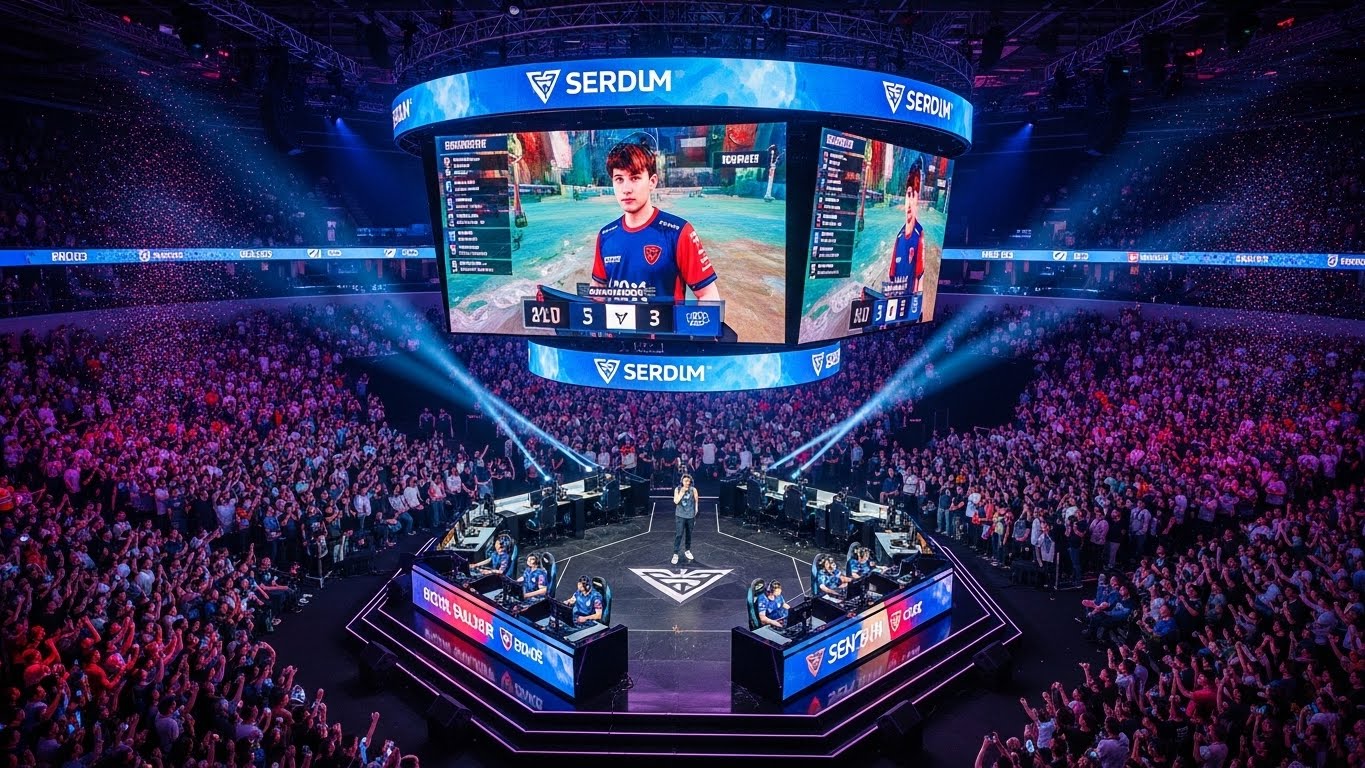
Esports has rapidly transformed from a niche hobby into a worldwide industry that captivates millions. Once confined to small gatherings and internet cafés, competitive gaming now fills massive arenas, draws millions of online viewers, and offers professional opportunities comparable to traditional sports. It is not only a source of entertainment but also a cultural force, influencing technology, education, and social interaction. This blog explores the rise of esports, its players, infrastructure, and cultural significance, revealing why competitive gaming has become one of the most influential forms of modern entertainment.
The Humble Origins of Competitive Gaming
Competitive gaming can trace its roots back to the 1970s and 1980s, when arcade machines created informal challenges among players. Early competitions were small, localized events where individuals competed for pride or small prizes. As home consoles became common, the scene expanded to living rooms, with friends competing for high scores. The shift from local play to organized competitions began when the first national gaming tournaments were hosted, creating a precedent for structured competitive gaming. These humble beginnings set the stage for the global industry esports would become.
The Impact of the Internet on Esports
The rise of the internet revolutionized competitive gaming. Online multiplayer games allowed players to connect across cities, countries, and continents, breaking the barriers of physical proximity. This connectivity created global communities where players could compete, share strategies, and build reputations. Games like first-person shooters and real-time strategy titles flourished due to online infrastructure, giving rise to ranked ladders and leaderboards that measured skill on a global scale. The internet not only expanded access but also legitimized competitive gaming, turning it from a casual pastime into a serious pursuit.
The Birth of Professional Esports Teams
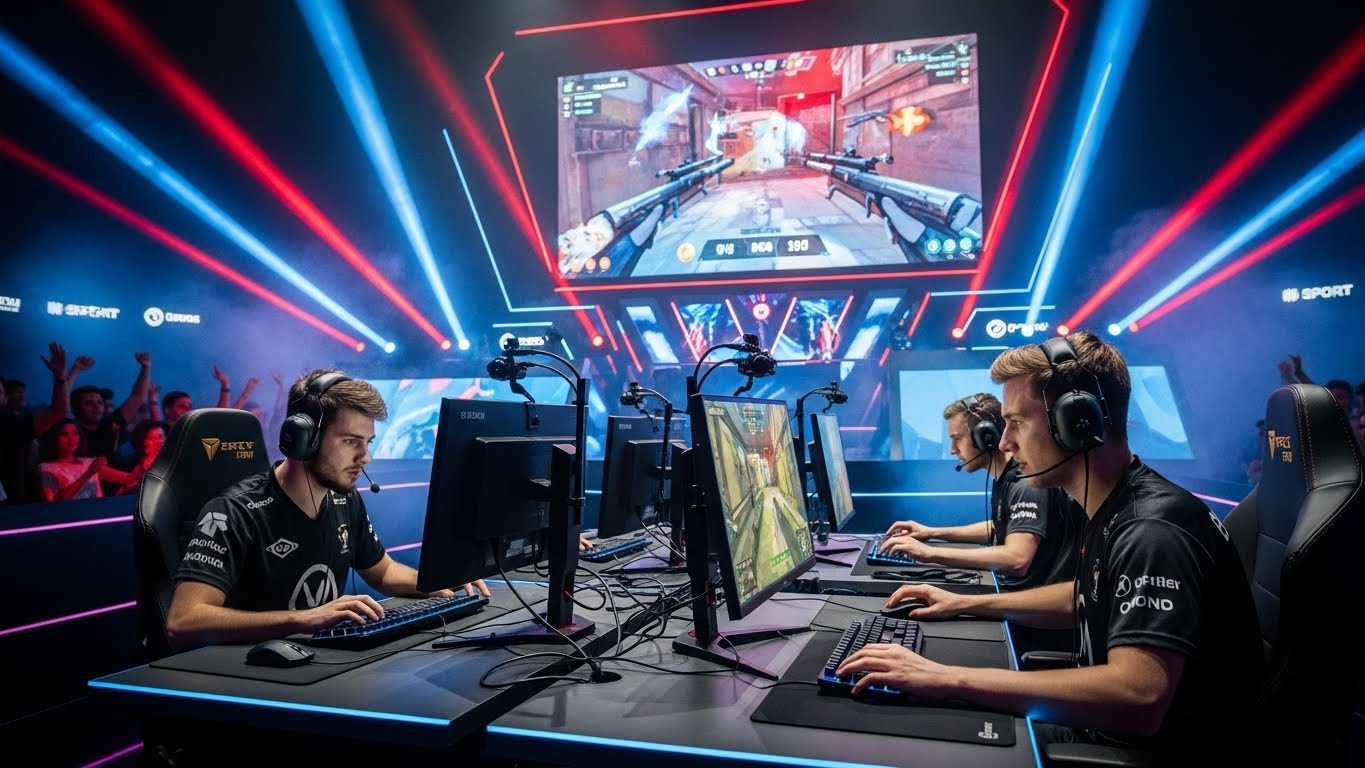
As competitive gaming grew, organizations began to form professional teams. These teams recruit top players, provide coaching, and develop strategies for success in tournaments. Unlike casual gamers, professional players follow strict training regimens, practice for hours daily, and analyze gameplay with the help of coaches and analysts. Sponsorships from brands and esports organizations provide financial stability, allowing players to pursue gaming as a full-time career. Professional teams are now central to the esports ecosystem, attracting fan loyalty and driving large-scale competitions.
Iconic Esports Titles and Their Influence
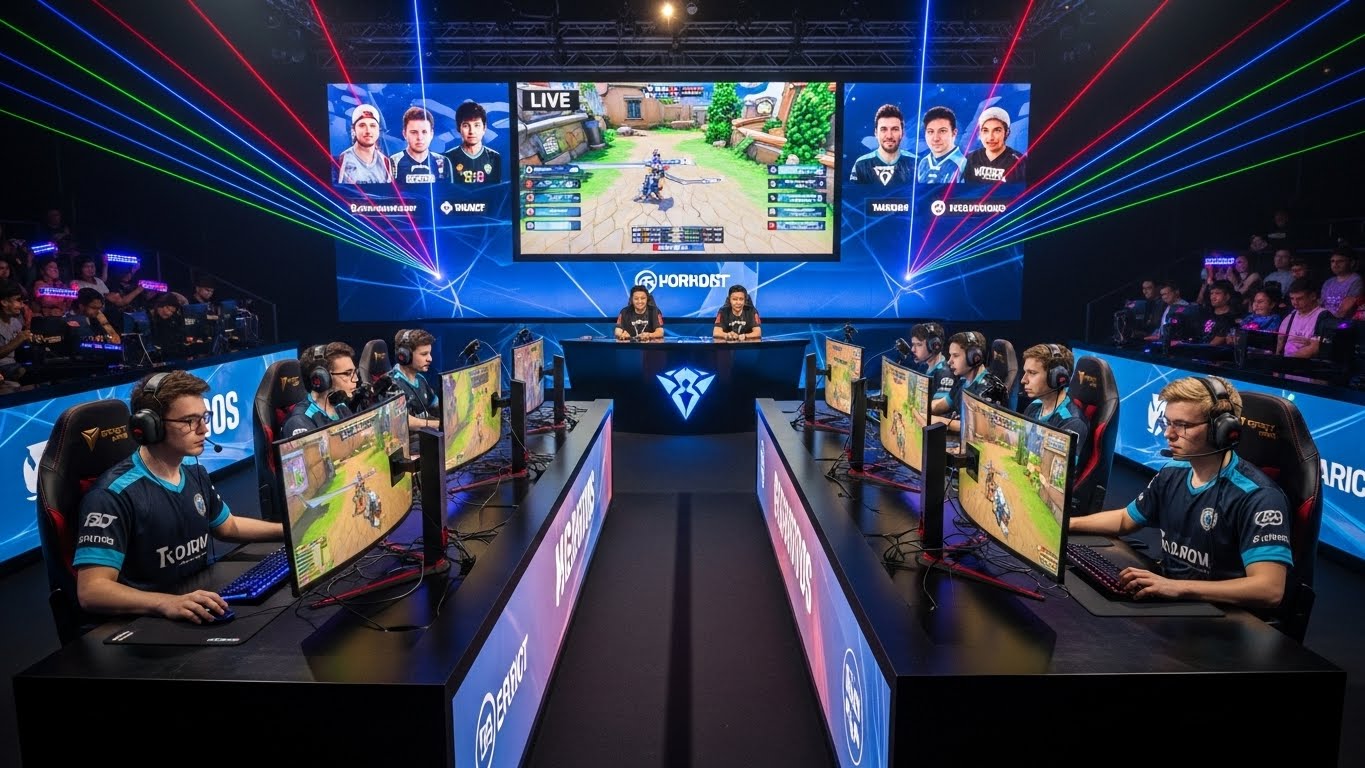
Certain games have defined the esports landscape. Multiplayer online battle arena games like League of Legends and Dota 2, first-person shooters such as Counter-Strike and Valorant, and sports simulations like FIFA have all created competitive communities with dedicated fanbases. These games provide a platform for high-level competition, with tournaments that offer significant prize pools. Each title influences its genre, shaping player strategies, community culture, and the competitive scene. The diversity of games ensures that esports appeals to a wide audience, from casual viewers to hardcore enthusiasts.
The Life of an Esports Athlete
Being an esports athlete requires discipline, skill, and mental fortitude. Players dedicate hours to training, studying opponents, and refining techniques. Physical fitness is increasingly recognized as important, as reaction time, focus, and endurance directly impact performance. Mental health is also critical, with professionals often working with psychologists to manage stress and burnout. The demands of competition are intense, and only the most committed players reach the top. For those who succeed, esports offers fame, financial rewards, and the chance to represent their team or country on an international stage.
Esports as a Spectator Sport
One of esports’ most unique aspects is its global spectator appeal. Unlike traditional sports, esports tournaments are accessible from anywhere in the world via streaming platforms. Viewers can watch live competitions, interact with commentators, and participate in discussions with other fans. High-quality broadcasting with expert commentary, analysis, and live visuals enhances the viewing experience. The interactivity and accessibility of esports viewing have contributed to the rapid growth of its fanbase, creating a community that spans continents and connects people with shared interests.
The Role of Content Creators and Streamers
Content creators and streamers are vital to the esports ecosystem. They produce tutorials, live gameplay, commentary, and entertainment that engages millions of viewers. Streamers often act as ambassadors for their games, inspiring new players and fostering communities. Their influence extends beyond gameplay, affecting trends, game updates, and community culture. The combination of skill, personality, and entertainment ensures that streamers are a powerful force in the growth and popularity of esports, bridging the gap between casual players and professional athletes.
The Global Expansion of Esports
Esports is no longer limited to specific regions. Competitive gaming has a global presence, with professional leagues and tournaments held worldwide. Countries invest in esports infrastructure, develop training academies, and recognize esports athletes as legitimate competitors. International tournaments showcase cultural diversity and foster friendly rivalries that mirror traditional sports competitions. This global reach demonstrates the unifying power of esports, connecting people through shared experiences, and providing opportunities for cultural exchange across borders.
Education and Career Opportunities in Esports
The expansion of esports has created new educational and career pathways. Universities now offer scholarships for esports athletes, providing opportunities similar to traditional sports scholarships. Academic programs focus on esports management, broadcasting, marketing, game design, and analytics, preparing students for careers in this growing industry. Beyond playing, careers in coaching, content creation, event organization, social media, and game development allow passionate individuals to contribute to esports professionally. These opportunities ensure that esports is not only a hobby but also a viable career path for the future.
Technology and Innovation in Esports
Technology is the backbone of esports. High-performance computers, graphics advancements, fast internet, and sophisticated game engines enable competitive play at the highest level. Innovations such as virtual reality, augmented reality, and artificial intelligence are shaping the future of esports, offering immersive experiences and new ways to compete. Technological advancements also enhance spectator experiences through detailed analytics, interactive overlays, and advanced broadcasting techniques. As technology evolves, esports continues to redefine the boundaries of competition and entertainment.
Community, Culture, and Fan Engagement
At the heart of esports is community. Fans interact through forums, social media, fan clubs, and live events, creating a sense of belonging and shared passion. Esports culture thrives on collaboration, creativity, and engagement, with fan art, memes, and community tournaments reflecting the vibrancy of the ecosystem. This engagement fosters loyalty and strengthens the connection between players and fans, ensuring that esports remains more than just competition—it becomes a social and cultural experience.
Challenges Facing the Industry
Despite its growth, esports faces challenges. Player burnout, intense pressure, and rigorous schedules are common. Ensuring fair play and competitive integrity requires careful regulation, and financial stability varies between organizations. Additionally, rapid game updates can disrupt balance and strategy, affecting the competitive landscape. Addressing these issues requires coordinated effort from developers, teams, and governing bodies to ensure the sustainable growth of esports.
The Future of Esports
The future of esports is promising. Increasing mainstream recognition, growing investment, and technological innovation suggest continued expansion. Traditional sports organizations are collaborating with esports teams, merging digital and physical sports cultures. Esports is likely to continue integrating with education, entertainment, and global sporting events, creating new opportunities for players, fans, and professionals. As the industry matures, esports will increasingly be seen as an enduring part of modern culture and competition.
Conclusion
Esports has grown from casual gaming into a global phenomenon that combines competition, community, and culture. It offers professional opportunities, educational pathways, and entertainment for millions of fans. With technological advancements and global connectivity, esports continues to evolve, shaping the way people play, watch, and engage with games. Its rise demonstrates the potential of digital competition to become a legitimate, sustainable, and influential part of the modern world, bridging cultures and inspiring the next generation of competitive athletes.