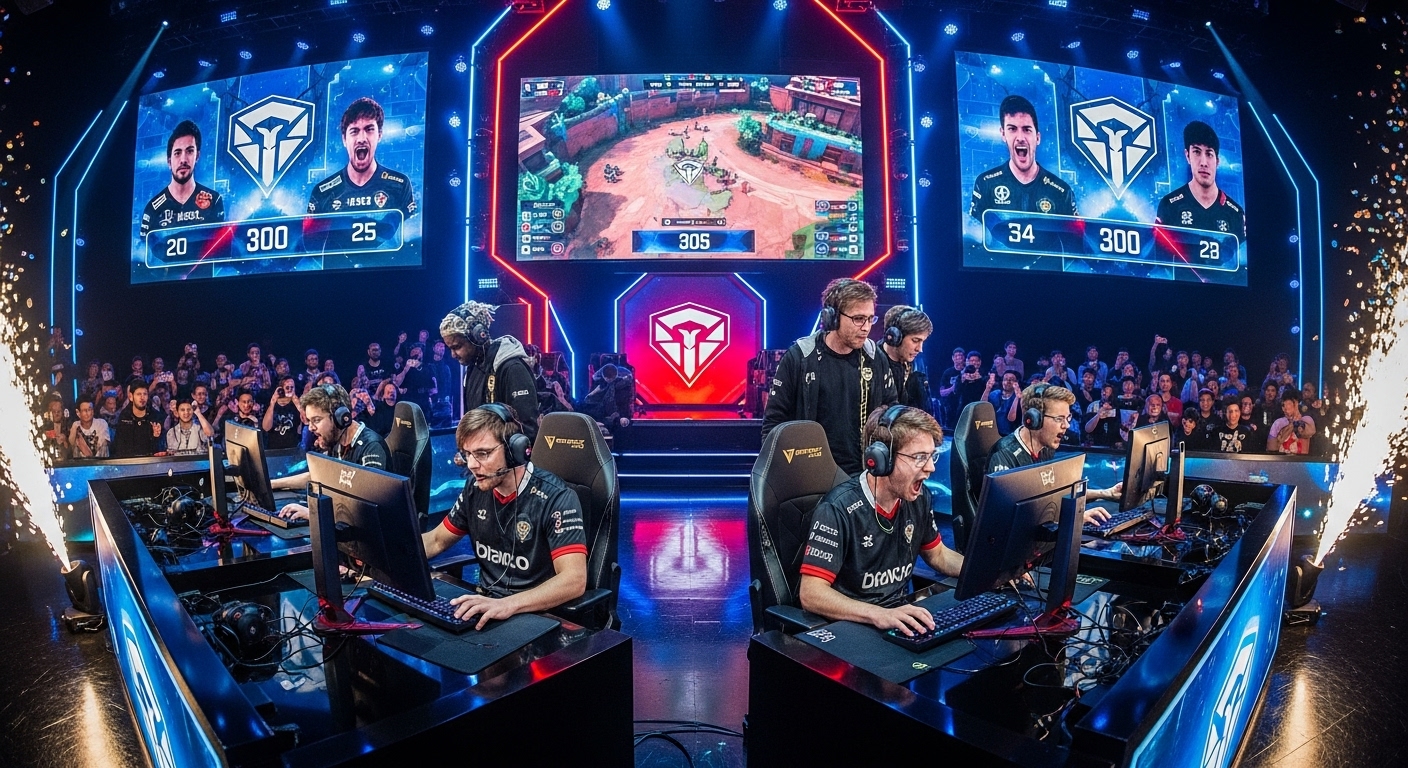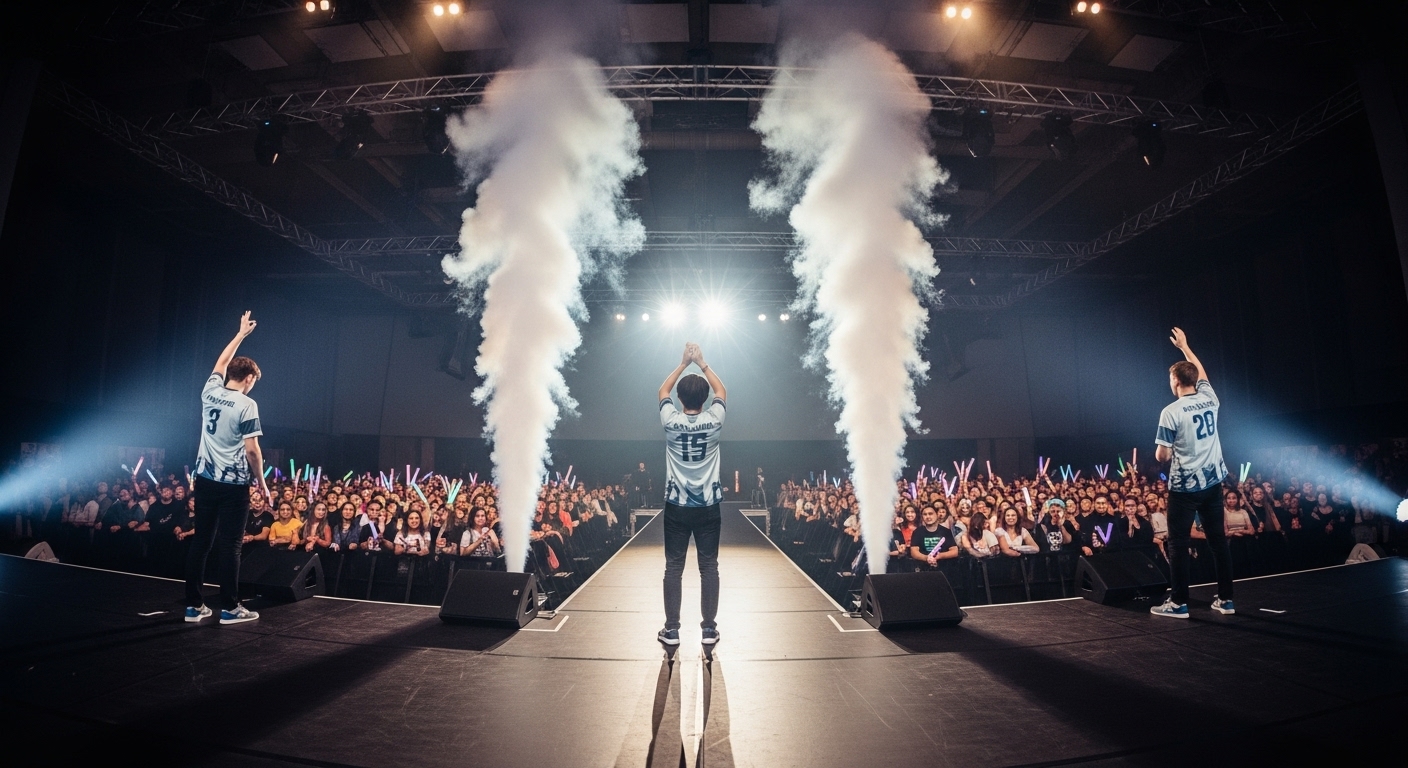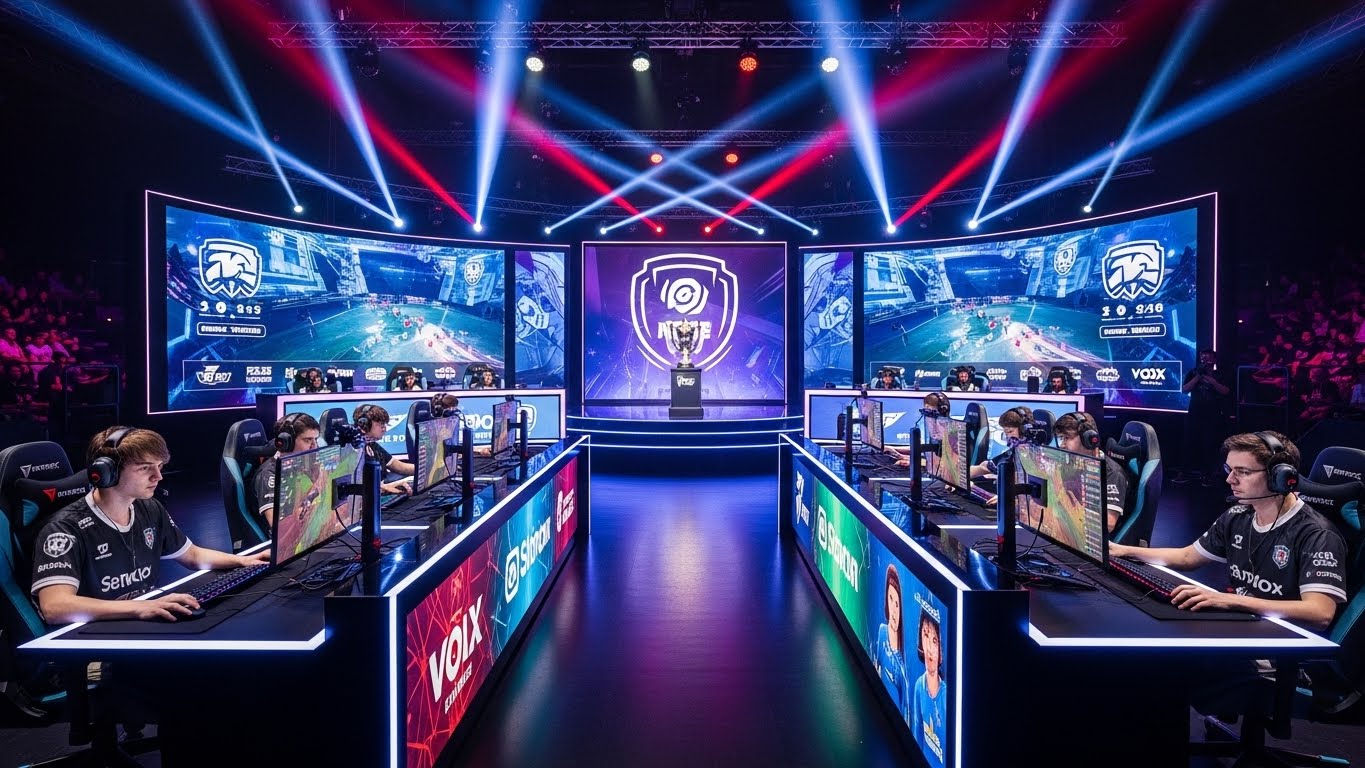
Esports has transformed from casual gaming sessions into a global competitive ecosystem that commands massive audiences, professional careers, and cultural influence. What was once considered a hobby has evolved into a serious industry where players train like athletes, fans fill virtual stadiums, and competitions offer prestige alongside financial rewards. Esports is not just changing how games are played, but also how entertainment, technology, and competition intersect in the digital age.
The Birth and Growth of Esports
The origins of esports date back to early video game competitions held in arcades and local communities. These events were modest, driven by passion rather than profit. As gaming consoles and personal computers became more powerful, competitive gaming gained structure and popularity. Multiplayer games introduced ranked systems, tournaments, and spectator modes, laying the foundation for professional esports.
The rise of broadband internet accelerated this growth. Players could now compete globally, and audiences could watch matches live from anywhere in the world. Over time, organized leagues, international tournaments, and professional teams emerged, transforming esports into a structured and respected competitive field.
Esports as a Professional Sport
Modern esports mirrors traditional sports in many ways. Professional players sign contracts, follow training schedules, and compete in organized leagues under team banners. Coaches, analysts, and support staff work behind the scenes to develop strategies, study opponents, and improve performance. Success in esports demands discipline, adaptability, and consistent practice.
Players often begin training at a young age, refining reflexes, game knowledge, and teamwork skills. At the highest level, competition is intense, and only the most dedicated and skilled players rise to the top. This professional environment has shifted public perception, positioning esports athletes alongside traditional sports professionals.
The Skill and Strategy Behind Esports
Esports is far more than fast reflexes and button pressing. Competitive gaming requires deep strategic thinking, situational awareness, and precise decision-making. Each game demands mastery of mechanics, map knowledge, timing, and opponent behavior. Team-based esports require flawless communication, coordination, and trust among players.
Mental agility is critical. Players must adapt strategies in real time, remain calm under pressure, and recover quickly from mistakes. The margin between victory and defeat is often razor-thin, making focus and consistency essential components of success.
The Role of Technology in Esports
Technology is the backbone of esports. High-performance gaming systems, low-latency networks, and advanced software tools enable competitive play at the highest level. Even minor technical advantages can influence outcomes, making reliability and precision essential.
Beyond gameplay, technology enhances broadcasting and fan engagement. High-definition streams, real-time statistics, and immersive viewing experiences allow fans to feel connected to the action. Data analytics tools help teams evaluate performance, identify weaknesses, and refine strategies, pushing esports closer to a science-driven sport.
Esports and Global Community
One of the most powerful aspects of esports is its ability to unite people across cultures and borders. Players and fans from different countries interact daily, sharing strategies, celebrating victories, and forming friendships. Esports communities thrive on inclusivity, built around shared passion rather than geography.
Major tournaments become global events, watched simultaneously by millions. These shared moments create a sense of belonging and collective excitement. Esports proves that competition does not need physical proximity to create meaningful human connection.
Economic Influence of Esports
The esports industry has become a significant economic force. Revenue streams include sponsorships, advertising, merchandise, media rights, and live event attendance. Brands recognize the value of esports audiences, which are often younger, tech-savvy, and highly engaged.
Esports also generates employment opportunities beyond players. Careers exist in event production, broadcasting, marketing, software development, and community management. The industry’s growth has created an entire ecosystem that supports innovation and entrepreneurship.
Education and Esports
Esports is increasingly finding its place in education. Schools and universities now offer esports programs, scholarships, and competitive teams. These initiatives recognize the transferable skills developed through gaming, such as teamwork, problem-solving, leadership, and digital literacy.
Educational esports programs also prepare students for careers in the gaming industry. From game design and broadcasting to management and analytics, esports education opens doors to a wide range of professional pathways.
Health and Wellness in Esports
The physical and mental demands of esports have brought increased focus on player health. Long practice hours can lead to strain, fatigue, and burnout if not managed properly. Professional teams now emphasize physical fitness, ergonomic setups, proper nutrition, and mental health support.
Mental well-being is particularly important. Competitive pressure, public scrutiny, and performance expectations can take a toll on players. Teams are increasingly incorporating psychologists and wellness programs to help players maintain balance and longevity in their careers.
Inclusivity and Diversity in Competitive Gaming
Esports holds the potential to be one of the most inclusive competitive spaces. Unlike traditional sports, physical size and strength are less relevant, allowing individuals from diverse backgrounds to compete on equal footing. Efforts to promote gender diversity and representation are gaining momentum across the esports community.
Challenges remain, including harassment and unequal opportunities, but awareness and advocacy are driving change. Inclusive initiatives, community guidelines, and support networks are helping create safer and more welcoming environments for all participants.
Esports as Entertainment
Esports is redefining entertainment for the digital generation. Competitive matches combine skill, drama, and storytelling, creating compelling narratives that captivate audiences. Rivalries, underdog stories, and championship runs add emotional depth to competitions.
Fans engage with esports not just as spectators but as participants. Discussions, fan art, analysis, and community events extend the experience beyond the matches themselves. Esports entertainment is interactive, immersive, and deeply personal.
Cultural Impact of Esports
Esports has influenced popular culture in significant ways. Gaming terminology, fashion, and music have entered mainstream awareness. Professional players are recognized as celebrities, inspiring fans and shaping trends.
This cultural influence reflects a broader shift in how society views digital spaces. Esports validates gaming as a meaningful form of expression, competition, and creativity, challenging outdated stereotypes and redefining modern culture.
Challenges Facing the Esports Industry
Despite its success, esports faces ongoing challenges. Player burnout, inconsistent regulations, and concerns about competitive integrity require careful management. Maintaining fairness, transparency, and sustainability is essential for long-term growth.
Additionally, the rapid pace of change can make stability difficult. Games rise and fall in popularity, forcing teams and organizations to adapt quickly. Navigating these challenges will determine the future resilience of the esports ecosystem.
The Future of Esports
The future of esports is filled with possibility. Advances in virtual reality, augmented reality, and cloud gaming may transform how games are played and watched. Mobile esports continues to expand access, bringing competitive gaming to new audiences worldwide.
As esports matures, it is likely to gain further recognition alongside traditional sports. Greater investment, improved infrastructure, and broader societal acceptance will continue to push esports into the mainstream.
Conclusion: A New Competitive Frontier
Esports represents a new frontier in competition, entertainment, and digital culture. It blends technology, skill, and community in ways that reflect the modern world. From passionate players to devoted fans, esports thrives on connection, creativity, and ambition.
More than just games, esports is a reflection of how society evolves alongside technology. It offers opportunity, inspiration, and belonging to millions around the globe. As digital arenas continue to grow, esports will remain a defining force of the modern era, shaping how we compete, connect, and celebrate excellence in a virtual world.