Introduction
Over the past two decades, the world of competitive gaming, known as Esports, has grown from small-scale tournaments in dimly lit rooms to massive international events filling entire stadiums and attracting millions of online viewers. What was once considered a hobby for a niche group of enthusiasts has transformed into a multi-billion-dollar global industry. Esports has not only reshaped entertainment but also redefined how society perceives competition, teamwork, and digital culture. This evolution represents one of the most remarkable cultural shifts of the 21st century.
The Early Days of Competitive Gaming
The origins of Esports can be traced back to the 1970s and 1980s, long before high-speed internet and advanced gaming hardware existed. The first known video game competition took place at Stanford University in 1972 for the game Spacewar, where students competed for a year’s subscription to Rolling Stone magazine. By the early 1980s, arcades had become the hub for competitive gaming, with players striving to achieve high scores on titles like Pac-Man, Donkey Kong, and Space Invaders.
The first major organized gaming event was the Space Invaders Championship in 1980, hosted by Atari, which drew over 10,000 participants across the United States. It was the first indication that gaming had the potential to attract large audiences and foster a sense of community. However, during this era, gaming was still largely viewed as a casual pastime rather than a legitimate sport.
The 1990s: The Birth of Modern Esports
The 1990s brought revolutionary changes that laid the groundwork for the Esports industry we know today. The rise of personal computers, local area networks (LANs), and the internet made multiplayer gaming far more accessible. Iconic titles like Doom, Quake, and StarCraft became synonymous with early Esports competitions.
One of the key turning points was the launch of QuakeCon in 1996, a gathering that celebrated both the game and competitive gaming culture. Around the same time, South Korea was investing heavily in broadband internet infrastructure, which inadvertently gave rise to one of the most passionate Esports cultures in the world. Games like StarCraft became national obsessions, and professional players gained celebrity status.
In 1997, the Red Annihilation Quake tournament marked the first major Esports event with a notable prize — the winner drove away in a Ferrari belonging to the game’s developer, John Carmack. It set the tone for future events and showed that gaming competitions could offer tangible rewards and professional recognition.
The 2000s: Esports Enters the Mainstream
The early 2000s were a golden period for the formalization of Esports. With the advent of faster internet speeds and online multiplayer capabilities, players from across the globe could now compete without geographical limitations. This era saw the birth of professional Esports leagues and organizations.
Games like Counter-Strike, Warcraft III, and Dota became competitive staples. The Cyberathlete Professional League (CPL) and Major League Gaming (MLG) emerged as key organizations promoting professional-level tournaments. These platforms offered structured formats, standardized rules, and consistent prize pools, setting the stage for Esports to be taken seriously by sponsors and fans alike.
Meanwhile, South Korea continued to dominate the Esports scene, particularly through games like StarCraft: Brood War, which was broadcast live on national television. Korean Esports teams and players gained sponsorships, and the first dedicated Esports arenas were constructed. This model would later influence the development of similar infrastructures worldwide.
The Role of Technology in Esports Growth
Technological advancements have played a vital role in shaping the trajectory of Esports. High-speed internet, powerful gaming PCs, and streaming platforms have all contributed to making competitive gaming more accessible and enjoyable for both players and viewers.
The introduction of platforms like Twitch and YouTube Gaming in the 2010s revolutionized how audiences consumed Esports content. Instead of relying on traditional television broadcasts, fans could now watch tournaments, follow their favorite players, and engage with the community in real-time from anywhere in the world.
Streaming also democratized Esports viewership, allowing amateur gamers to showcase their skills and potentially rise to professional status. Social media amplified this growth by creating a culture of instant sharing, discussion, and fandom.
Additionally, improvements in graphics, processing power, and internet latency created smoother and more immersive experiences. Game developers began designing titles with competitive play in mind, incorporating spectator modes, ranked systems, and balanced gameplay to support professional competitions.
The Rise of Major Esports Titles
Several games have defined the Esports landscape through their popularity, longevity, and competitive integrity. League of Legends, developed by Riot Games, is one of the most influential titles in Esports history. Since its release in 2009, it has hosted massive international tournaments such as the League of Legends World Championship, which draws millions of viewers each year.
Similarly, Valve’s Dota 2 has become synonymous with high-stakes competition, largely due to its annual event, The International, which features some of the largest prize pools in Esports history — often exceeding $30 million.
First-person shooters have also maintained dominance in the Esports scene, with Counter-Strike: Global Offensive (CS:GO), Overwatch, and Call of Duty fostering dedicated fanbases and professional circuits. Meanwhile, battle royale titles like Fortnite and Apex Legends introduced a new format of competition, blending survival mechanics with traditional shooting gameplay.
Sports simulation games such as FIFA and NBA 2K have allowed traditional sports fans to connect with Esports, bridging the gap between physical and virtual competition. The diversity of Esports genres has been crucial to its growth, as it attracts a broad range of audiences with varying interests and skill levels.
Professional Esports Organizations and Player Culture
As Esports matured, professional organizations began forming structured teams with coaches, analysts, nutritionists, and management staff. These organizations operate similarly to traditional sports franchises, complete with training facilities, sponsorship deals, and global branding.
Teams like Team Liquid, Cloud9, T1, and Fnatic are household names within the Esports community. They compete in multiple games, maintain fan engagement across social platforms, and represent a new kind of athlete — one whose performance relies on strategy, reflexes, and teamwork rather than physical strength.
Esports players often begin their careers in their teens, dedicating countless hours to practice and competition. The lifestyle can be demanding, requiring rigorous training schedules, physical fitness routines, and mental health support. In recent years, organizations have recognized the importance of player well-being, introducing rest periods, counseling, and better work-life balance initiatives.
The Business of Esports
The commercial side of Esports has evolved into a complex ecosystem involving sponsorships, media rights, merchandise, and ticket sales. Major brands such as Intel, Red Bull, Coca-Cola, and Mercedes-Benz have invested heavily in Esports partnerships, recognizing the marketing potential of reaching younger, tech-savvy audiences.
Esports tournaments generate revenue through broadcasting rights, in-game purchases, and live event ticketing. With global audiences surpassing traditional sports viewership in some cases, advertisers see Esports as a valuable platform for engagement.
Franchise models, similar to traditional sports leagues, have also emerged. Games like Overwatch and Call of Duty have introduced franchise-based leagues with city-based teams, promoting local fanbases and long-term investment opportunities.
Esports and Education
An often-overlooked aspect of Esports is its growing role in education. Universities and colleges worldwide have begun offering scholarships for Esports athletes, much like traditional sports programs. These institutions recognize the potential of Esports as a legitimate career path, offering degrees in game design, marketing, and Esports management.
High schools have also integrated Esports programs into extracurricular activities, encouraging teamwork, communication, and strategic thinking. Beyond the competition, Esports fosters skills in technology, leadership, and digital media — areas that are increasingly important in today’s job market.
The Role of Esports in Society and Culture
Esports has transcended the boundaries of gaming to become a cultural movement. It reflects the global connectivity of the digital age, where people from different countries and backgrounds unite through shared passion. It has created communities, careers, and opportunities that didn’t exist a generation ago.
Streaming personalities, professional players, and content creators have become influencers in their own right, shaping trends and inspiring younger audiences. The merging of gaming, entertainment, and media has blurred the lines between spectator and participant, turning Esports into a fully interactive experience.
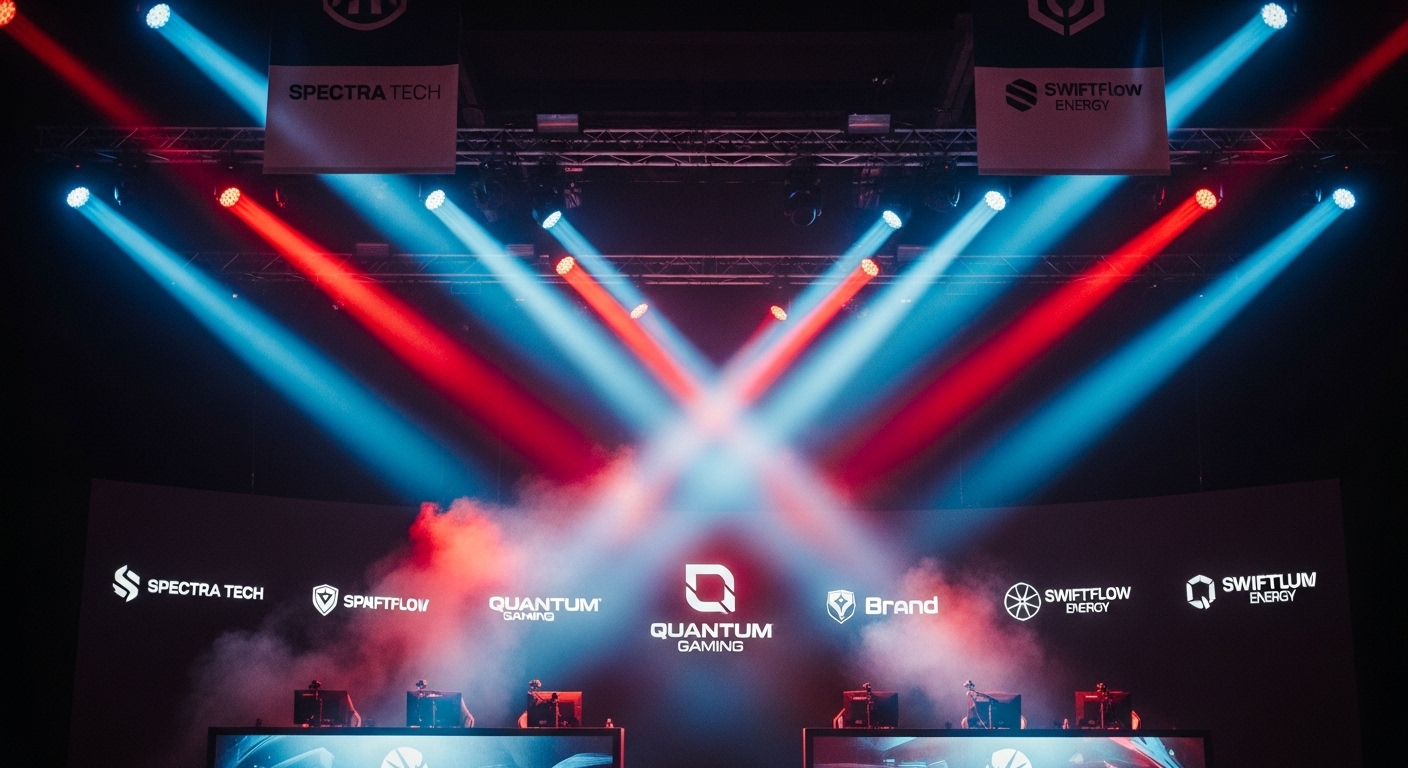
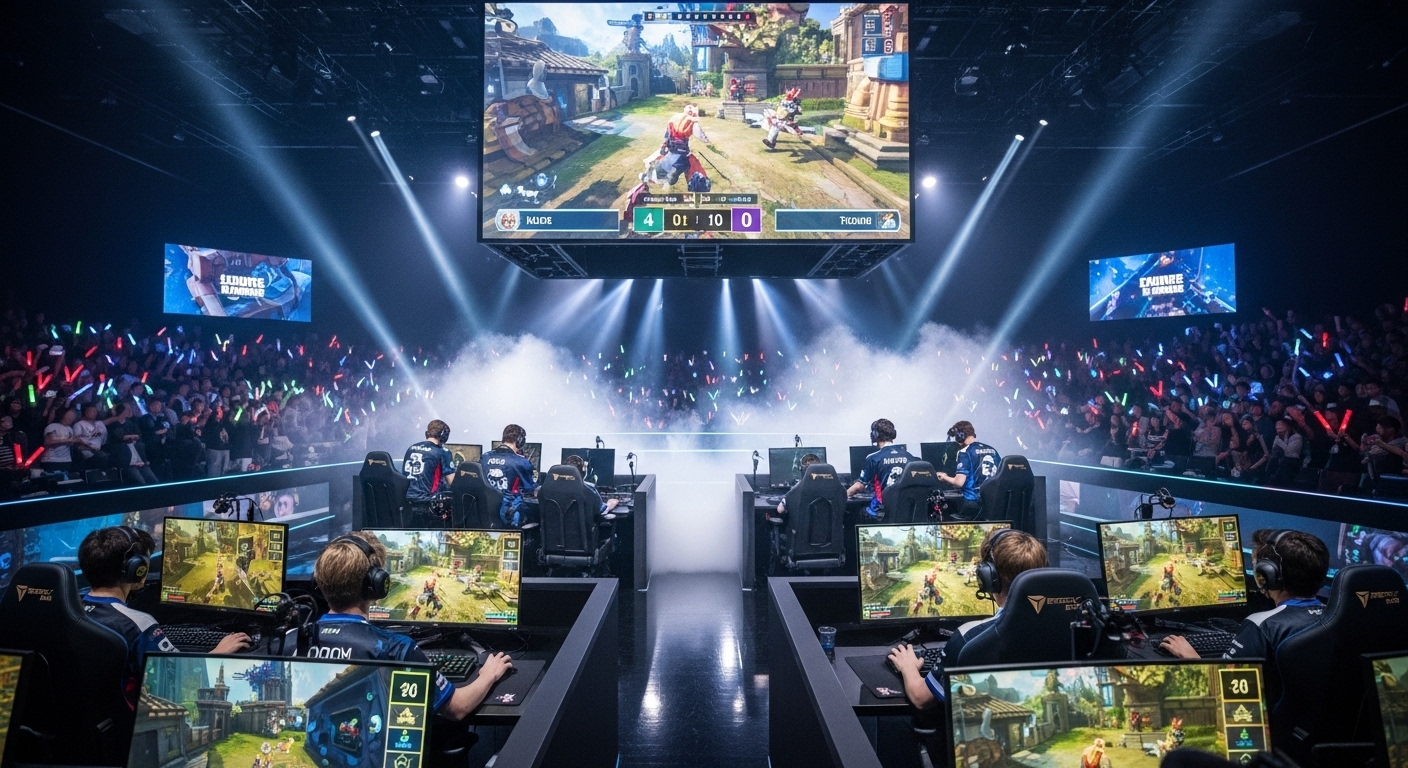
Esports events now rival traditional sporting events in spectacle and production value. Massive tournaments like the League of Legends Worlds or The International are hosted in arenas filled with cheering fans, complete with elaborate stage designs, live commentary, and cutting-edge technology.
Challenges Facing the Esports Industry
Despite its rapid growth, the Esports industry faces several challenges that could impact its long-term stability. One major issue is player burnout. The intense training schedules, constant travel, and pressure to perform can take a toll on mental and physical health. Ensuring sustainable player welfare is becoming a key concern for organizations.
Another challenge lies in the industry’s financial structure. While top-tier tournaments and organizations are profitable, many smaller leagues struggle to sustain themselves. The reliance on sponsorship and advertising revenue makes Esports vulnerable to economic fluctuations.
Regulation and governance are also ongoing concerns. Unlike traditional sports, Esports lacks a unified global governing body. This leads to inconsistencies in rules, contract disputes, and ethical challenges such as cheating and match-fixing. Efforts are being made to establish standardized regulations, but progress varies across regions and games.
Lastly, inclusivity remains an important issue. While gaming is accessible to people of all backgrounds, professional Esports still struggles with diversity in gender representation and accessibility. Promoting inclusivity and equal opportunities is crucial for the industry’s future growth.
The Future of Esports
Looking ahead, Esports shows no signs of slowing down. Advancements in technology such as virtual reality (VR), augmented reality (AR), and artificial intelligence (AI) will further enhance competitive gaming experiences. VR tournaments could introduce new genres of physical Esports, blending athleticism with gaming skill.
The integration of blockchain and digital ownership may also transform how players and fans interact with the industry. Concepts like non-fungible tokens (NFTs) and decentralized fan engagement platforms could open new revenue models.
Esports’ inclusion in global sporting events like the Asian Games and potential Olympic recognition underscores its legitimacy as a competitive discipline. As audiences continue to grow, Esports will likely become a permanent fixture of mainstream entertainment and culture.
Conclusion
The rise of Esports marks one of the most significant cultural revolutions of the digital era. What began as friendly competitions among gamers has evolved into an international spectacle that rivals traditional sports in popularity, professionalism, and prestige. It has created new forms of entertainment, redefined community, and opened career paths that were once unimaginable.
As technology continues to advance and society becomes increasingly digital, Esports will only continue to expand its influence. It stands as a testament to human creativity, competition, and connection — a new frontier where passion and innovation converge. The journey of Esports is far from over; in many ways, it has only just begun.