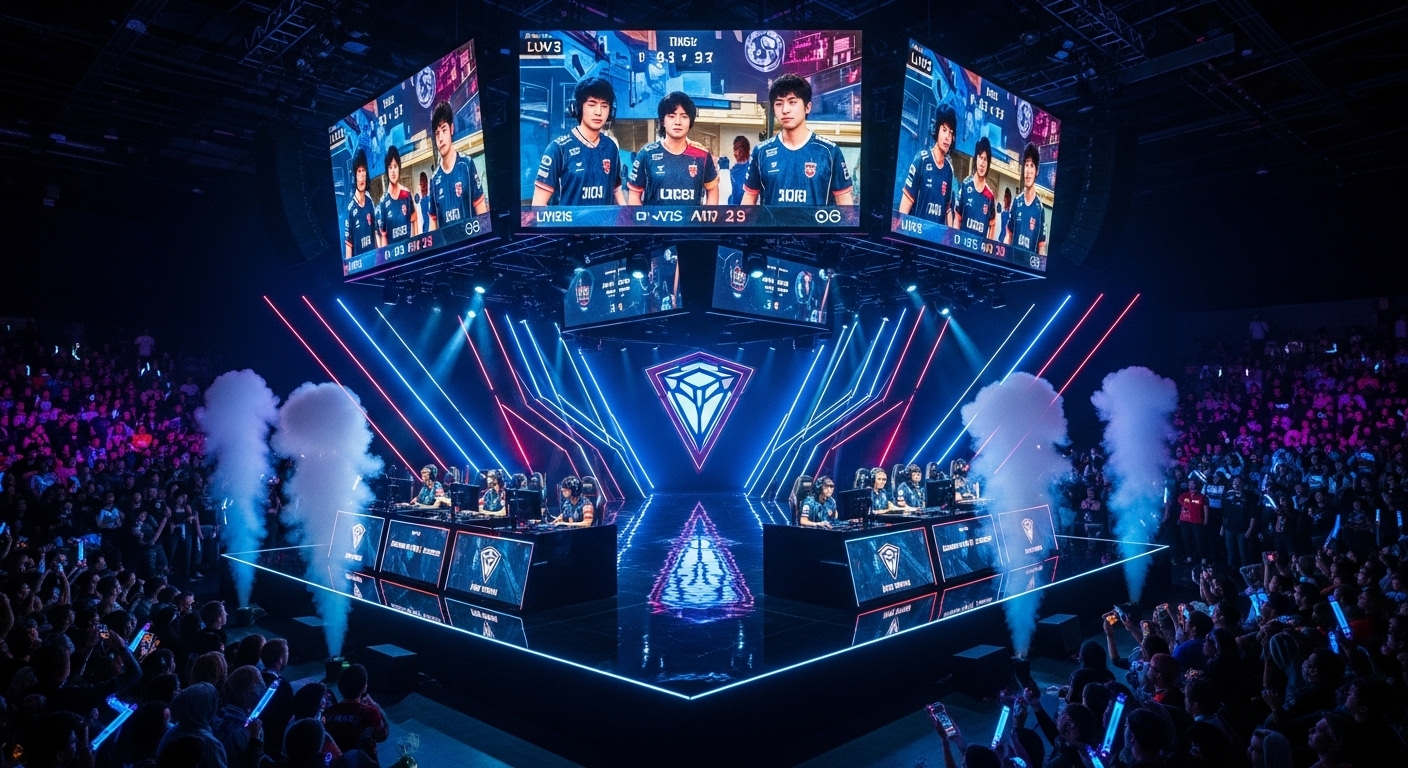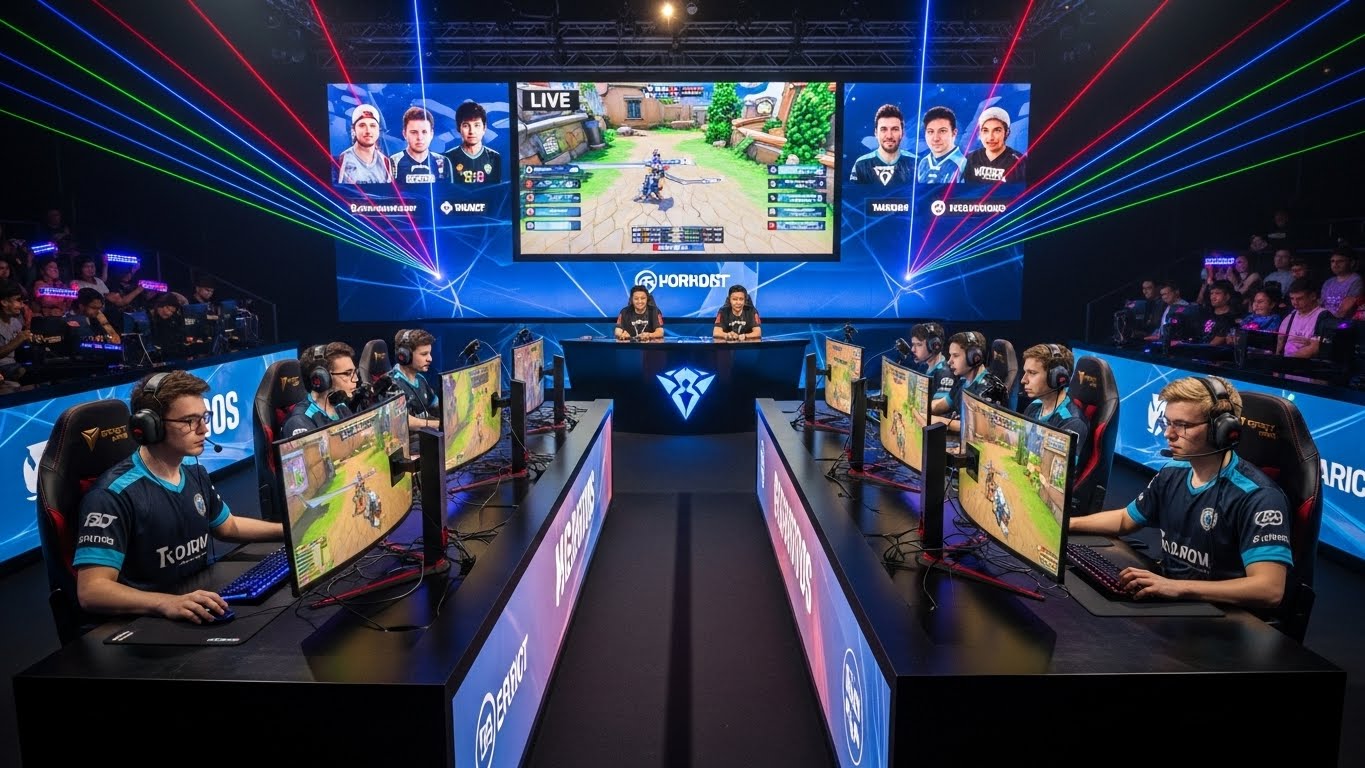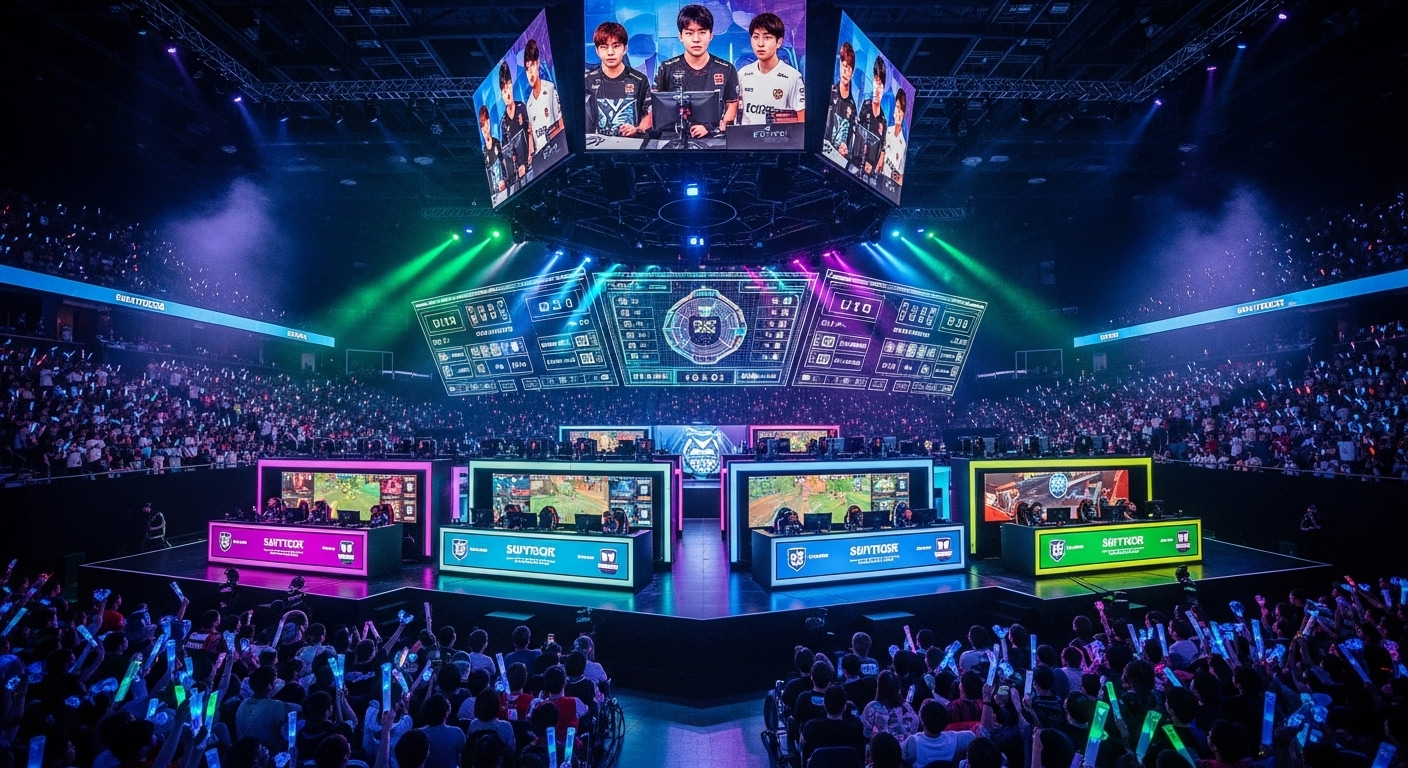
Esports, once considered a niche interest for passionate gamers, has evolved into a worldwide phenomenon. Over the past few decades, competitive video gaming has grown from informal tournaments in basements to major international events broadcast to millions of viewers. Today, esports is a multi-billion-dollar industry, with professional teams, sponsorships, media rights, and a growing fan base that rivals traditional sports in popularity. In this blog post, we explore the rise of esports, its impact on the gaming industry, and how it is shaping the future of entertainment.
The Birth of Esports: Early Days and Grassroots Culture
Esports has its roots in the early days of video gaming, when players competed against one another in small tournaments and competitions. These grassroots events were often held at local arcades, college campuses, or community centers, where players gathered to showcase their skills in games like “Street Fighter” and “Quake.” The first recognized esports event was the 1997 Red Annihilation tournament for the game “Quake,” where the winner, Johnathan “Fatal1ty” Wendel, earned a significant cash prize, marking the beginning of esports as a competitive pursuit.
As the internet and online gaming evolved, so did the scope of these competitions. Players could now compete against one another from different locations, expanding the reach of esports beyond localized tournaments. The early 2000s saw the rise of major gaming titles like “StarCraft,” “Warcraft III,” and “Counter-Strike,” which helped establish esports as a legitimate competitive sport, laying the foundation for professional leagues and international competitions.
The Growth of Esports: From Niche to Mainstream
What began as small, community-driven competitions soon became a global spectacle. In the mid-2000s, esports entered a period of rapid growth. Platforms like Twitch and YouTube provided a place for fans to watch live streams of tournaments, while gaming companies began to invest heavily in creating professional leagues and offering substantial prize pools. Games like “League of Legends,” “Dota 2,” and “Overwatch” attracted millions of viewers, and the rise of streaming platforms gave gamers the opportunity to connect with audiences in real time.
The turning point for esports came in 2011, when Major League Gaming (MLG) began to establish itself as the leading organization for competitive gaming events. By 2013, esports events were regularly attracting tens of thousands of spectators, both in-person and online. The growing popularity of games like “League of Legends” also led to the creation of international leagues such as the League of Legends Championship Series (LCS), with professional teams representing various regions around the world. Esports tournaments began to be broadcast on mainstream television channels and covered by major media outlets, bringing gaming to the forefront of popular culture.
The Economic Boom of Esports
Esports is no longer just about the players; it’s a massive business ecosystem. The industry now generates billions of dollars annually, driven by sponsorships, advertising, ticket sales, media rights, and merchandise. Brands across various sectors, from technology to fast food, are now sponsoring esports teams and tournaments, recognizing the immense marketing potential of the esports audience. Companies like Intel, Coca-Cola, and Nike have invested heavily in esports, and sponsorship deals have become an essential revenue stream for professional teams and event organizers.
The rise of esports also led to the creation of dedicated media outlets, including esports-specific networks and content creators. Major media platforms like ESPN and Turner Broadcasting have incorporated esports into their programming, bringing even more visibility to the competitive gaming world. In addition, the advent of streaming platforms like Twitch and YouTube Gaming has opened up new revenue streams, with top streamers earning millions through sponsorships, donations, and ad revenue.
In 2020, the global esports market was valued at over $1 billion, and it continues to grow each year. The business of esports has extended beyond the games themselves, influencing areas such as technology development, event production, and content creation. Gaming hardware manufacturers, such as Logitech and Razer, have also entered the esports scene, creating products designed specifically for professional players and gaming enthusiasts.
The Rise of Professional Esports Athletes
As esports has grown, so too has the recognition of professional gamers as legitimate athletes. The best players are now regarded as skilled professionals, much like athletes in traditional sports. Some gamers have even gained celebrity status, earning substantial salaries, sponsorships, and media deals. Players like “Faker” (Lee Sang-hyeok), “Ninja” (Tyler Blevins), and “S1mple” (Aleksandr Kostyliev) are household names in the gaming world, drawing millions of fans and viewers.
Esports athletes undergo extensive training and practice, just like athletes in traditional sports. Many professional players train for hours each day, refining their skills, strategizing, and improving their in-game communication. While physical fitness is not as emphasized in esports as it is in traditional sports, cognitive abilities such as reflexes, decision-making, and teamwork are crucial to success. As a result, esports organizations have started offering specialized coaching, nutrition, and mental health support for players to optimize their performance.
The Role of Esports in Education and Scholarships
Esports has also found its place in the education sector, with more and more schools and universities offering esports programs and scholarships. Esports has become a legitimate career path for students, with academic institutions recognizing the growing popularity and potential of competitive gaming. In the United States alone, there are now hundreds of colleges offering esports scholarships, with some schools even building state-of-the-art arenas and providing full scholarships to top players.
Esports in education goes beyond scholarships. Many universities have established esports teams that compete in regional and national leagues, helping students develop teamwork, communication, and leadership skills. These programs also allow students to explore careers in game design, event management, marketing, and broadcasting — all of which are vital components of the esports ecosystem.
In addition, esports is being integrated into educational curricula as a way to engage students in STEM (science, technology, engineering, and mathematics) subjects. Game development and coding classes are becoming increasingly popular, giving students the skills they need to enter the rapidly growing tech industry. Esports has proven to be an excellent tool for encouraging learning in a fun and interactive way.
The Global Appeal and Cultural Impact of Esports
One of the most fascinating aspects of esports is its global appeal. Unlike traditional sports, where regional boundaries often define the fanbase, esports has an inherently international nature. Players, teams, and fans come together from all corners of the world to compete in global tournaments, and the barriers between countries are blurred. Whether it’s a tournament in South Korea, North America, or Europe, esports brings people together through a shared passion for gaming.
Esports has also had a significant cultural impact, influencing mainstream entertainment, fashion, and even music. Many esports events feature live performances from artists, while the esports community has its own unique fashion trends, memes, and online culture. Streaming platforms like Twitch have enabled esports fans to connect with their favorite players and teams, creating an interactive and engaging fan experience.
Esports has also played a role in changing perceptions about gaming. No longer seen as a solitary activity for teenagers, esports has become a platform for all ages, backgrounds, and genders. As esports continues to grow, its influence on global culture will only increase, breaking down the traditional boundaries of entertainment and creating new forms of connection and engagement.
The Future of Esports: What Lies Ahead?
As esports continues to expand, the future looks bright for the industry. The potential for even larger global tournaments, greater integration with traditional sports, and new technological advancements is exciting. Virtual and augmented reality could add immersive layers to esports experiences, while innovations in artificial intelligence and game design could make future competitions even more dynamic and engaging.
Moreover, the increasing legitimacy of esports as a career path will lead to more opportunities for players, content creators, and industry professionals. The growth of esports betting, fantasy leagues, and new forms of fan engagement will also contribute to the ongoing development of the ecosystem. As esports become an established part of global entertainment, it may one day rival traditional sports in terms of viewership, revenue, and cultural impact.
Conclusion: The Enduring Legacy of Esports
Esports has come a long way from its humble beginnings, and it shows no signs of slowing down. What started as a hobby for gamers has blossomed into a worldwide industry that is transforming the way we view entertainment, competition, and even careers. With its global appeal, diverse player base, and vast business potential, esports is shaping the future of sports and entertainment.
As the industry continues to evolve, it will undoubtedly bring new opportunities, challenges, and innovations. One thing is for certain: esports is here to stay, and it will continue to captivate millions of fans and players around the world for years to come.