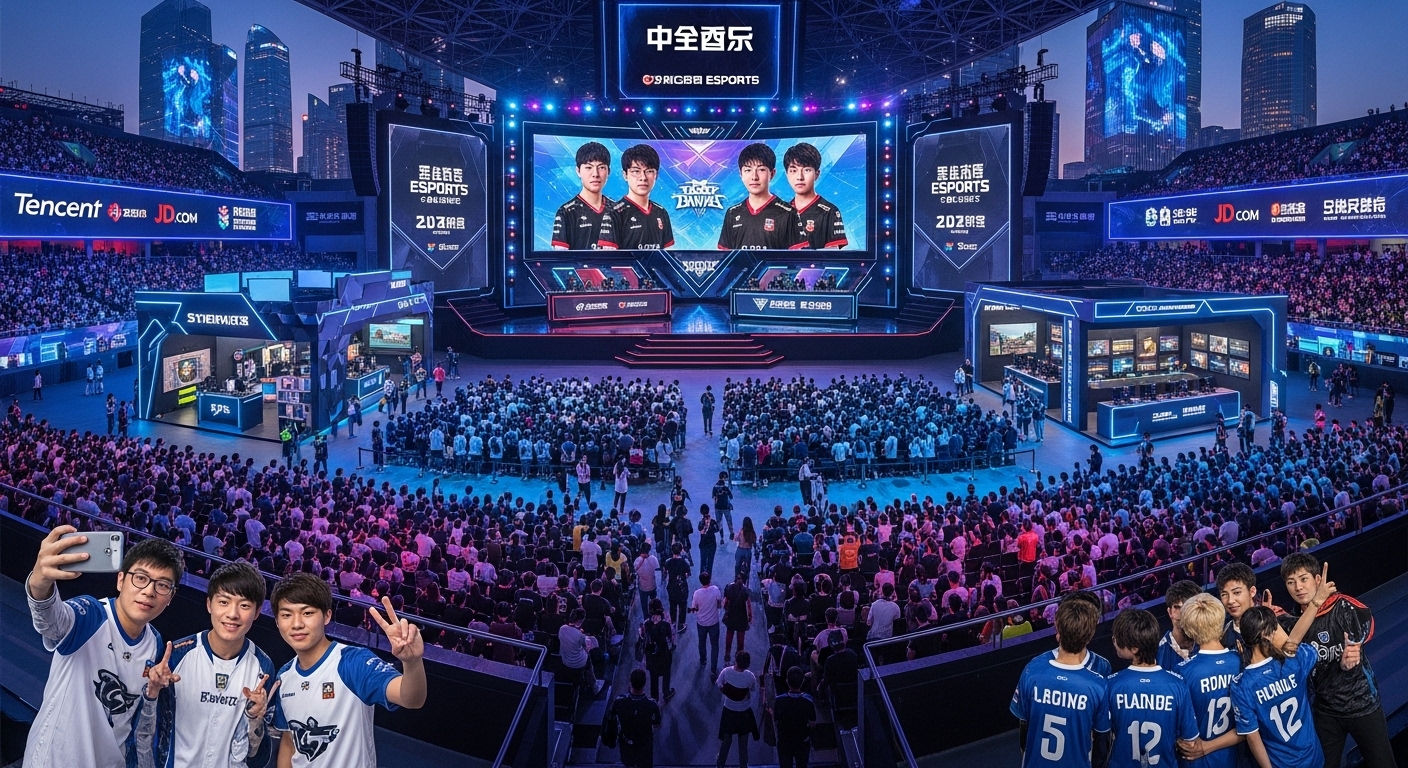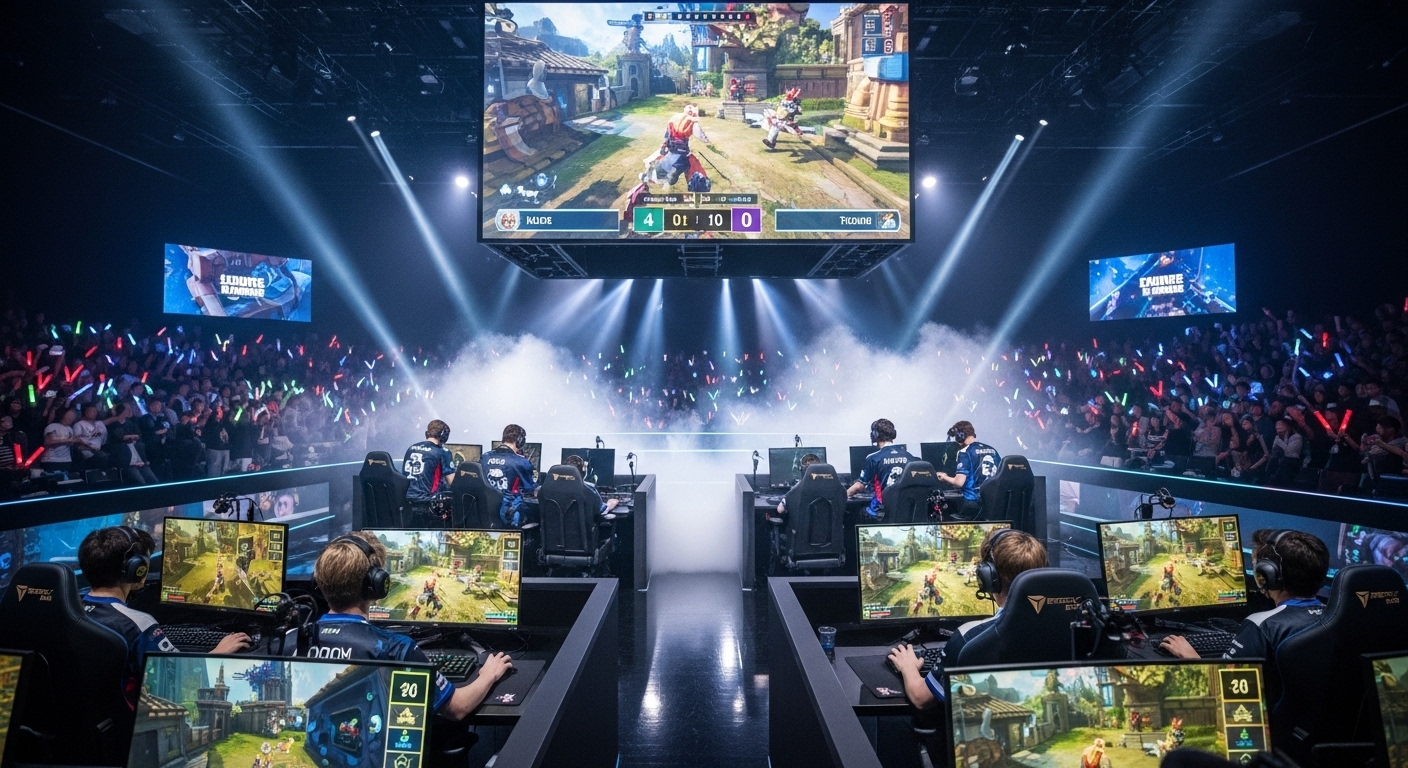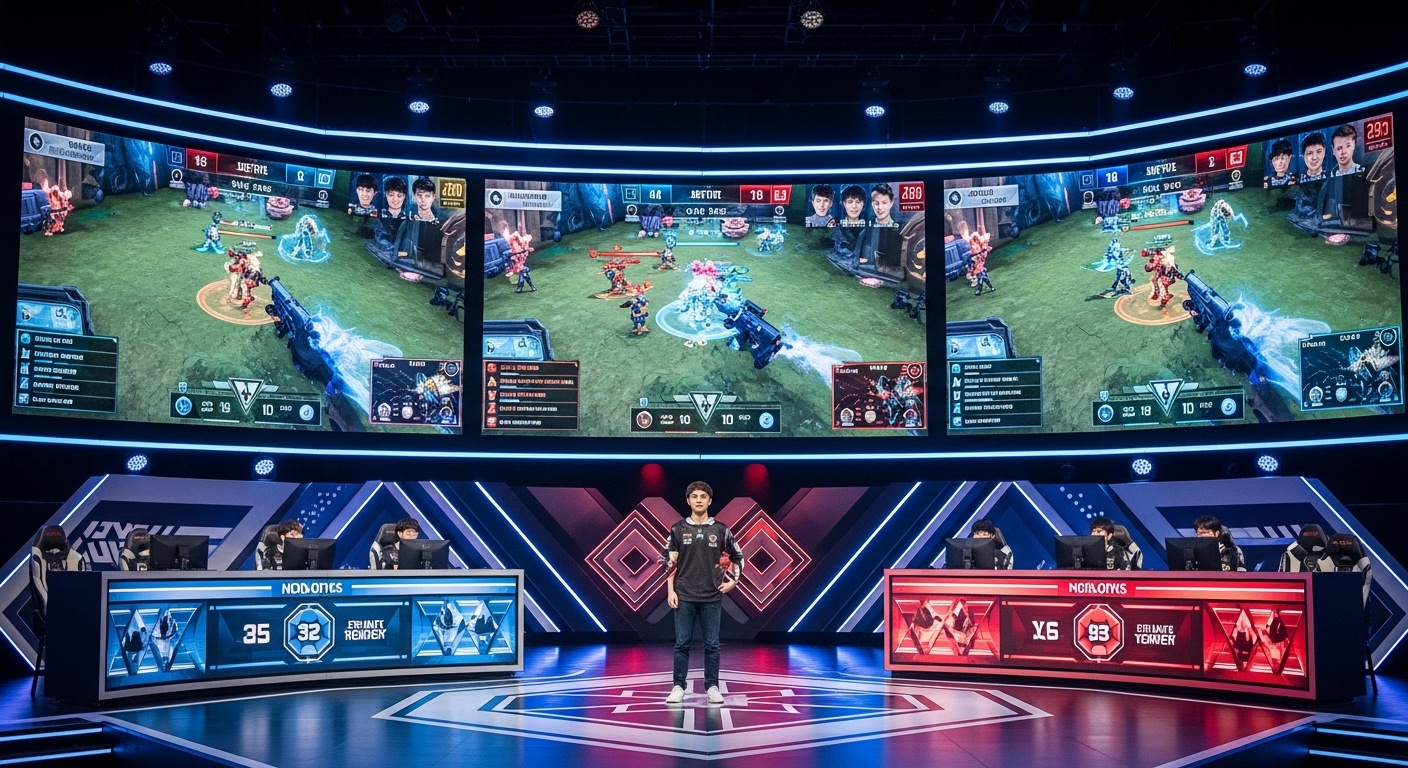
In recent years, esports has exploded into a global phenomenon, captivating millions of viewers and providing a professional platform for gamers worldwide. Once considered a hobby, competitive gaming has grown into a multi-billion-dollar industry, drawing significant attention from not only gamers but also investors, media, and brands. In this blog post, we will explore the rise of esports, its impact on traditional sports, and the trends that are shaping the future of competitive gaming.
The Origins of Esports: From Casual Play to Competition
Esports, short for electronic sports, traces its origins back to the early 1970s. The first known video game competition, the “Space Invaders Championship,” was held in 1980, drawing 10,000 participants. However, it wasn’t until the late 1990s and early 2000s that competitive gaming began to take shape on a larger scale. Games like StarCraft, Quake, and Warcraft became the backbone of early esports tournaments, fostering the competitive spirit that would grow the industry.
At this time, esports was still a hobbyist activity, with tournaments often organized by local gaming communities. The competitions were relatively small and unstructured, but they laid the groundwork for what would become a global competitive scene. Gamers from across the world came together online to compete in tournaments, setting the stage for the digital revolution that would soon follow.
The Streaming Revolution: Bringing Esports to the Masses
The true turning point for esports came in the late 2000s and early 2010s with the advent of streaming platforms like Twitch and YouTube. These platforms allowed professional players and enthusiasts alike to broadcast their gameplay to a global audience, giving rise to a new form of entertainment that blurred the lines between traditional sports and digital gaming.
Games like League of Legends, Dota 2, and Counter-Strike: Global Offensive became the cornerstone of esports, attracting millions of viewers from all over the world. As tournaments grew in scale, so did the prize pools. The Dota 2 International, for instance, set a record for the largest prize pool in esports history, surpassing $40 million. This rapid growth in viewership and prize money signaled to the world that esports was no longer just a subculture—it was a legitimate form of entertainment.
Streaming platforms like Twitch played a key role in expanding the reach of esports. With over 15 million daily active users, Twitch has become the hub for esports viewing, with top streamers earning substantial incomes through sponsorships, ads, and fan donations. This shift to digital viewing allowed esports to reach new audiences, including those who may not have had access to live events.
Esports as a Multi-Billion Dollar Industry
The growth of esports has been nothing short of extraordinary. Today, the esports industry is projected to be worth over $1.5 billion, with sponsorships, advertising, media rights, and merchandise contributing to its massive revenue stream. Major companies, including Intel, Coca-Cola, Red Bull, and Nike, now invest heavily in esports, recognizing its growing influence and commercial potential.
Esports has also garnered attention from traditional sports organizations. The NBA, NFL, and even Formula 1 have entered the esports space, creating their own competitive leagues based on popular video games. For example, the NBA 2K League allows professional basketball players to compete in the NBA 2K video game, creating an entirely new layer of engagement with fans.
The economic impact of esports is also felt in local economies. Cities that host major tournaments, such as The League of Legends World Championship or The Overwatch League, see an influx of visitors, boosting tourism and local business. Additionally, the rise of esports arenas—dedicated venues for esports events—has provided a boost to the hospitality and entertainment industries.
The Cultural Phenomenon: Esports and Society
Esports is more than just a business; it has become a cultural force that transcends national borders and unites people from all walks of life. Unlike traditional sports, esports is not constrained by geography, and players from every corner of the world can compete at the highest level. Esports fandoms are global, with millions of fans tuning in to watch their favorite players and teams battle it out for glory.
Esports also plays a significant role in social interaction. Streaming platforms allow fans to engage directly with players, participate in live chat rooms, and interact through social media. This creates a sense of community, where fans feel like they are part of something bigger than just a game. The “fan experience” in esports is unique in that it’s not just about watching the game; it’s about being involved in the process, whether it’s cheering for your team or donating to your favorite streamer.
Furthermore, esports has created a pathway for young people to build careers in gaming. Many universities now offer scholarships for esports athletes, and competitive gaming has become a legitimate career path for individuals with the skill and determination to succeed. This cultural shift has also led to increased interest in gaming as a career, with more people pursuing professions in game development, event management, broadcasting, and marketing.
Esports and Traditional Sports: A New Rivalry or Synergy?
As esports has grown, it has drawn comparisons to traditional sports. Both share common elements—competition, skill development, teamwork, and the thrill of victory. However, there are significant differences between the two. Esports has made its mark as a digital-first, technology-driven experience, while traditional sports remain rooted in physical activity. That said, the two are increasingly converging.
Many traditional sports organizations have begun investing in esports. For example, FC Barcelona and Manchester City have established esports teams to compete in games like FIFA and eFootball. The NBA 2K League has also allowed professional basketball players to connect with fans through virtual competitions. Esports and traditional sports are not in competition; rather, they are complementing one another, offering fans a more diverse and rich entertainment experience.
This convergence has also opened up new avenues for sponsorships, as brands see the potential to reach both sports and esports audiences simultaneously. As a result, esports has begun to garner the same level of respect and visibility as traditional sports, further legitimizing its place in the entertainment world.
The Future of Esports: Challenges and Opportunities
Looking ahead, the future of esports is filled with opportunities but also challenges. One of the key issues facing the industry is the mental and physical health of players. The intense practice schedules and the pressure to perform at the highest level can take a toll on players’ well-being. As esports continues to evolve, there will need to be more focus on player health, including better training routines, mental health support, and career longevity.
Another challenge is the sustainability of esports. While the industry is growing rapidly, it will need to ensure that it maintains its momentum. This includes developing new games, expanding to emerging markets, and keeping fans engaged with fresh and innovative content. The future of esports will also rely on technological advancements, such as virtual reality (VR) and augmented reality (AR), which could revolutionize the way tournaments are experienced by both players and viewers.
Despite these challenges, the opportunities for growth are immense. Esports is still in its early stages, and its full potential has yet to be realized. As more people embrace gaming as a mainstream form of entertainment, the industry will continue to expand its reach. With new games, technologies, and international markets on the horizon, the future of esports looks brighter than ever.
Conclusion: A New Era for Competitive Gaming
Esports has come a long way since its humble beginnings. What was once a niche activity for a small group of enthusiasts has blossomed into a global, multi-billion-dollar industry that has captured the hearts and minds of millions. Its growth has been fueled by technological advancements, the rise of streaming platforms, and the increasing cultural acceptance of gaming as a legitimate form of entertainment.
Esports is not just a trend; it’s a new era in competitive gaming, and its influence will only continue to expand. Whether you’re a hardcore gamer, a casual viewer, or someone just discovering the world of esports, one thing is clear: this is just the beginning of something much bigger. The world of competitive gaming has officially arrived, and it’s here to stay.