eSports has evolved rapidly from a niche pastime to a global phenomenon that spans continents, genres, and platforms. What started as competitive gaming between a small group of enthusiasts is now a multibillion-dollar industry with millions of fans and professional players. As eSports continues to grow, it’s clear that it’s reshaping the way we think about both sports and entertainment. But what is it that makes eSports so captivating, and how has it changed the world of gaming forever?
The Origins of eSports: From Casual Play to Professional Leagues
eSports’ journey can be traced back to the early days of competitive gaming, where players would gather in local tournaments or compete in online multiplayer games. Games like StarCraft, Quake, and Warcraft were among the first to spark the competitive spirit that would fuel the future of digital sports. These early competitions were typically small-scale, but as internet speeds improved and gaming communities grew, competitive gaming became more accessible and organized.
By the early 2000s, major tournaments like the World Cyber Games and Electronic Sports World Cup began to gain traction, attracting both players and spectators from around the world. What was once a niche hobby was now growing into a competitive scene with the potential for global appeal. Today, eSports is a full-fledged industry with professional teams, sponsors, and massive prize pools.
Why eSports is So Popular: A New Type of Sport for a Digital Generation
The rise of eSports is tied directly to the increasing digitalization of entertainment. With the advent of faster internet connections, high-definition streaming, and the accessibility of multiplayer online games, the competitive gaming scene has exploded. But it’s not just the technology that’s fueling the rise of eSports—it’s also the unique aspects of gaming that appeal to modern audiences.
eSports offers a level of interactivity that traditional sports cannot. Fans aren’t just watching a game; they’re participating in the experience by following their favorite players, teams, and tournaments in real time. Whether through live streams, social media platforms, or fan interactions, eSports creates a two-way relationship between players and their audience.
Unlike traditional sports, which can require years of physical training and a commitment to a specific discipline, anyone with a decent computer and internet connection can enter the eSports world. This democratization of competition is one reason why eSports is so popular among younger generations. It allows people from diverse backgrounds to engage in competitive play, with the potential to become professional players in their chosen games.
The Economic Power of eSports
Over the last few years, the financial growth of eSports has been staggering. From sponsorships with major brands like Coca-Cola, Intel, and Red Bull, to huge prize pools in tournaments like The International for Dota 2, the economic impact of eSports is undeniable. In fact, the global eSports market is expected to surpass $1 billion in revenue in the coming years, driven by advertising, media rights, merchandise, and live event ticket sales.
Professional players are now earning substantial salaries, many of which rival those of traditional sports athletes. In addition to tournament earnings, players can also make money from streaming their gameplay, brand partnerships, and content creation. Teams, too, have expanded into international organizations with full rosters, coaches, and analysts, mirroring the structure of professional sports teams.
Streaming: The Heartbeat of eSports
One of the key factors in the success of eSports is the ability to stream live events and gameplay to a global audience. Platforms like Twitch, YouTube Gaming, and Facebook Gaming have made it possible for millions of viewers to tune into live matches, follow their favorite players, and engage with the eSports community. The rise of live streaming has also allowed players to build personal brands, creating opportunities for sponsorships and collaborations with major companies.
For fans, streaming offers a unique, interactive experience. Viewers can chat with each other in real time, discuss strategies, and cheer for their teams. This level of engagement has created a sense of community that traditional sports are only beginning to replicate in digital spaces. For players, streaming offers not only a platform for exposure but also a revenue stream through ads, donations, and subscription-based models.
The Professionalization of eSports
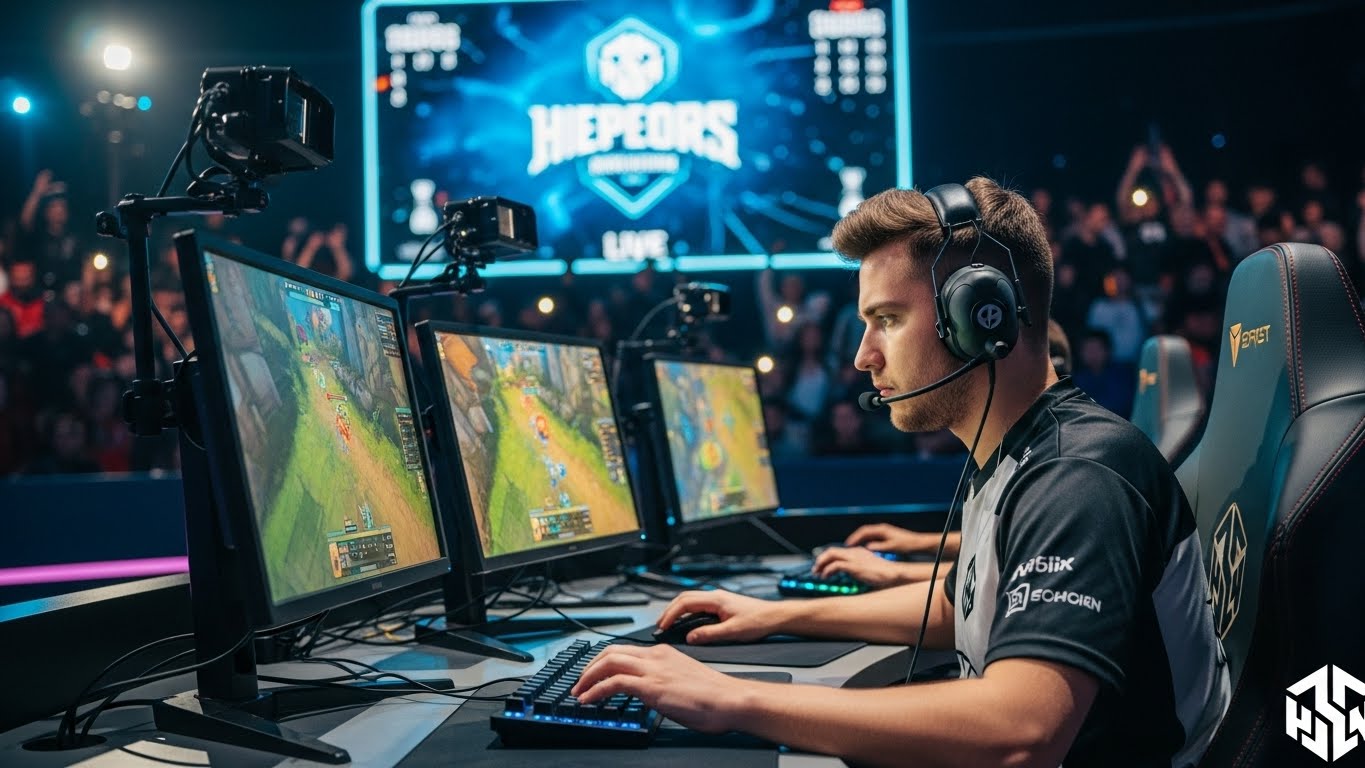
Today’s eSports players are more than just gamers—they are athletes in their own right. The life of a professional eSports player involves intense training, practice, and strategy development. Players often spend hours daily perfecting their gameplay, analyzing opponents, and collaborating with their teams. Coaches and analysts play a critical role in helping players reach peak performance, making eSports teams highly structured organizations.
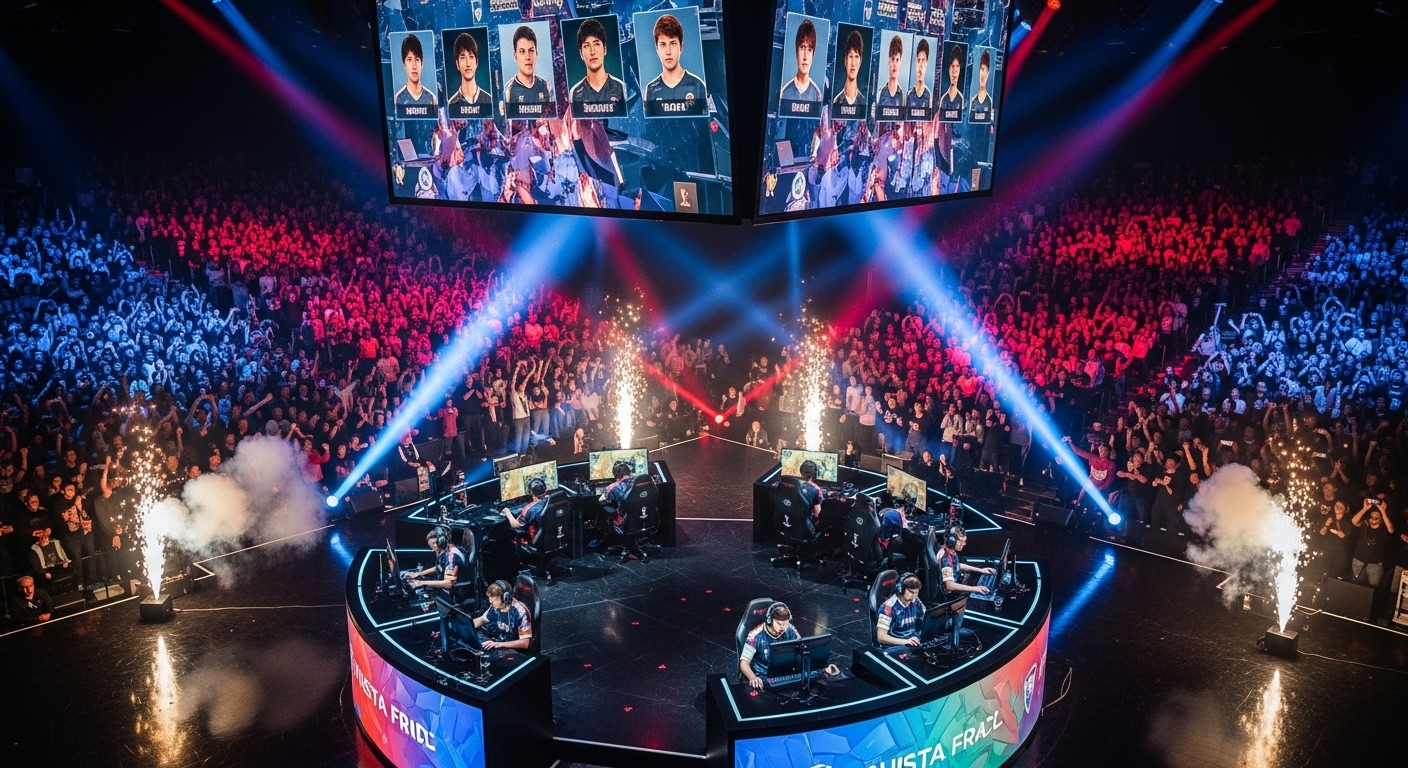
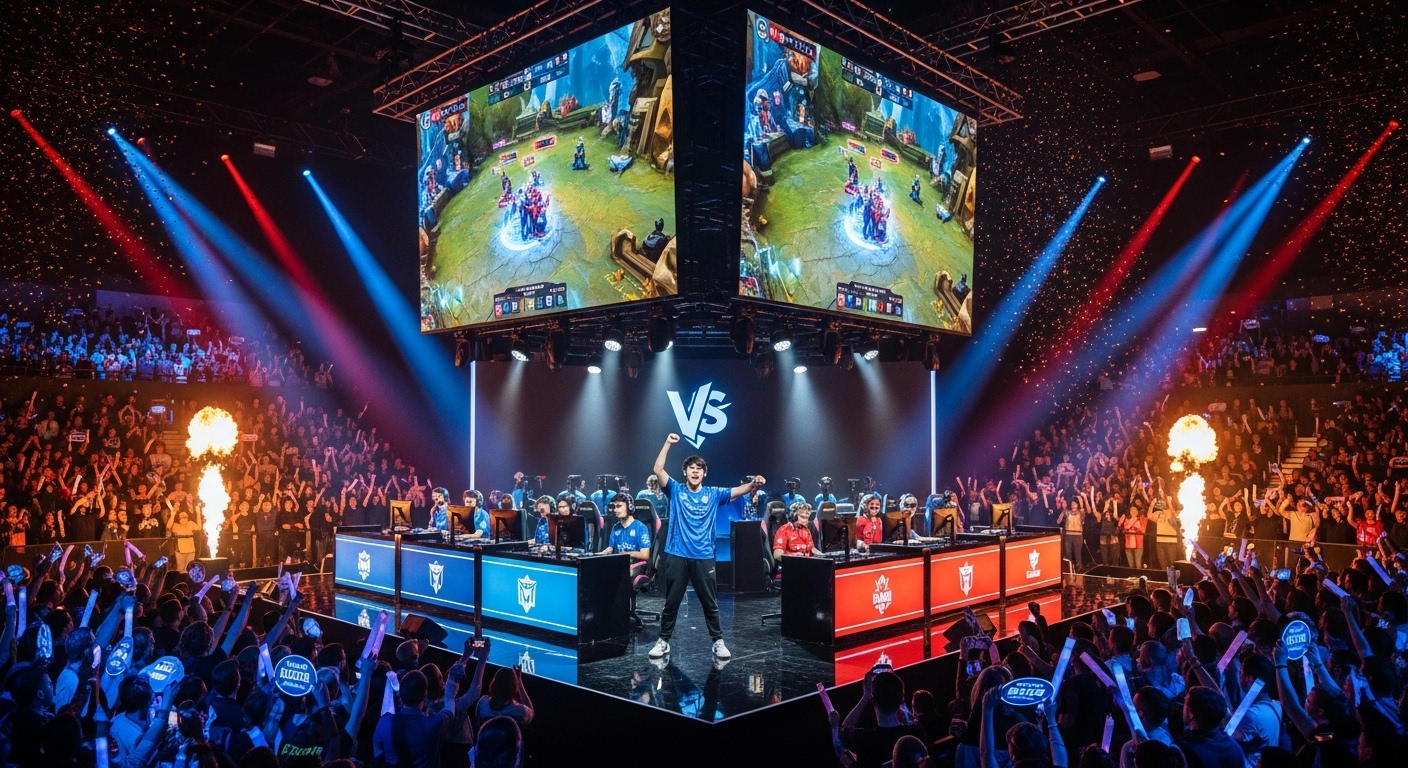
This professionalization has led to greater legitimacy for eSports, with many players enjoying the same level of celebrity as traditional athletes. Large-scale tournaments such as The League of Legends World Championship, The International, and Fortnite World Cup offer multi-million-dollar prize pools, attracting the best players in the world to compete at the highest levels.
Diversity and Inclusivity: Breaking Down Barriers
While eSports has made strides in terms of inclusivity, it still faces challenges in fostering a diverse and welcoming environment. The competitive gaming world has historically been male-dominated, and female gamers often encounter barriers ranging from bias to harassment. However, as the popularity of eSports continues to rise, more efforts are being made to make the scene more inclusive.
Female-focused tournaments, increased representation in broadcasting, and initiatives that encourage diversity in gaming communities are gradually shifting the landscape. With the rise of games that attract a broader audience and the increasing focus on social responsibility in the industry, eSports is taking steps to become more inclusive for players of all backgrounds, genders, and skill levels.
The Future of eSports: A Digital Frontier
The future of eSports is bright, with numerous innovations on the horizon. The development of virtual reality (VR) and augmented reality (AR) could lead to entirely new forms of gaming competition, offering a more immersive and interactive experience. As gaming hardware continues to improve, the quality of competitive gaming will only get better, enabling players to push the limits of their skills.
Additionally, as eSports gains recognition and respect, it may continue to merge with traditional sports. Some professional sports leagues have already started investing in eSports, and as the two worlds collide, we may see more crossovers and hybrid events that bring together fans of both sports and digital gaming.
Moreover, with increasing attention from universities, eSports is beginning to be recognized as a legitimate career path. Scholarships, academic programs, and collegiate leagues are sprouting up around the world, allowing young players to pursue their passion for gaming while gaining an education.
Conclusion: eSports is Here to Stay
eSports is more than just a trend—it’s a cultural shift in the world of competition and entertainment. With its global reach, financial power, and dynamic community, eSports has earned its place as a mainstream form of sport. Whether you’re a passionate player, an avid fan, or simply curious about the phenomenon, one thing is certain: eSports is only getting bigger. As technology advances and the gaming community continues to grow, we are only scratching the surface of what’s possible in the world of digital competition. The future of eSports is bright, and it’s here to stay.