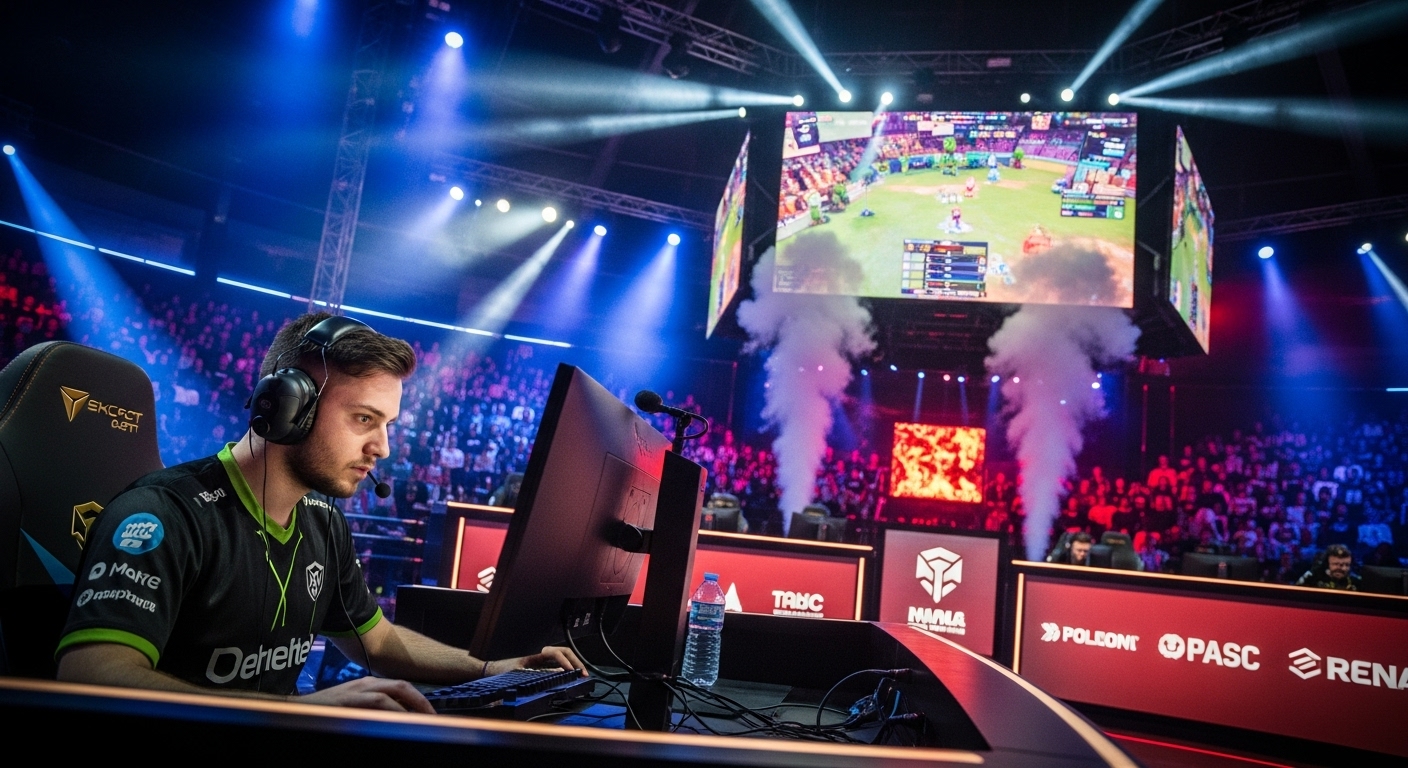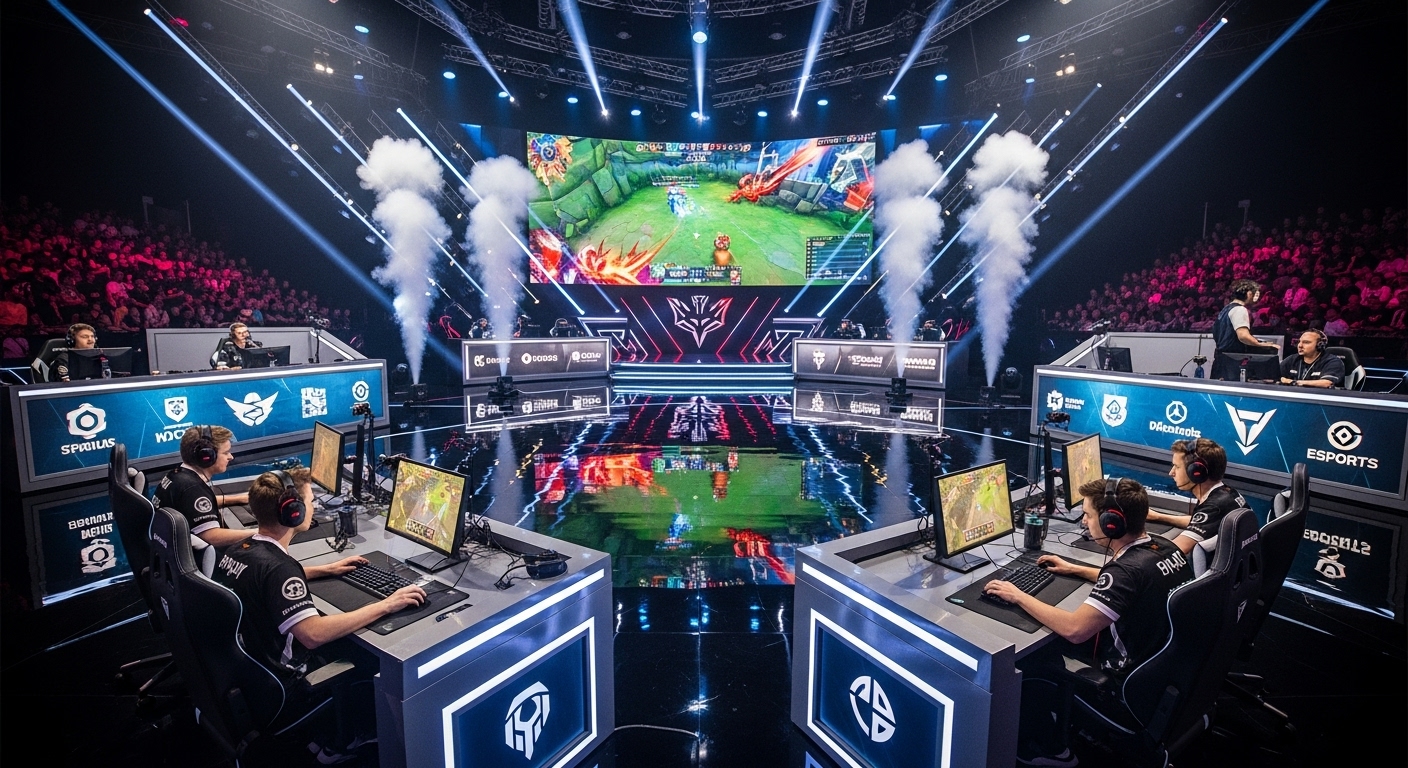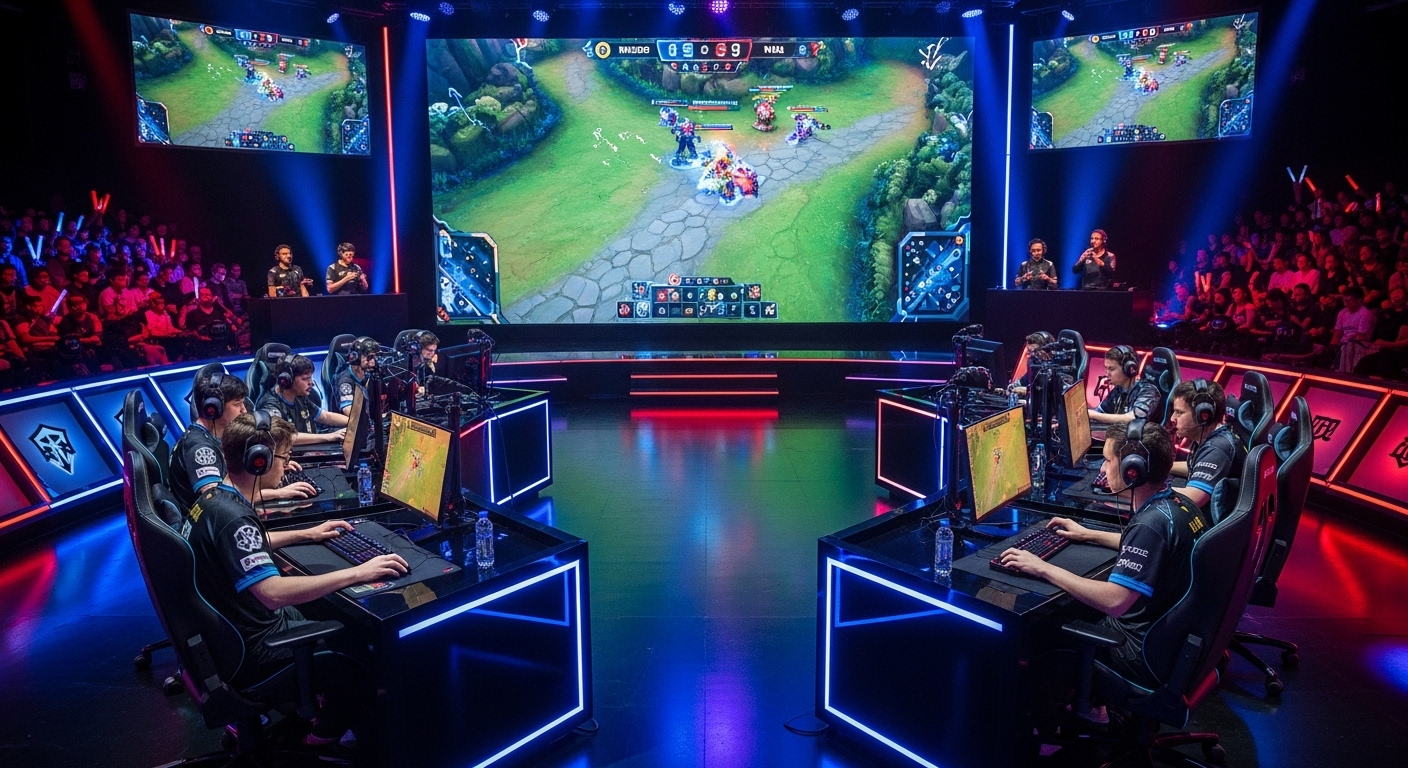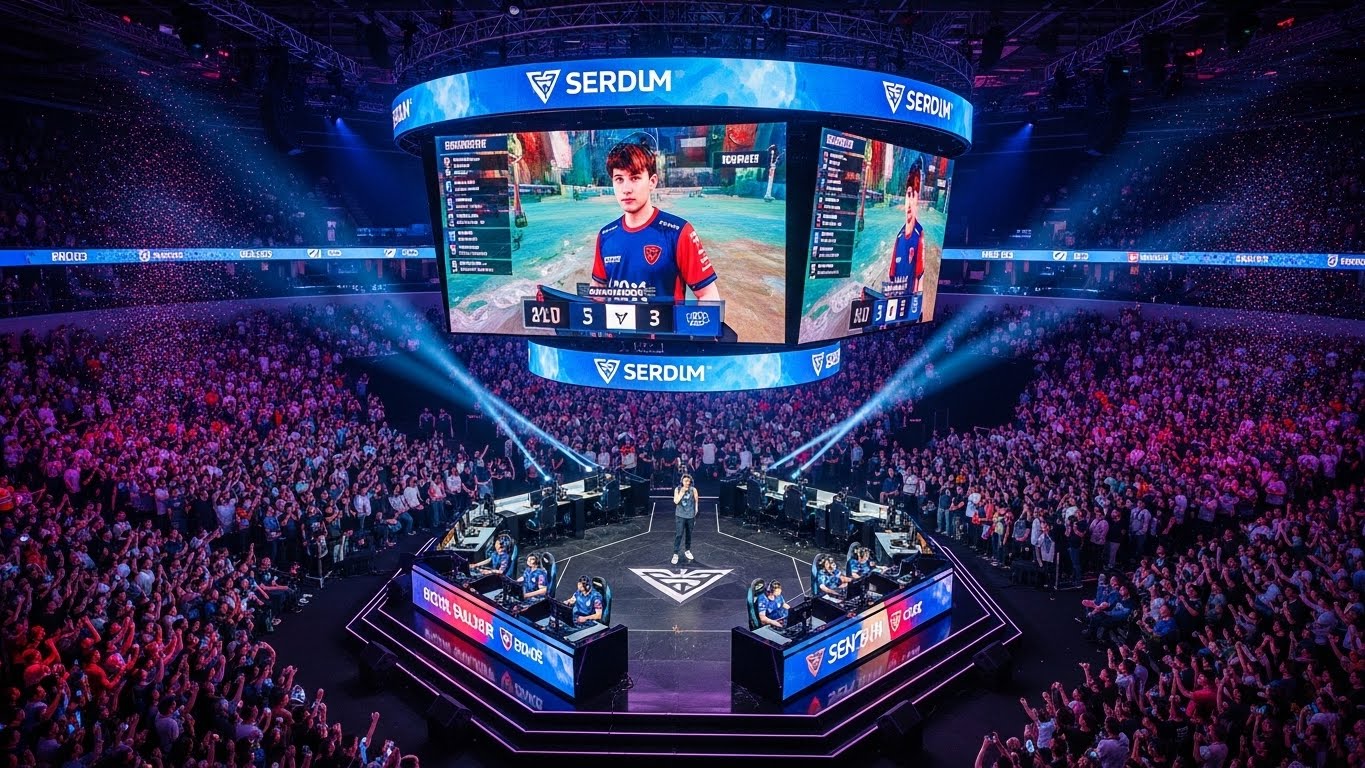
Esports, short for electronic sports, has grown exponentially over the past decade, shifting from a niche pastime to a multi-billion-dollar global phenomenon. What began as casual competitions among friends has transformed into organized, professional tournaments, attracting millions of fans, players, and media outlets worldwide. Esports is now recognized as a legitimate form of competition, and the entire gaming landscape has evolved to support it, with players earning millions, teams building fanbases, and games becoming cultural staples. This blog delves into the rise of esports, the factors that have contributed to its meteoric growth, and its cultural impact on society.
The Origins and Evolution of Esports
The history of esports can be traced back to the late 20th century when competitive gaming was first introduced. The first-ever major gaming competition was held in 1972 at Stanford University, where students competed in a game called Spacewar. While this event was small-scale and limited to a single game, it marked the beginning of competitive gaming. As personal computers became more widespread, gaming became a favorite pastime, and multiplayer games emerged. In the 1990s, games like Doom and Warcraft II introduced online multiplayer modes, laying the groundwork for modern esports.
In the early 2000s, games like StarCraft and Quake started hosting tournaments, and the growth of the internet allowed players to compete globally. By the time League of Legends was launched in 2009, esports began to gain real traction, with its developer Riot Games creating an ecosystem of leagues and tournaments that mirrored traditional sports leagues. The rise of streaming platforms such as Twitch and YouTube made it easier for fans to follow their favorite players and teams in real-time. Since then, esports has grown into an industry worth billions of dollars, attracting both players and fans from every corner of the globe.
Esports as a Profession
One of the most significant changes in the esports world is the emergence of gaming as a viable career. Esports professionals, much like athletes in traditional sports, dedicate their lives to training, competing, and building a brand. Professional players are part of esports organizations that provide them with salaries, sponsorship deals, and other benefits. The competition is fierce, with players often starting their careers at a young age, and many play for several hours a day to hone their skills and stay competitive.
The career path for an esports player typically begins with online competitions, where players can showcase their skills in games like Dota 2, Counter-Strike: Global Offensive, Overwatch, and Fortnite. As they gain recognition, they are often recruited by professional teams, where they participate in high-stakes tournaments. In addition to playing, professional gamers often serve as content creators, streaming their gameplay on platforms like Twitch, where they can interact with fans and earn revenue through ads, donations, and sponsorships.
For top-tier esports athletes, the earning potential is significant. Prize pools for major esports tournaments can reach millions of dollars, with The International for Dota 2 consistently offering prize pools over $40 million. Furthermore, esports players can earn money from sponsorship deals with global brands such as Nike, Red Bull, and Intel, as well as from merchandise sales, streaming, and even personal brand deals.
The Growth of Esports Viewership
The audience for esports has grown exponentially, driven largely by the rise of online streaming. Platforms like Twitch, YouTube Gaming, and Facebook Gaming have revolutionized how fans engage with esports, allowing them to watch live streams of their favorite games, interact with players, and participate in fan communities. In 2020, the total esports viewership surpassed 450 million people worldwide, with this number expected to continue growing.
Esports events, especially large-scale tournaments, now draw millions of viewers, both online and in-person. Major events such as the League of Legends World Championship, The International for Dota 2, and Overwatch League Finals are broadcast to audiences around the world, with some events even filling up large arenas and stadiums. For example, the League of Legends World Championship Finals in 2018 was held at the Incheon Munhak Stadium in South Korea, with an estimated 99.6 million viewers. This viewership is comparable to major traditional sports events like the Super Bowl, showcasing just how far esports has come in terms of global reach.
Esports events often feature high-quality production values, with professional commentators, analysts, and hosts providing in-depth analysis and exciting commentary. This adds a layer of entertainment that parallels traditional sports broadcasts. In fact, the rise of esports viewership has led to partnerships between esports organizations and traditional media outlets, including television networks and streaming services.
The Impact of Esports on the Gaming Industry
Esports has had a transformative effect on the gaming industry as a whole. Games designed with competitive play in mind, such as League of Legends, Overwatch, and Valorant, have become cultural juggernauts. Esports has made multiplayer games and online play a central focus of game development, leading to an entire ecosystem of competitions, professional teams, and live streams built around these titles.
Game developers are now increasingly focusing on creating games that have esports potential, which means prioritizing balance, longevity, and player engagement. Esports-friendly games are designed to be visually engaging for viewers, strategically deep for players, and accessible to newcomers. Developers are also adding built-in tournament features and tools for both players and fans, which makes it easier to host and watch competitions.
Moreover, the rise of esports has spurred the development of advanced gaming equipment, such as high-performance gaming PCs, custom-built peripherals (keyboards, mice, headsets), and high-refresh-rate monitors. Esports has also driven innovation in streaming technology and platforms, with improvements in stream quality, interactive features, and viewer engagement options. As the esports industry continues to expand, these advancements will help shape the future of gaming as a whole.
Esports and Traditional Sports: The Convergence
While esports started as a distinct form of entertainment, it has increasingly found common ground with traditional sports. The similarities between esports and traditional sports are becoming more apparent every year. Both involve teams of players who compete in high-pressure, high-stakes environments, with well-defined rules and strategies. Both esports and traditional sports offer global competitions, professional leagues, and passionate fanbases.
Many traditional sports organizations have recognized the value of esports and have started investing in it. The NBA, for instance, has established the NBA 2K League, where professional players compete in the NBA 2K video game. The English Premier League has also hosted FIFA tournaments, where esports players simulate football games. These partnerships between traditional sports and esports are helping bridge the gap between two fanbases and are bringing a new audience to both industries.
In addition, esports teams often have structures similar to traditional sports teams, complete with managers, coaches, and analysts who help players prepare for major events. Esports athletes also go through intensive training regimens, including strategy meetings, gameplay analysis, and scrimmages with other teams. This professional structure is indicative of the increasing legitimacy of esports as a competitive sport.
The Social and Cultural Impact of Esports
Esports is not just changing the way we view competition; it is also having a profound cultural impact. The rise of esports has given birth to a global community of players and fans who share a common passion. Whether watching a live-streamed tournament or interacting with players on social media, esports fans have access to a level of engagement and community that is unparalleled.
The sense of belonging within the esports community is a major draw for many fans. Esports fans often form tight-knit online communities, engaging in conversations, sharing content, and supporting their favorite players and teams. These communities are often centered around particular games or franchises, and the relationships formed within them are part of what makes esports so special. The ability to interact directly with players, watch them practice and compete in real-time, and participate in fan events is a unique aspect of esports that sets it apart from traditional sports.
Additionally, esports has become an avenue for self-expression and career development for people from all walks of life. With the accessibility of online gaming and streaming platforms, anyone with the right skills and determination can pursue a career in esports. This democratization of professional gaming has opened doors for diverse groups of people, including women and individuals from underrepresented communities, to showcase their talents and compete at the highest levels.
The Future of Esports
The future of esports looks incredibly promising. With continued advancements in technology, growing viewership, and an ever-expanding ecosystem, esports is set to become an even more integral part of the entertainment industry. The inclusion of virtual and augmented reality technologies, for instance, could revolutionize the way esports are played and viewed, creating more immersive experiences for both players and fans.
Furthermore, esports is likely to continue its convergence with traditional sports, as more leagues, teams, and corporate sponsors enter the scene. Universities are also beginning to offer scholarships for esports athletes, further legitimizing the competitive gaming scene and providing more opportunities for aspiring gamers to pursue their passion at a higher level. The integration of esports into mainstream entertainment channels and media will only continue to strengthen the industry’s cultural relevance.
Conclusion
Esports has come a long way from its humble beginnings. Today, it stands as a testament to the growth of digital culture, competitive gaming, and fan engagement. With its global reach, professional leagues, and dedicated fanbase, esports has firmly established itself as a major player in the entertainment industry. As technology continues to evolve and more players, sponsors, and fans join the scene, esports will undoubtedly shape the future of gaming and entertainment for years to come