Introduction
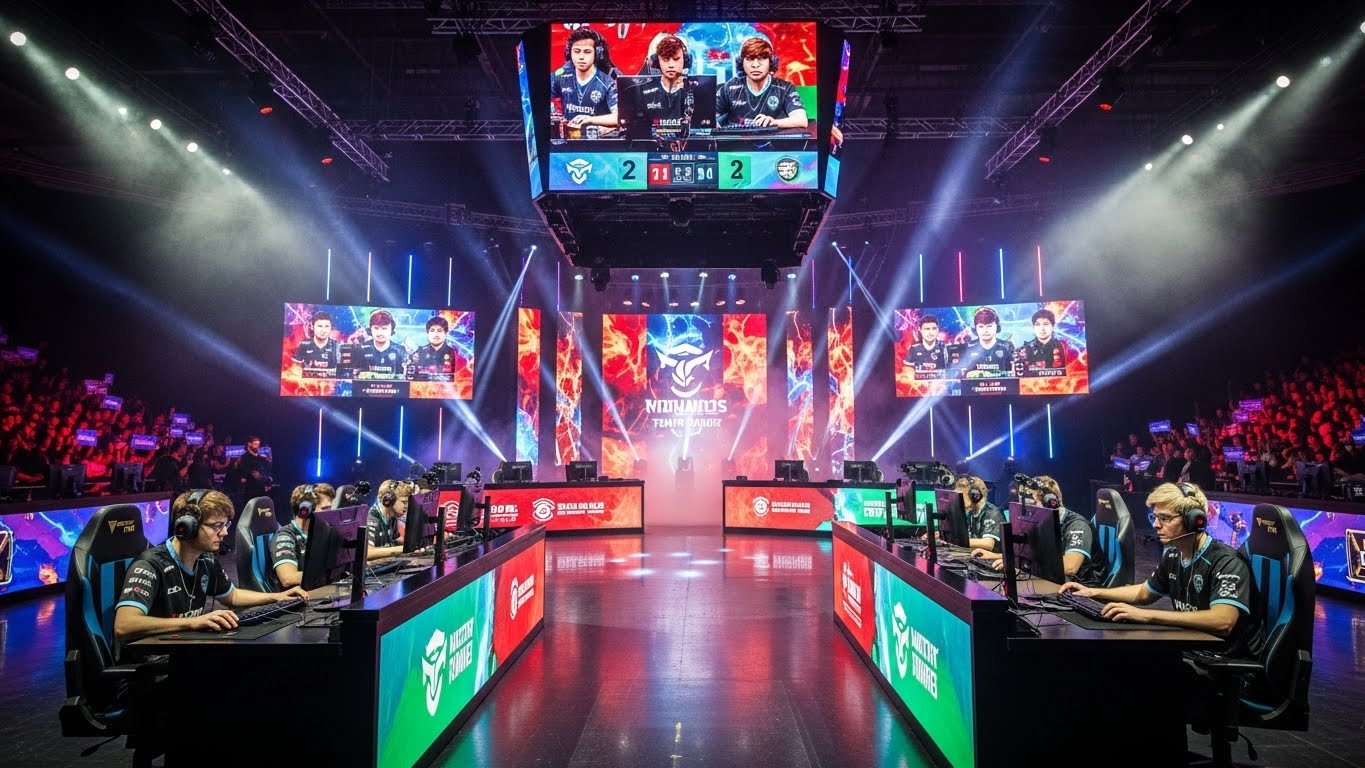
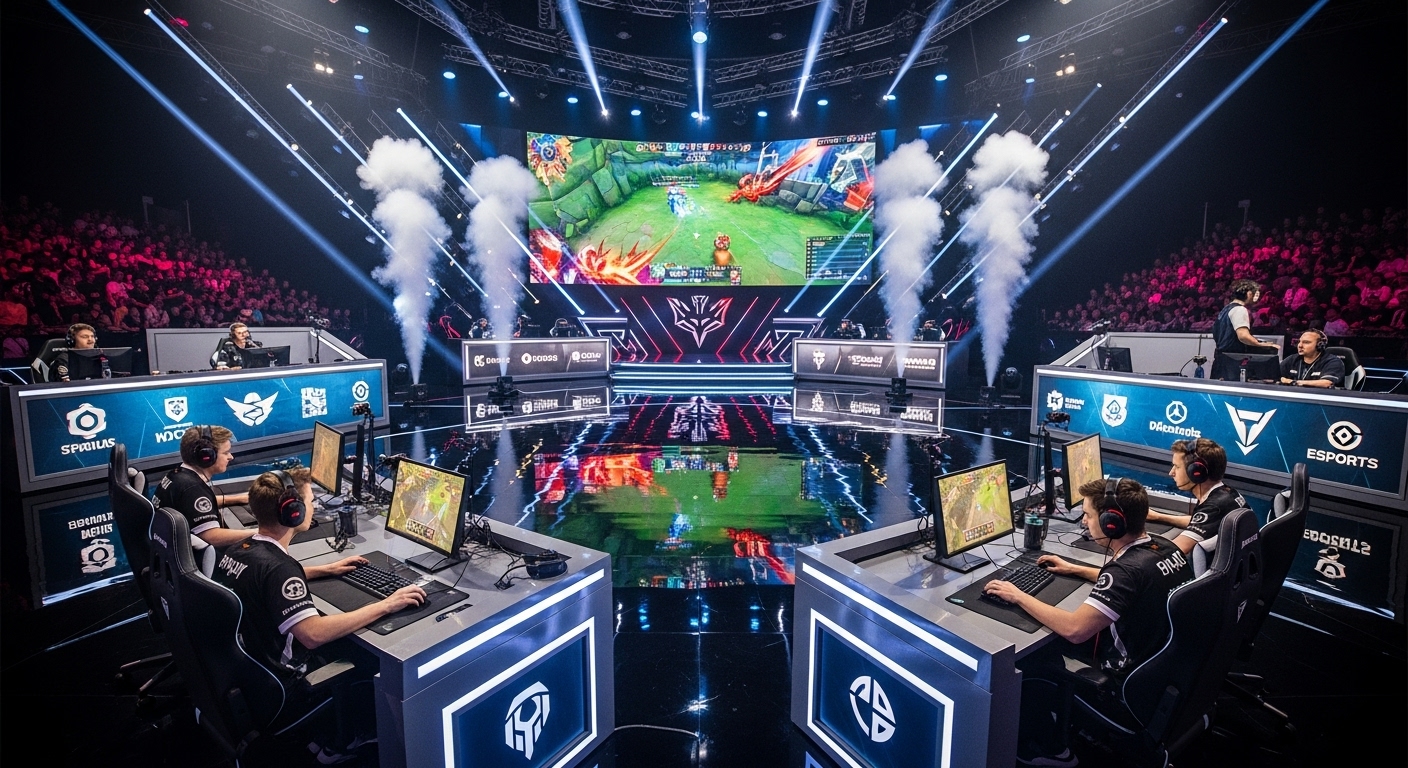
In the last few decades, human entertainment has evolved in ways few could have predicted. From traditional sports stadiums filled with cheering fans to digital arenas streaming high-stakes matches across the world, the way people engage with competition and skill has transformed. This revolution is best embodied by the emergence of esports—organized, competitive video gaming. Once dismissed as a niche hobby, esports has grown into a multibillion-dollar industry that rivals traditional sports in viewership, investment, and influence. Today, it is not just a form of entertainment; it is a legitimate profession, a global community, and a cultural phenomenon.
This blog explores the journey of esports, from its humble beginnings to its modern-day dominance, examining its impact on culture, technology, business, and the future of human competition.
The Origins of Competitive Gaming
Esports didn’t emerge overnight. Its roots trace back to the early days of arcade gaming in the late 1970s and early 1980s. In 1980, Atari hosted the “Space Invaders Championship,” widely considered the first major video game competition. Over ten thousand players participated, marking the beginning of organized competitive gaming.
During this era, video games were primarily local experiences. Friends gathered in arcades or living rooms to compete for the highest scores. Games like Pac-Man, Donkey Kong, and Street Fighter sparked a culture of bragging rights and local fame. But with limited technology, global competition was impossible. Nonetheless, these early events planted the seed for something much greater.
As home consoles and personal computers became more common in the 1990s, competitive gaming expanded. Titles such as Doom, Quake, and StarCraft introduced online multiplayer capabilities, enabling players to compete from different parts of the world. Local Area Network (LAN) parties became popular, where gamers brought their computers to play together in the same location. The competitive spirit of these gatherings set the stage for the esports tournaments that would follow.
The 2000s: Birth of the Esports Industry
The early 2000s marked a turning point. Broadband internet became widespread, enabling real-time online competition. Platforms like Battle.net and Xbox Live made it possible for players to connect and compete globally. Games like Counter-Strike, Warcraft III, and Halo established themselves as early staples of professional gaming.
South Korea played a particularly crucial role in shaping modern esports. The country embraced competitive gaming with remarkable enthusiasm. Internet cafés, known as “PC bangs,” became the heart of a new gaming culture. Government recognition, corporate sponsorships, and dedicated television channels transformed esports into a mainstream entertainment form in Korea. The StarCraft professional scene in the early 2000s is often regarded as the foundation of modern esports professionalism. Players like Lim “BoxeR” Yo Hwan became national celebrities, inspiring millions.
At the same time, Western countries began catching up. Organizations such as the Cyberathlete Professional League (CPL) and Major League Gaming (MLG) in the United States started hosting large-scale tournaments. Prize pools grew, audiences expanded, and professional players began to emerge as icons. Esports was no longer an underground hobby—it was becoming an industry.
The Role of Streaming and Online Platforms
The rise of live-streaming completely changed the landscape of esports. Before streaming, competitive gaming relied heavily on live events and physical attendance. But with the introduction of platforms like Twitch and YouTube Gaming, esports reached a new level of accessibility.
For the first time, millions could watch tournaments and players in real-time from anywhere in the world. Viewers didn’t just consume content—they interacted through chats, fan communities, and live commentary. Streaming allowed professional gamers to build personal brands and connect directly with fans, much like athletes in traditional sports.
The 2010s saw this ecosystem explode. Games like League of Legends, Dota 2, Counter-Strike: Global Offensive, and Overwatch dominated the streaming charts. Major tournaments drew millions of viewers, rivaling traditional sports broadcasts. The League of Legends World Championship, for example, regularly attracted viewership numbers comparable to the Super Bowl.
Streaming democratized esports, breaking down barriers of geography and accessibility. Anyone with skill, charisma, and a stable internet connection could build a career. This shift blurred the lines between professional competition, entertainment, and content creation.
The Business of Esports
What began as passion-driven tournaments has evolved into a full-fledged global industry. Today, esports encompasses media rights, sponsorships, merchandise, ticket sales, and even franchised leagues. The business side of esports mirrors that of traditional sports, with teams, brands, and investors treating it as a serious commercial enterprise.
Leading organizations such as Team Liquid, Fnatic, Cloud9, and T1 operate like professional sports franchises. They recruit talent, secure sponsorship deals, manage training facilities, and engage in rigorous marketing strategies. Sponsorship has become a dominant source of revenue. Companies ranging from tech giants to beverage brands invest heavily to reach the highly engaged esports audience.
The esports demographic—predominantly young, tech-savvy, and globally connected—is particularly attractive to advertisers. Brands that once spent millions on traditional sports now see esports as the next frontier.
Meanwhile, developers have learned to integrate esports into their business models. Riot Games, for instance, built an entire ecosystem around League of Legends, including franchised leagues, global championships, and regional divisions. Valve’s Dota 2 uses crowdfunding through its annual “Battle Pass,” enabling the community to contribute to massive prize pools, sometimes exceeding $30 million.
This intersection of passion, technology, and entrepreneurship has made esports one of the fastest-growing industries of the 21st century.
Esports as a Cultural Movement
Beyond competition and business, esports represents a profound cultural shift. It redefines what it means to be an athlete, a fan, and even an entertainer. In the digital age, the boundaries between these roles are increasingly fluid.
Professional players train rigorously—often 10 to 12 hours a day—focusing on strategy, reflexes, and teamwork. They undergo physical and mental conditioning to handle the pressures of competition. In many ways, they mirror traditional athletes in their discipline and commitment.
At the same time, esports has fostered an inclusive and diverse community. It transcends national, linguistic, and cultural boundaries. Players from Asia, Europe, North America, and beyond compete on the same stage, united by a shared passion for gaming. Online platforms have given marginalized voices a space to thrive, creating new forms of representation and belonging.
The fan culture surrounding esports is equally vibrant. From cosplay and fan art to memes and live event chants, esports fandom is creative, expressive, and deeply participatory. Major tournaments often feel like festivals—complete with music performances, stage shows, and cultural exhibitions.
In many ways, esports reflects the values of a connected generation: collaboration, creativity, and digital empowerment.
The Role of Technology and Innovation
Technology is at the core of esports’ success. High-speed internet, powerful hardware, and advanced graphics have made competitive gaming more dynamic and immersive. Innovations in streaming technology, augmented reality, and artificial intelligence continue to shape how esports is experienced and produced.
Modern tournaments rely on cutting-edge broadcast technology, including live data overlays, player cams, and 3D replays. These elements not only enhance the viewer experience but also elevate esports to the level of professional sports broadcasting.
Moreover, advancements in analytics and machine learning are transforming training and performance evaluation. Coaches use data-driven tools to analyze gameplay, identify weaknesses, and optimize team strategies. Virtual reality and motion tracking technologies are also beginning to merge with esports, opening new possibilities for hybrid competitive experiences.
As technology evolves, so too does the definition of what esports can be. The boundary between player and spectator, physical and digital, continues to blur.
Education and Career Opportunities
Esports has also carved out an unexpected space in education and career development. Universities around the world now offer esports scholarships, degrees in game design, and management programs focused on the industry. Students learn not only how to compete but also how to manage teams, organize events, and market digital content.
These programs recognize that esports is more than just gameplay—it encompasses production, commentary, business management, and technology. Roles such as analysts, shoutcasters, event coordinators, and digital marketers have become viable professions.
For younger generations, esports provides a gateway into STEM education. Concepts like game theory, physics, data analytics, and software development all intersect within the world of gaming. Educators have begun leveraging this interest to teach problem-solving, teamwork, and creativity.
The professionalization of esports has also led to improved player welfare. Organizations now focus on physical health, mental well-being, and long-term career support. This holistic approach ensures that players can thrive both in and beyond their competitive careers.
Challenges Facing the Esports Industry
Despite its explosive growth, esports faces several challenges. The industry is still young, and its rapid evolution has brought growing pains.
One of the primary concerns is sustainability. While viewership continues to rise, profitability remains inconsistent. Many organizations rely heavily on sponsorships, and fluctuating audience engagement can affect financial stability.
Another challenge is player burnout. The demanding schedules and mental pressure of constant competition can take a toll. Without proper regulations and support, young players risk physical strain and psychological fatigue.
Cheating, match-fixing, and doping scandals have also occasionally plagued the scene. As money and prestige increase, maintaining competitive integrity becomes vital. Developers and organizers are continually working to strengthen anti-cheat systems and enforce ethical standards.
Additionally, diversity and inclusion remain ongoing issues. While esports is global, gender representation is still unbalanced, with female players often facing harassment or lack of support. However, initiatives promoting women in gaming are steadily gaining traction, signaling progress toward a more inclusive future.
Finally, the volatility of game popularity poses risks. Unlike traditional sports that last for decades, esports titles can fade quickly. The success of an esports ecosystem often depends on the longevity of a game and the commitment of its developers.
Addressing these challenges will determine how sustainable and mature the industry becomes in the next decade.
The Globalization of Esports
Esports has transcended borders. Today, major tournaments are held in cities around the world—from Seoul to Los Angeles, Shanghai to Berlin. Each region brings its own style, culture, and fan base, contributing to the richness of the global scene.
International competitions, such as The International (for Dota 2) and the League of Legends World Championship, unite fans from every continent. Teams composed of players from multiple countries demonstrate the truly international nature of esports.
Governments have begun recognizing esports officially. Countries like China, South Korea, and the United States have introduced policies to support esports infrastructure and education. Esports is also being considered for inclusion in major sporting events, including the Asian Games and potentially the Olympics.
This globalization reflects a broader cultural shift toward digital unity. In a world often divided by geography and politics, esports creates a shared language—one built on skill, strategy, and passion.
The Future of Esports
As we look ahead, esports shows no signs of slowing down. With advancements in virtual reality, artificial intelligence, and interactive media, the future of competitive gaming will likely be even more immersive and accessible.
We may soon see AI-driven training tools that personalize strategies for individual players. Virtual reality esports could merge physical movement with digital gameplay, creating new genres of competition. Cloud gaming may allow anyone, anywhere, to participate in tournaments without expensive hardware.
The line between viewer and participant will continue to blur. Interactive broadcasts could allow audiences to influence matches, customize camera angles, or even compete alongside professionals.
Moreover, as traditional sports organizations invest in esports, hybrid events combining physical and digital competition will become more common. Football clubs, basketball teams, and racing leagues already have esports divisions, signaling the convergence of athletic and digital entertainment.
In the long run, esports may redefine how humanity understands competition itself—not just as a physical pursuit, but as a test of intellect, reaction, and coordination across digital landscapes.
Conclusion
From the dimly lit arcades of the 1980s to the sold-out arenas of today, esports has undergone a remarkable transformation. It is no longer merely about playing games—it is about community, technology, identity, and progress.
Esports represents the spirit of a generation that grew up online—a generation that values creativity, innovation, and global connection. It is a testament to how far gaming has come and a glimpse into where human competition is heading.
As the industry matures, its influence will only grow—shaping education, business, culture, and technology. In the future, esports will stand alongside traditional sports not as an alternative, but as an equal—different in form, but united in purpose.
Ultimately, the story of esports is the story of humanity’s constant drive to challenge itself, to innovate, and to connect through the universal language of play.