Introduction to Esports
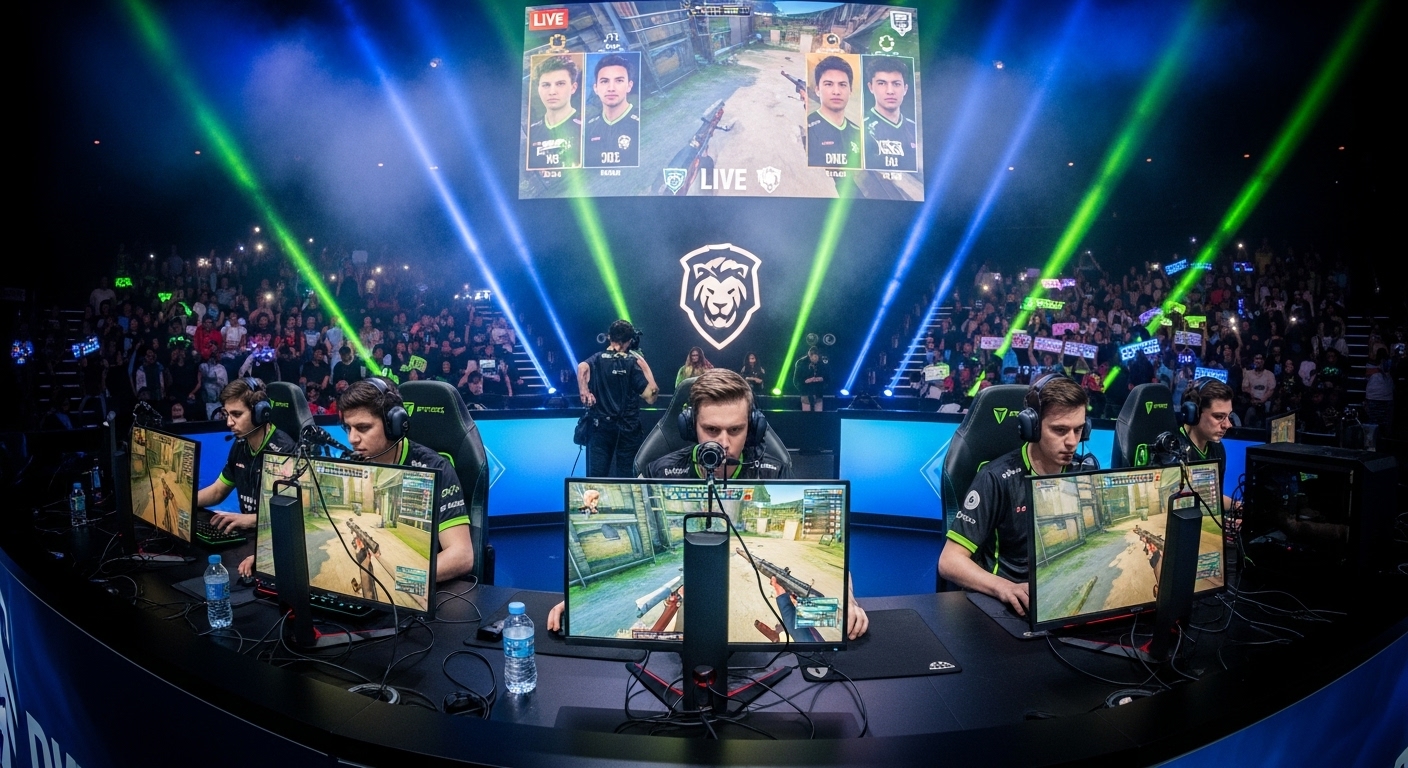
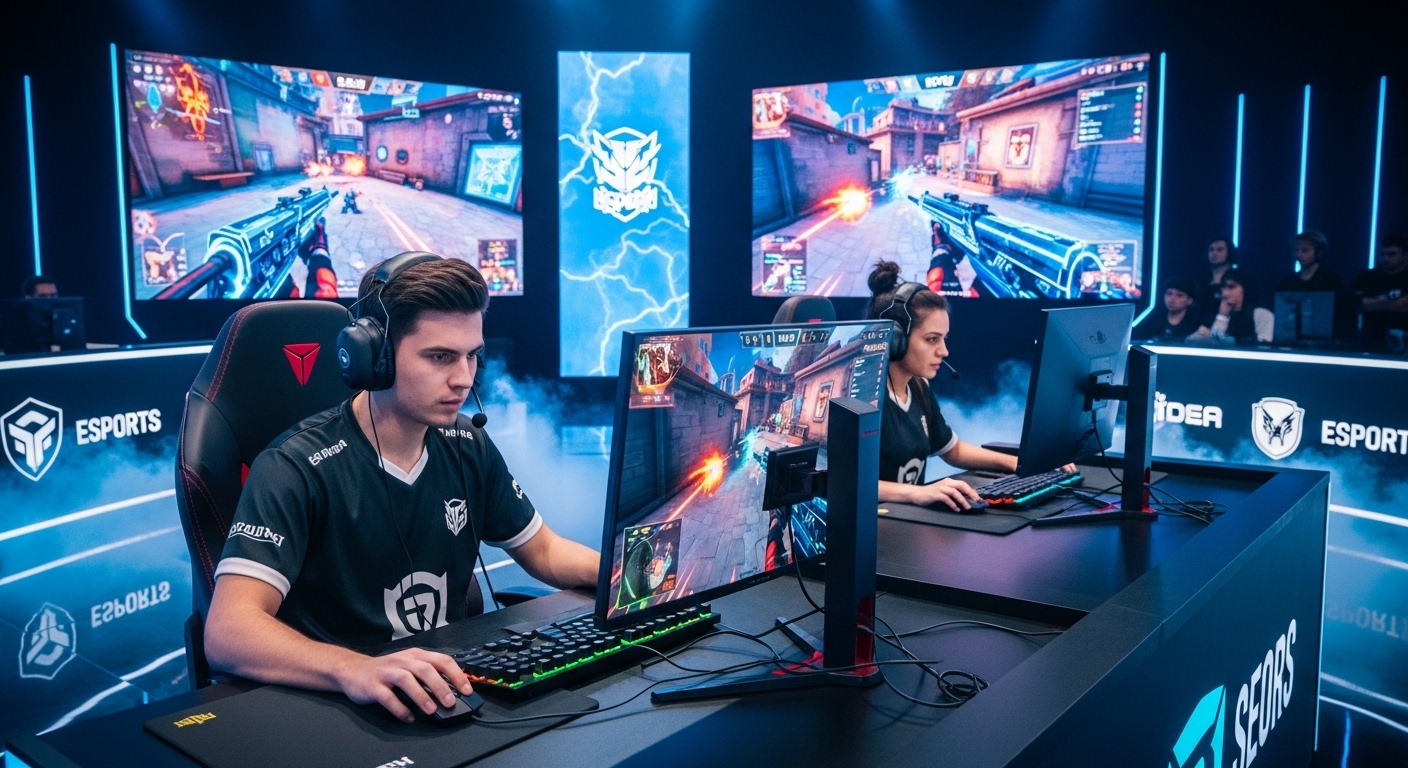
Esports, or electronic sports, has emerged as one of the most significant phenomena in the world of competitive entertainment. It encompasses competitive gaming at professional levels, where players and teams engage in tournaments for recognition, sponsorships, and substantial prize pools. Unlike traditional sports, esports thrives in the digital landscape, offering global connectivity and an unprecedented scale of engagement. Over the last decade, the industry has seen exponential growth, with millions of fans tuning in to watch their favorite players compete in games ranging from multiplayer online battle arenas to first-person shooters.
Esports is more than just playing video games; it is a complex ecosystem involving players, teams, coaches, analysts, event organizers, sponsors, and audiences. The cultural impact of esports is profound, influencing gaming trends, digital marketing, and even traditional sports organizations seeking to enter the competitive gaming space. Understanding the dynamics of esports requires an appreciation of its history, the games that define it, the structure of competitive play, and the business and cultural elements that sustain it.
The History of Esports
The roots of esports can be traced back to the 1970s and 1980s, when video games like Space Invaders and Pac-Man gained widespread popularity. The first known video game competition occurred in 1972 at Stanford University, where players competed in Spacewar! for a modest prize. During the 1980s, arcades became hubs for competitive play, and games like Donkey Kong and Street Fighter saw organized competitions. However, esports as we know it today began to take shape in the late 1990s and early 2000s with the rise of multiplayer PC games such as StarCraft, Counter-Strike, and Warcraft III.
The establishment of online platforms and broadband internet transformed competitive gaming. Players could now compete globally, and online tournaments became possible. South Korea played a pivotal role in professionalizing esports, particularly with StarCraft: Brood War, which became a national pastime and led to the rise of professional players, televised matches, and large fan communities. Over the following years, esports transitioned from niche hobby to mainstream entertainment, attracting investments, sponsorships, and international recognition.
Popular Esports Games
Esports encompasses a variety of genres, each with its unique appeal and competitive ecosystem. Some of the most popular esports games include:
Multiplayer Online Battle Arenas (MOBAs)
Games like League of Legends and Dota 2 dominate the MOBA category. These games require strategic thinking, teamwork, and precise execution. Players control a single character on a team, working together to destroy the opponent’s base while defending their own. Tournaments like The International for Dota 2 have made history with record-breaking prize pools and intense global viewership.
First-Person Shooters (FPS)
FPS games such as Counter-Strike: Global Offensive, Call of Duty, and Valorant focus on precision, reflexes, and tactical coordination. Teams compete in rounds to achieve objectives like bomb defusal or area control. FPS tournaments are widely popular and often held in massive arenas, attracting thousands of live spectators in addition to online audiences.
Battle Royale Games
The rise of games like Fortnite, PUBG, and Apex Legends has popularized the battle royale genre. These games combine survival, exploration, and shooting mechanics in a last-person-standing format. Battle royale esports competitions are dynamic and unpredictable, often featuring individual or squad-based play that tests adaptability and skill under pressure.
Fighting Games
Fighting games, including Street Fighter, Tekken, and Super Smash Bros., have maintained a loyal esports community for decades. These games focus on one-on-one combat, emphasizing timing, reflexes, and mastery of character-specific abilities. Fighting game tournaments are particularly noted for their passionate fanbases and high-energy live events.
Sports Simulation Games
Titles like FIFA and NBA 2K represent sports simulations in esports. These games allow players to experience virtual versions of real-world sports, combining strategy and technical skill. Competitive leagues and tournaments for these games have grown significantly, often attracting fans of the actual sports.
The Structure of Competitive Esports
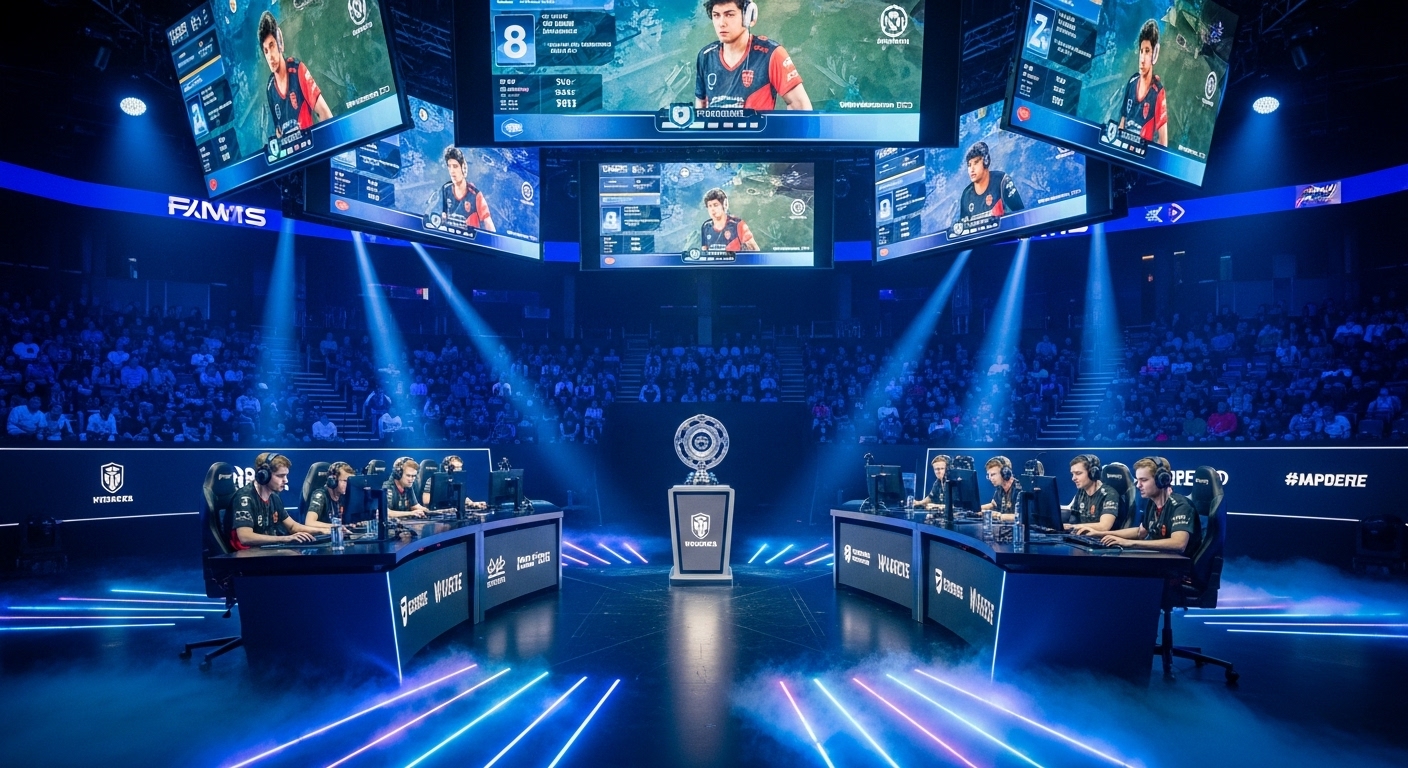
The organization of competitive esports mirrors traditional sports in many ways but has unique digital nuances. Tournaments can range from small local events to massive international competitions with millions of dollars at stake. Competitive play is usually organized into leagues, championships, and online qualifiers.
Professional Teams and Players
Professional esports teams often have rosters of players specializing in specific roles within a game. Teams invest heavily in coaching, strategy, and training facilities. Players undergo rigorous practice schedules, studying opponents and perfecting strategies much like traditional athletes. The lifestyle of a professional gamer includes travel, sponsorship obligations, and participation in media events, requiring both mental resilience and physical endurance.
Tournaments and Leagues
Major esports tournaments, such as The International for Dota 2, the League of Legends World Championship, and the CS:GO Major Championships, draw global attention. These tournaments feature group stages, playoffs, and finals, often with live broadcasting on platforms like Twitch, YouTube, and dedicated esports networks. Prize pools can reach millions, funded through sponsorships, crowdfunding, and advertising.
Online Platforms and Streaming
Streaming platforms have revolutionized esports, allowing fans to watch matches live from anywhere in the world. Twitch and YouTube Gaming provide real-time access to competitions, player streams, and commentary. This has expanded the audience, created personal brands for players, and introduced new revenue streams through subscriptions, donations, and sponsorships.
The Economics of Esports
Esports is a billion-dollar industry with diverse revenue streams. Key components of esports economics include:
Sponsorships and Advertising
Brands invest heavily in esports, seeing opportunities to reach young, tech-savvy audiences. Sponsorship deals can include team endorsements, tournament sponsorship, and product placements. Companies ranging from technology firms to consumer goods brands actively participate in esports marketing.
Prize Money and Revenue Sharing
Prize pools in major tournaments can reach tens of millions of dollars. Players and teams earn a percentage of winnings, often supplemented by salaries from their organizations. Some games, like Dota 2, incorporate crowdfunding from players into prize pools, generating community engagement and excitement.
Merchandise and Ticket Sales
Esports organizations sell branded merchandise, including apparel, accessories, and in-game items. Live events also generate revenue through ticket sales, VIP packages, and concessions. These revenue streams help sustain teams, fund tournaments, and support grassroots esports initiatives.
Streaming Revenue
Top players and teams monetize their streaming content through ad revenue, subscriptions, and fan donations. This not only provides additional income but also builds personal brands and fan loyalty, creating a cycle that strengthens the overall esports ecosystem.
The Cultural Impact of Esports
Esports has transformed the perception of gaming from a casual pastime to a legitimate professional pursuit. It has influenced entertainment, education, and social interaction. Universities now offer esports scholarships and competitive programs, while mainstream media increasingly covers major events.
Community and Fan Engagement
Esports communities thrive online, with forums, social media groups, and fan content contributing to the culture. Fans engage in discussions, create fan art, and participate in fantasy esports leagues. The sense of belonging within these communities fosters loyalty and excitement, making esports a unique social phenomenon.
Diversity and Inclusion
The esports industry has made strides in promoting diversity, though challenges remain. Female players, LGBTQ+ individuals, and players from underrepresented regions are gaining visibility and opportunities. Organizations are implementing initiatives to make esports more inclusive, fostering a broader and more vibrant competitive landscape.
Cross-Industry Influence
Esports has influenced traditional sports, music, and entertainment industries. Many sports franchises have invested in esports teams, while celebrities and musicians collaborate with esports events to reach new audiences. This cross-industry synergy highlights the growing cultural relevance of competitive gaming.
Challenges Facing Esports
Despite its rapid growth, esports faces several challenges. These include mental health concerns, burnout among players, regulatory issues, and maintaining fair competition. Professional players often experience intense pressure, long hours of practice, and frequent travel, which can impact mental and physical well-being.
Additionally, the rapid pace of technological change and game popularity cycles presents sustainability challenges for teams and organizers. Ensuring integrity in competition, combating cheating, and establishing standardized rules are ongoing concerns. Addressing these challenges is crucial for the long-term legitimacy and growth of the industry.
The Future of Esports
The future of esports looks promising, with advancements in technology, audience engagement, and global reach. Virtual reality, augmented reality, and cloud gaming are expected to create new opportunities for immersive competition. Expanding markets in Asia, Europe, and the Americas will continue to drive growth, while evolving monetization models will provide new avenues for revenue.
Esports may also further integrate with traditional sports, education, and entertainment. Universities could expand esports programs, professional leagues may gain broader media coverage, and cross-platform collaborations may enhance fan experiences. The blending of gaming culture with mainstream media will likely strengthen the legitimacy and appeal of esports worldwide.
Conclusion
Esports has evolved from small-scale arcade competitions into a global entertainment powerhouse. It represents the convergence of technology, competition, and culture, offering players and fans unprecedented opportunities for engagement and success. With professional infrastructure, passionate communities, and innovative technological developments, esports is poised to remain a major cultural and economic force in the years to come.
Understanding esports requires appreciation for its complexity—from the games themselves to the ecosystem that sustains them. As the industry continues to mature, it will redefine entertainment, challenge traditional notions of sports, and provide a platform for talent and creativity to flourish on a global scale. Esports is not just the future of gaming; it is the evolution of competitive entertainment in the digital age.