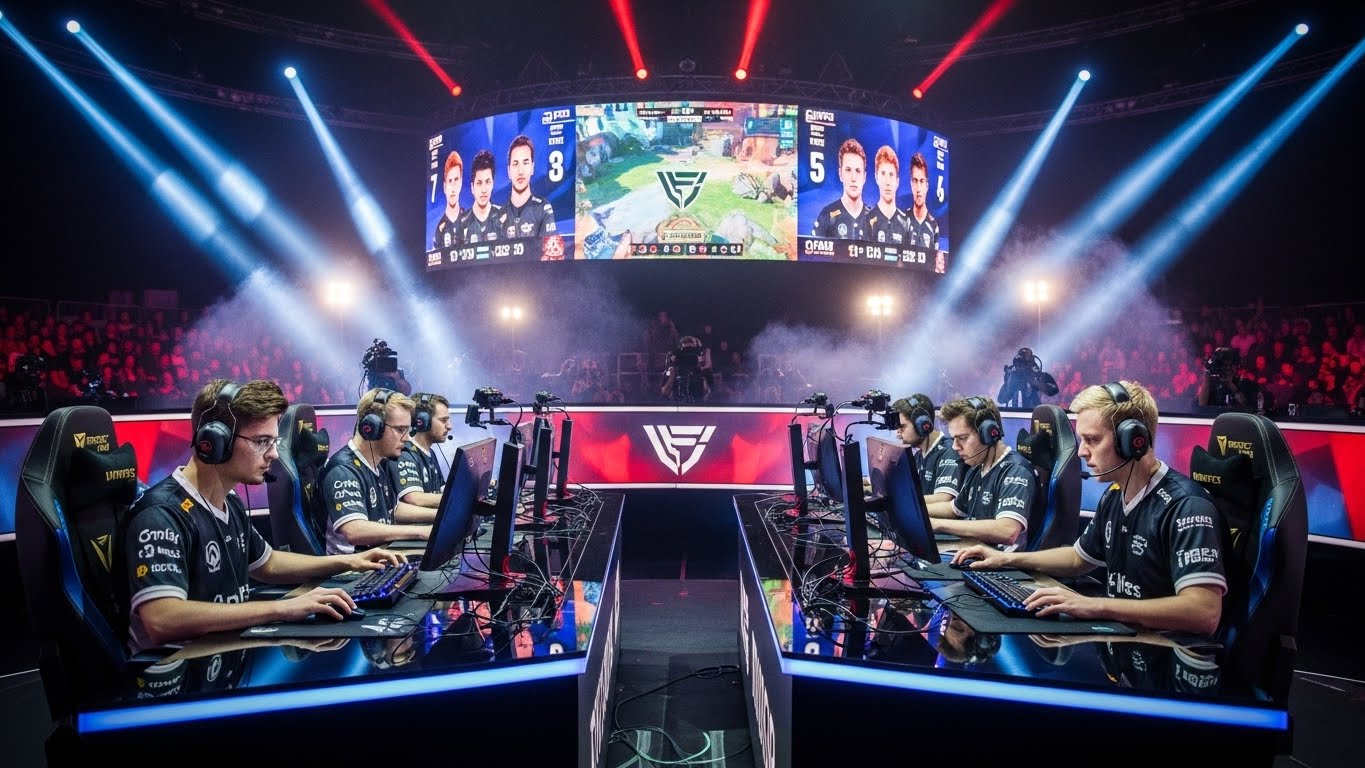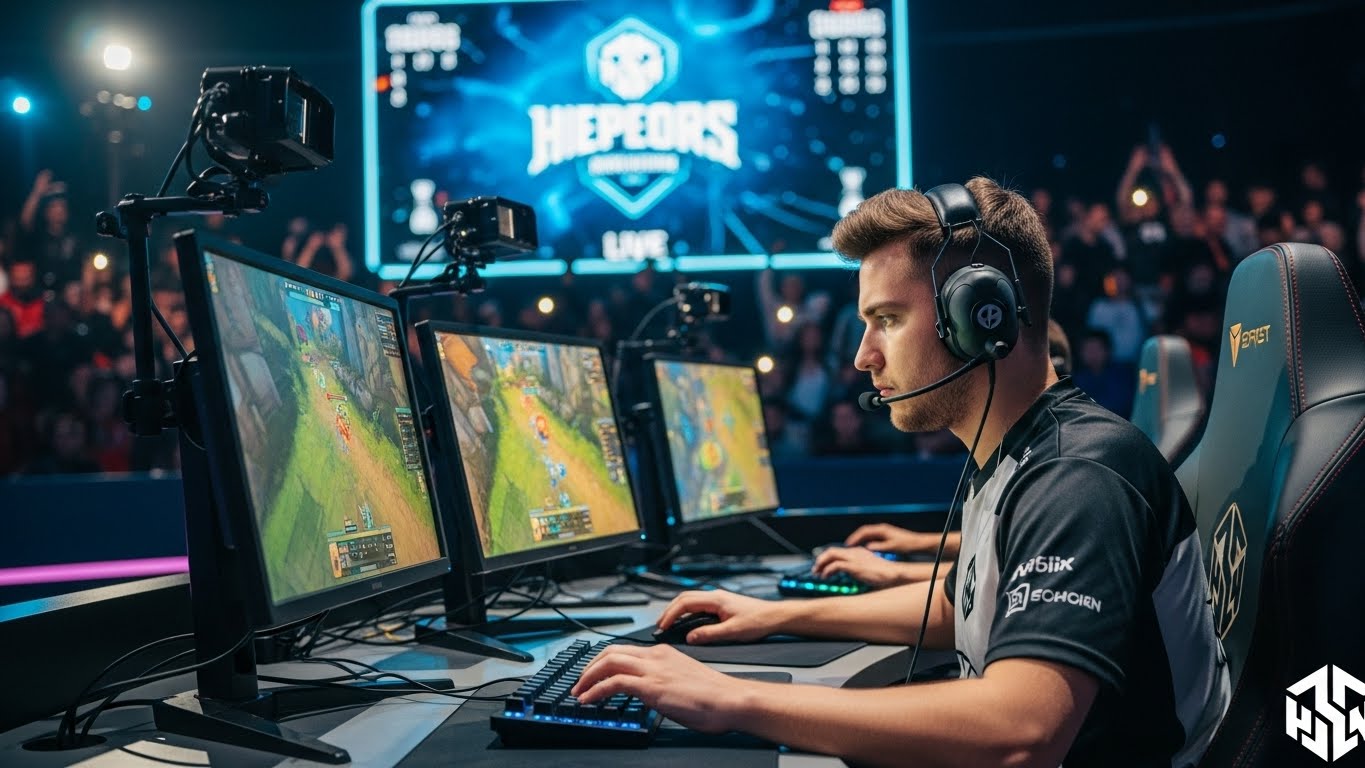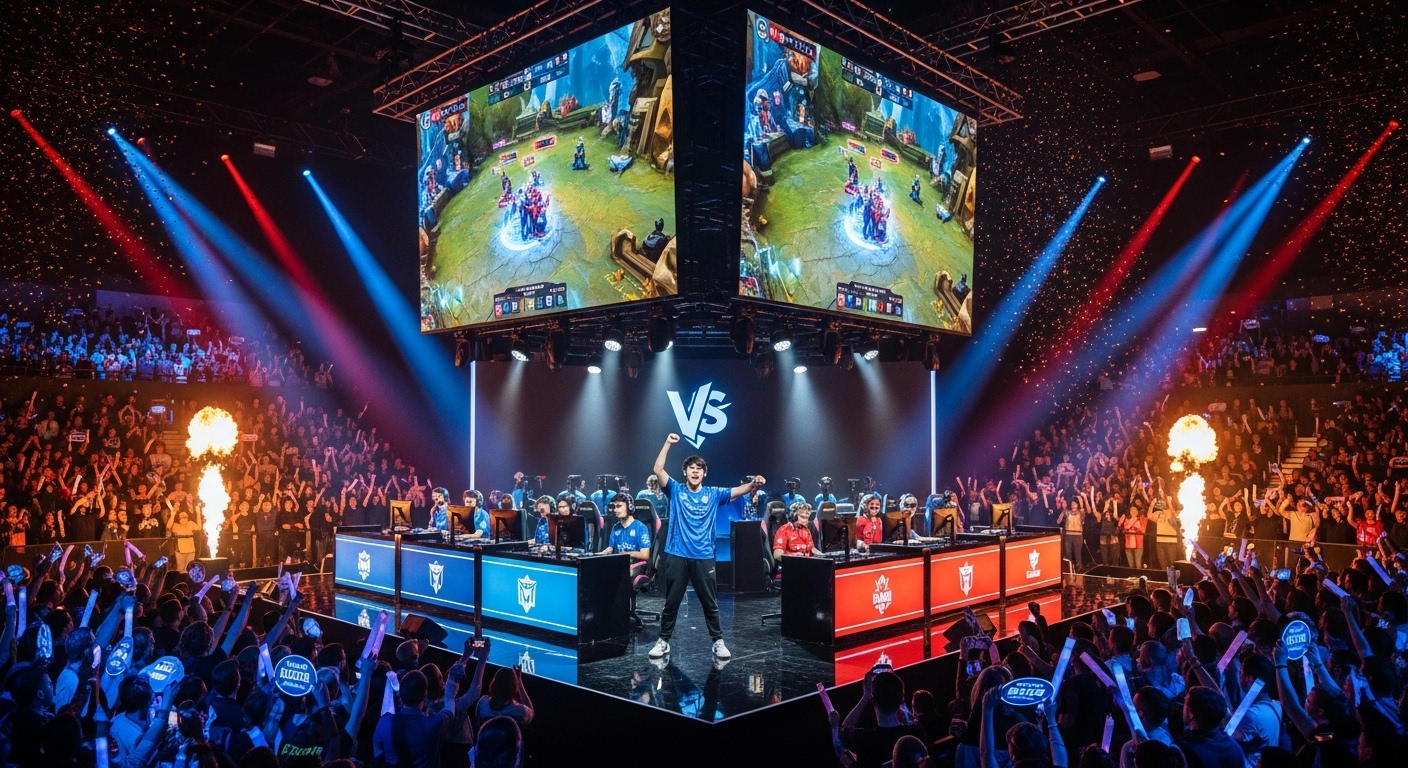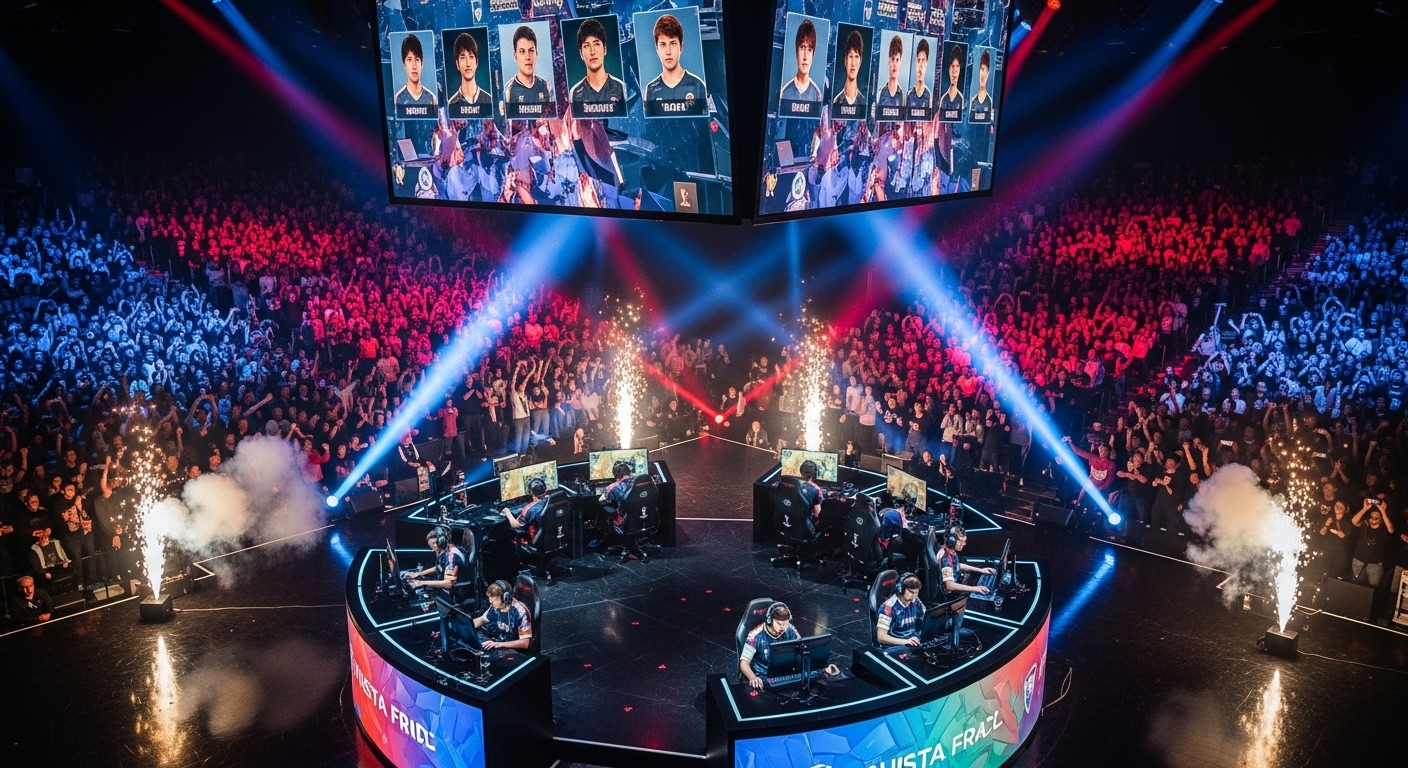
Esports has grown from a small, niche hobby into one of the most influential sectors in the global entertainment industry. What started as casual gaming competitions among friends has now evolved into a multi-billion-dollar industry, with professional leagues, sponsored teams, global tournaments, and massive audiences tuning in from around the world. The rise of esports reflects broader changes in technology, media, and culture, and its impact on society is undeniable. In this comprehensive blog, we will explore the evolution of esports, its key players, technological foundations, cultural significance, and the future of competitive gaming.
The Origins of Esports
Esports traces its roots back to the early days of video gaming in the late 1970s and 1980s. Early competitions, such as the Space Invaders Championship held in 1980, showcased the competitive potential of gaming. These events were limited in scope and participation but demonstrated that players could compete, and spectators could enjoy the thrill of watching games played at a high level.
The 1990s marked a critical period for esports with the advent of networked PC gaming. Titles like Quake, Doom, and StarCraft popularized competitive gaming, especially in South Korea, where professional gaming leagues began to take shape. StarCraft, in particular, became a cultural phenomenon, with televised matches drawing millions of viewers. The concept of professional gamers and sponsored teams emerged during this period, laying the groundwork for the modern esports industry.
The Evolution of Competitive Gaming
The 2000s brought a significant expansion in the scope and popularity of esports. Online multiplayer games such as Counter-Strike, Warcraft III, and Dota created vibrant competitive communities. Players could compete in organized tournaments, both online and offline, and the internet allowed for global participation and streaming of events.
Tournament structures became more professional, with prize pools attracting top-tier talent and sponsorships from major brands. This period also saw the emergence of esports organizations, which managed teams, training schedules, and player contracts, similar to traditional sports franchises.
The proliferation of broadband internet made competitive gaming accessible to larger audiences. Platforms like Twitch and YouTube Gaming later enabled live streaming of matches, connecting players and fans in real time. The combination of competitive gameplay and spectator experience became a defining feature of esports, distinguishing it from traditional gaming.
Major Esports Titles and Genres
Esports encompasses a wide range of genres, each with its own competitive community and professional scene. Some of the most influential titles include:
1. Multiplayer Online Battle Arenas (MOBAs):
Games like League of Legends and Dota 2 have become pillars of the esports ecosystem. MOBAs combine strategy, teamwork, and individual skill, creating a dynamic and engaging spectator experience. Major tournaments, such as The International for Dota 2, feature prize pools worth tens of millions of dollars.
2. First-Person Shooters (FPS):
FPS games, including Counter-Strike: Global Offensive, Call of Duty, and Overwatch, focus on precision, strategy, and reflexes. These games are popular in both professional leagues and casual competitions, with a strong following in North America, Europe, and Asia.
3. Battle Royale Games:
Titles like Fortnite and PUBG introduced a new competitive format, combining survival, strategy, and action. These games appeal to younger audiences and have created massive online tournaments with substantial prizes and global fan bases.
4. Real-Time Strategy (RTS) Games:
Although less dominant today, RTS games like StarCraft II helped establish the professional gaming scene. They require high levels of strategic thinking, multitasking, and adaptability.
5. Sports Simulations and Fighting Games:
FIFA, Madden NFL, Street Fighter, and Super Smash Bros. represent genres that translate traditional sports and competitive games into digital formats. These games attract fans from both the gaming and sports communities.
Each genre contributes uniquely to the esports ecosystem, offering diverse gameplay experiences and appealing to different audiences.
The Professionalization of Esports
One of the key factors in the growth of esports is its professionalization. Players now train, compete, and live like traditional athletes. Professional teams maintain rigorous schedules, including daily practice sessions, strategy discussions, and physical conditioning.
Organizations provide coaching staff, nutritionists, and mental health support to ensure peak performance. Major leagues, such as the League of Legends Championship Series and Overwatch League, operate similarly to professional sports leagues, with regular seasons, playoffs, and championship events.
The professionalization of esports has also led to significant financial opportunities. Top players earn salaries, sponsorships, and tournament winnings that rival those of traditional athletes. Brands invest heavily in esports marketing, sponsoring teams, events, and individual influencers to reach the growing gaming audience.
The Role of Streaming and Online Platforms
Streaming platforms have been critical in shaping the esports industry. Twitch, YouTube Gaming, and other services allow fans to watch matches live, interact with players, and engage with communities. This accessibility has democratized viewership, enabling fans worldwide to follow competitions without attending physical venues.
Content creators and streamers play a dual role as both players and entertainers. Their personalities, commentary, and interaction with viewers enhance the spectator experience, building communities and increasing engagement. Streaming has also become a lucrative career path, with top personalities earning significant revenue through subscriptions, donations, and sponsorships.
The integration of streaming with esports events has created a hybrid entertainment model, combining competitive sports with live media production. Fans are no longer passive observers—they are participants in a dynamic, interactive experience.
Cultural and Social Impact of Esports
Esports has become a significant cultural phenomenon, influencing how people perceive gaming and competition. It has challenged stereotypes about gamers, showcasing skill, strategy, teamwork, and dedication comparable to traditional sports.
Esports fosters global communities, connecting players from different countries and cultures. Online forums, social media groups, and fan communities allow enthusiasts to share experiences, strategies, and content. The social aspect of esports contributes to its popularity, providing a sense of belonging and shared identity.
Additionally, esports has expanded educational opportunities. Universities and colleges now offer scholarships for competitive gaming, integrating esports into academic programs. This institutional recognition further legitimizes esports as a professional and socially relevant activity.
Economic Impact of Esports
The esports industry generates billions of dollars annually through tournament prize pools, sponsorships, advertising, merchandise, and media rights. Major events attract audiences in the hundreds of thousands, both online and in stadiums, creating economic opportunities for event organizers, media companies, and local economies.
Esports has also influenced adjacent industries, including technology, streaming, and gaming peripherals. Companies that produce high-performance hardware, gaming accessories, and software tools benefit from the growing demand for competitive gaming equipment.
The rise of esports betting adds another layer of economic activity, with fans engaging in wagering on professional matches. While this introduces regulatory and ethical considerations, it also reflects the broader integration of esports into mainstream entertainment and commerce.
Technological Foundations of Esports
Technology underpins every aspect of esports, from game development to streaming and competition. High-speed internet, advanced graphics engines, and cloud computing enable seamless gameplay and spectator experiences.
Analytics tools provide teams with insights into performance, strategy, and player behavior. Artificial intelligence and machine learning help in game balancing, anti-cheat systems, and player training. VR and AR technologies offer potential for immersive experiences, enhancing both player engagement and viewership.
Platforms for online tournaments, matchmaking, and rankings ensure fair competition and accessibility. Technology not only drives the growth of esports but also shapes its future possibilities, opening new avenues for innovation and interaction.
Challenges Facing the Esports Industry
Despite its rapid growth, esports faces several challenges. Player burnout and mental health are significant concerns, given the intense schedules and high-pressure environments. Maintaining fair competition is another challenge, requiring effective anti-cheat measures and regulations.
Regulatory frameworks vary by country, affecting licensing, taxation, and legal recognition. Monetization models, including sponsorships, advertising, and microtransactions, must balance profitability with player trust and ethical considerations.
Additionally, esports must address social issues such as inclusion and diversity. Ensuring that women, minorities, and underrepresented groups have equal opportunities in competitive gaming remains a critical priority.
The Future of Esports
The future of esports promises continued growth and innovation. Emerging technologies such as virtual reality, augmented reality, and cloud gaming will enhance both player and spectator experiences. These advancements will create more immersive, interactive, and inclusive competitions.
Esports will continue to expand geographically, with new markets in Asia, Latin America, and Africa contributing to global growth. Educational programs, professional pathways, and institutional support will further integrate esports into mainstream culture.
Cross-industry collaborations, such as partnerships with traditional sports leagues, media companies, and entertainment brands, will create hybrid experiences that blur the line between gaming, sports, and media. As technology, culture, and economics converge, esports will remain a dynamic and influential force in the entertainment landscape.
Conclusion
Esports has evolved from humble beginnings into a global phenomenon that blends competition, entertainment, and technology. It has transformed how people play, watch, and engage with video games, creating professional opportunities, vibrant communities, and cultural significance.
The rise of esports demonstrates the power of digital innovation, connectivity, and human creativity. It has reshaped entertainment, challenged traditional perceptions of sports, and created new forms of interaction and engagement.
As the industry continues to grow and innovate, esports will remain at the forefront of cultural, technological, and economic trends. Its influence extends far beyond gaming—it reflects the future of digital entertainment, global competition, and shared human experience in a connected world.