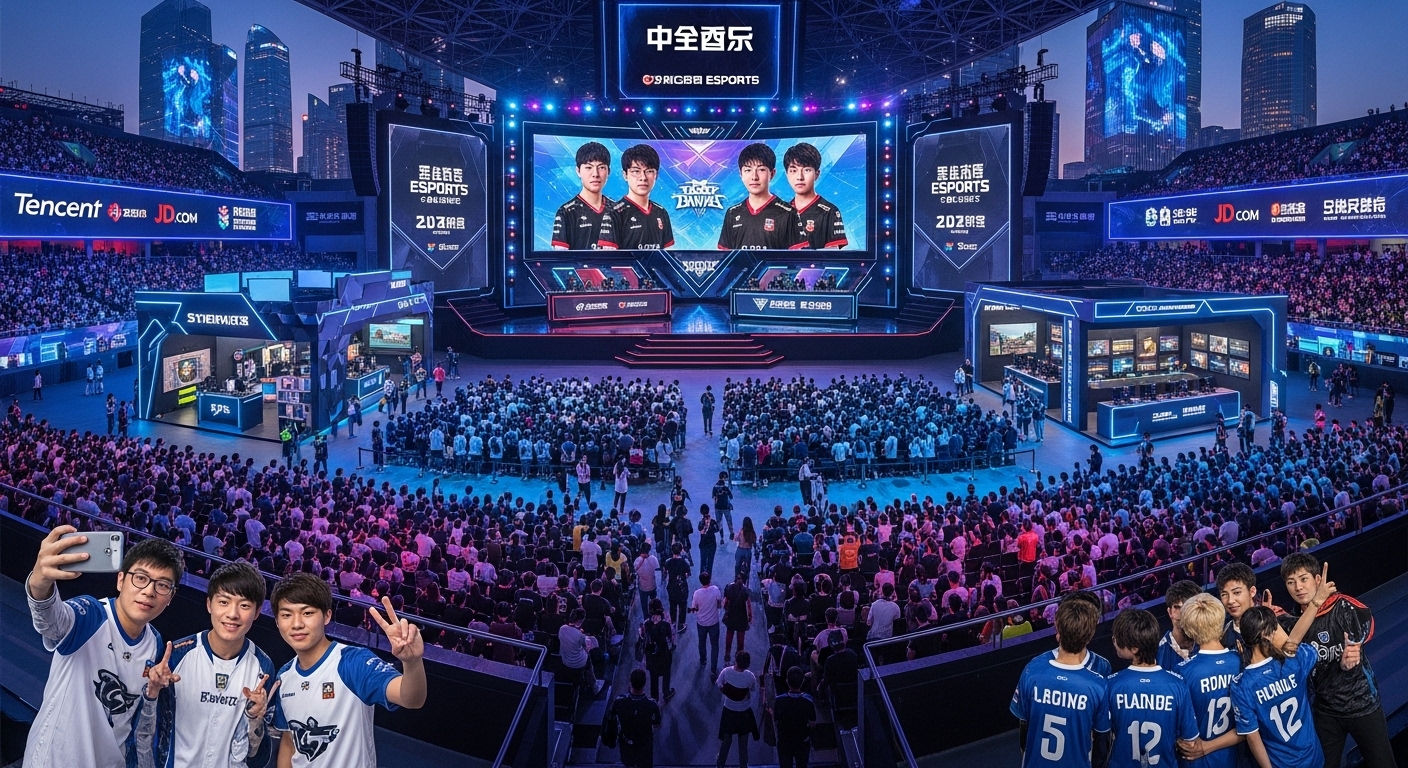
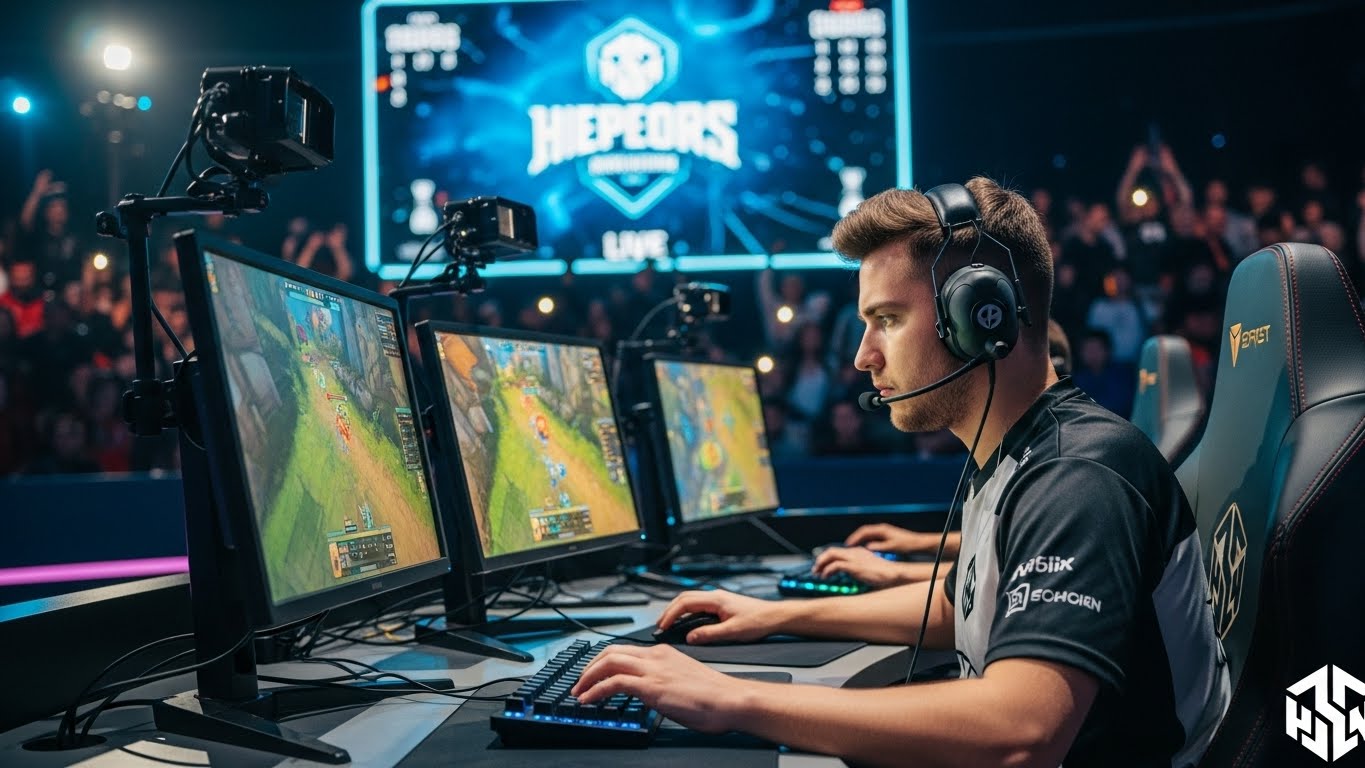
Esports, short for electronic sports, has rapidly evolved from a niche hobby into a global phenomenon. What was once dismissed as casual gaming is now a multi-billion-dollar industry, attracting professional players, large-scale tournaments, and audiences in the millions. Esports is not only redefining competition but also shaping culture, education, and even the economy. In this blog, we will explore the rise of esports, its impact on society, and its significance in the modern era.
The Origins of Esports
The concept of competitive gaming is almost as old as video games themselves. In the 1970s and 1980s, arcade games like Space Invaders and Pac-Man gave birth to the first organized competitions. Players would compete for high scores, and local communities began to celebrate skill and achievement in gaming.
By the 1990s, multiplayer PC games such as Quake, StarCraft, and Warcraft enabled real-time competition between players across networks. Tournaments began to appear, formalizing the competitive aspect of gaming. These early competitions laid the groundwork for professional esports, creating a culture centered on strategy, skill, and innovation.
Defining Esports as a Sport
Unlike traditional sports, esports is primarily digital, yet it demands many of the same attributes as physical sports. Players require agility, reflexes, concentration, strategic thinking, and teamwork. Professional esports athletes often train for hours daily, refining both their mental and physical stamina to stay competitive.
Games in esports cover multiple genres, including first-person shooters, multiplayer online battle arenas, fighting games, and sports simulations. Titles such as League of Legends, Dota 2, Counter-Strike, and Fortnite have become global brands, each with professional leagues, tournaments, and fan followings. Despite the digital nature of the competition, the intensity and skill required are comparable to traditional sports.
The Growth of the Esports Industry
The esports industry has experienced unprecedented growth over the past decade. From small local tournaments to stadium-filling international events, esports has captured the attention of audiences worldwide. Revenue streams include sponsorships, merchandise sales, broadcasting rights, and in-game purchases.
Streaming platforms have played a crucial role in this growth, enabling players to broadcast matches to millions of fans in real time. Unlike conventional sports, esports transcends geographic boundaries, allowing competitors from different continents to engage in high-stakes matches seamlessly. This accessibility and global reach have made esports a cultural and economic powerhouse.
Cognitive and Mental Benefits
Esports is more than just entertainment; it provides significant cognitive and mental benefits. Competitive gaming sharpens decision-making, problem-solving, and multitasking skills. Players must analyze constantly evolving situations, anticipate opponents’ moves, and develop strategies under time pressure.
Additionally, esports enhances focus and reaction time. Many games require split-second timing and precise control, improving hand-eye coordination and mental agility. Players also develop resilience, learning to cope with losses, setbacks, and intense pressure—skills that extend beyond gaming into real-life situations.
Teamwork and Collaboration in Esports
Team-based esports titles emphasize collaboration and strategic coordination. Games like League of Legends, Overwatch, and Counter-Strike require players to communicate effectively, execute coordinated strategies, and trust teammates to perform their roles.
Esports teams often include coaches, analysts, and support staff, creating a structured environment similar to professional sports organizations. This emphasis on teamwork teaches valuable life skills, including leadership, communication, and adaptability, while fostering camaraderie among players from diverse backgrounds.
Cultural Impact of Esports
Esports has become a significant cultural force. Professional players are celebrated like athletes in traditional sports, with fan bases that follow their careers closely. Major tournaments are celebrated as cultural events, complete with live audiences, elaborate productions, and fan engagement activities.
The growth of esports has influenced entertainment, fashion, and social media. Cosplay, fan art, and community-driven content are all integral to esports culture, reflecting a deep emotional and cultural connection between players and fans. International tournaments also foster cross-cultural exchange, uniting diverse audiences around shared passion and competition.
Esports in Education
Educational institutions are increasingly recognizing the value of esports. Schools and colleges offer esports programs, clubs, and scholarships, integrating competitive gaming into the academic environment.
Participation in esports promotes strategic thinking, time management, teamwork, and leadership skills. Moreover, esports can be more inclusive than traditional sports, allowing students with different abilities to participate competitively. Many universities have established professional esports teams, creating pathways for students to pursue careers in gaming, broadcasting, or game development.
Health Considerations in Esports
While esports offers numerous benefits, it also presents health challenges. Long hours of gaming can result in eye strain, poor posture, repetitive strain injuries, and sleep disturbances. Professional players often incorporate physical training, ergonomic setups, and proper nutrition to maintain their well-being.
Mental health is equally crucial. High-stakes competition can cause stress, anxiety, and pressure to perform. Many esports organizations now provide psychological support and counseling to help players manage stress, emphasizing the importance of holistic health for sustained performance.
Technology’s Role in Esports
Technology is at the core of esports. Advanced gaming equipment, high-performance computers, and high-speed internet are essential for competitive play. Streaming and broadcasting technology allow fans to engage with games in real time, while artificial intelligence and data analytics help players refine strategies and study opponents.
Emerging technologies such as virtual reality and cloud gaming are further transforming the esports landscape. They enhance gameplay, expand accessibility, and create immersive experiences for both players and audiences. Technology continues to push the boundaries of what is possible in digital competition.
Economic Significance of Esports
Esports is a significant contributor to the global economy. Revenue streams include tournament prize money, sponsorship deals, merchandise sales, media rights, and in-game transactions. Major tournaments attract thousands of spectators, boosting tourism and local economies.
Additionally, esports creates diverse career opportunities, including coaching, content creation, event management, marketing, and game development. With the industry continuing to expand, esports is becoming a sustainable professional pathway for players and professionals alike.
Challenges Facing the Esports Industry
Despite rapid growth, esports faces several challenges. The lack of standardized regulations and governance can lead to disputes, cheating, or unfair practices. Player burnout, mental health concerns, and physical strain are ongoing issues that require attention.
Social perceptions also present challenges. In some regions, gaming is still viewed as recreational rather than professional, limiting support and recognition. Ensuring inclusivity, fair competition, and sustainable development will be key to the long-term success of esports.
The Future of Esports
The future of esports is promising, with technological advancements and growing global interest shaping its trajectory. Virtual reality, augmented reality, and mobile gaming are creating new opportunities for players and fans alike.
Esports is likely to gain further mainstream acceptance, with more schools, media outlets, and professional organizations embracing competitive gaming. As the industry matures, esports will continue to innovate, inspire, and connect people worldwide, establishing itself as a central part of modern culture and entertainment.
Conclusion: Esports as a New Era of Competition
Esports represents a new era of competition, blending digital innovation with human skill, strategy, and perseverance. It challenges traditional notions of sport while offering cognitive, social, and economic benefits.
From developing teamwork and leadership skills to shaping culture and driving economic growth, esports is much more than a pastime. It is a global phenomenon that empowers individuals, builds communities, and inspires excellence.
As technology continues to advance and esports gains broader recognition, its influence will only grow. Competitive gaming is not just about winning—it is about pushing limits, embracing challenges, and celebrating the skill, creativity, and passion of players worldwide. Esports is redefining competition for the digital age, and its impact is here to stay.