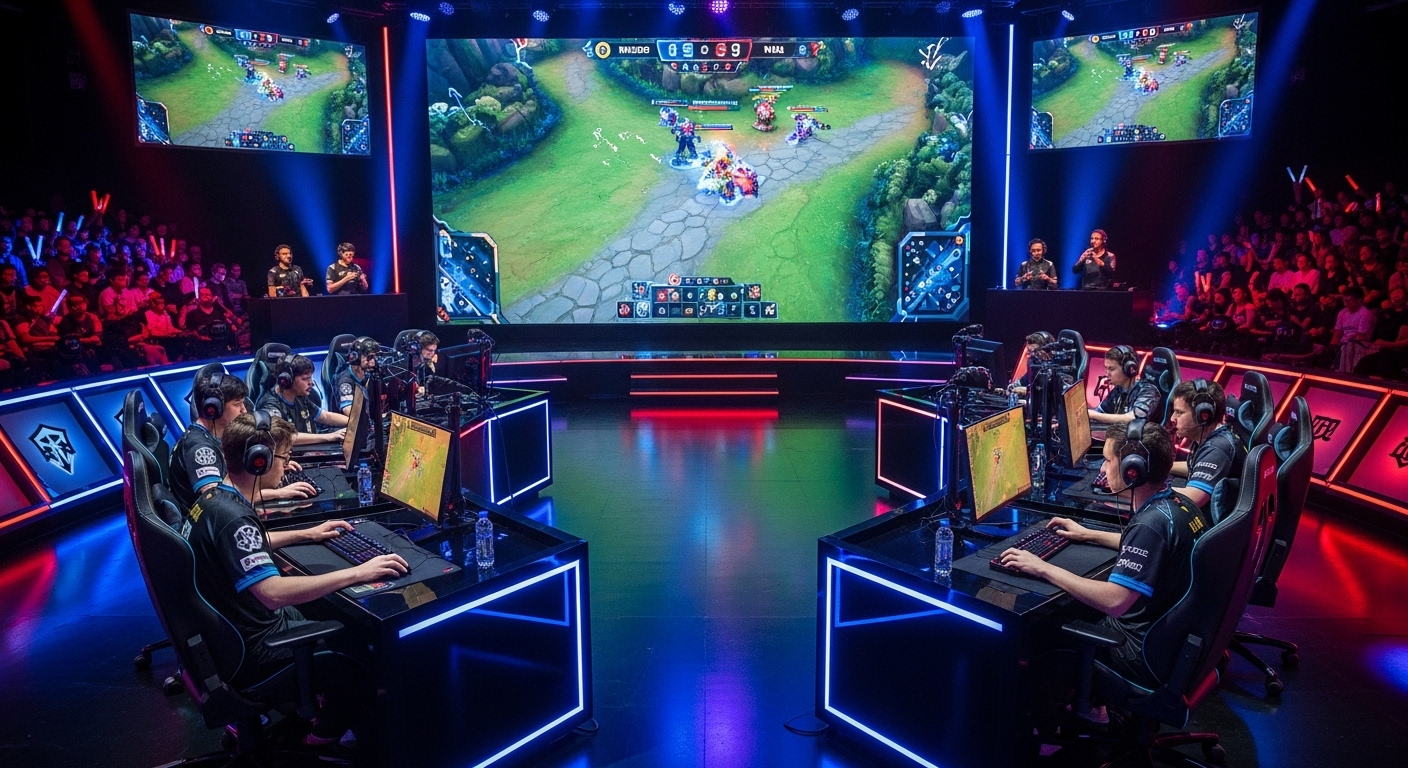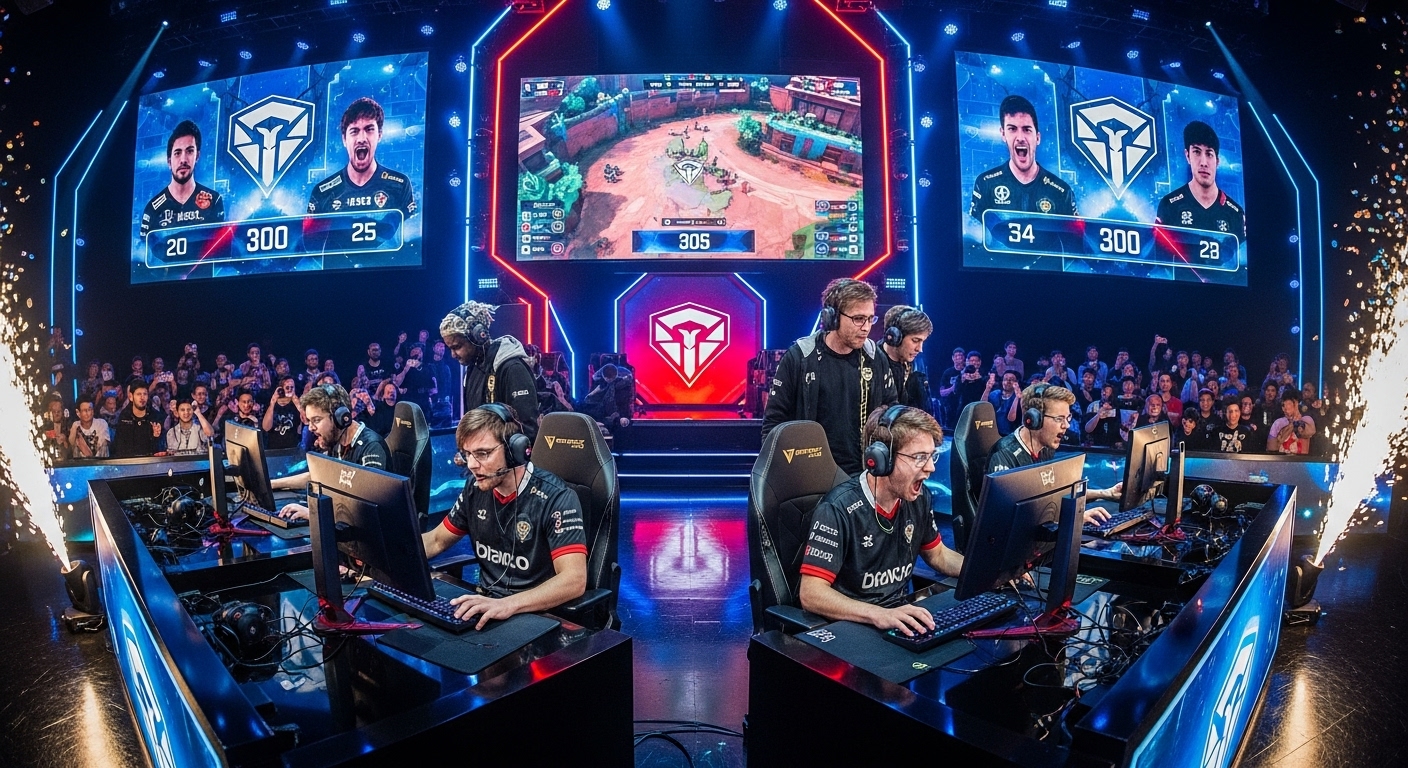
In the past two decades, eSports has transformed from a niche activity for a small group of dedicated gamers into a massive global industry. What once started as casual competitions among friends or college students has grown into a multi-billion-dollar sector with millions of fans, professional athletes, global sponsorships, and even stadiums packed with spectators. Today, eSports is a staple of modern entertainment, attracting viewers just as traditional sports do. This blog explores the rise and evolution of eSports, its cultural impact, the technology that has fueled its growth, and what the future holds for competitive gaming.
The Early Days of eSports: Seeds of a Revolution
To understand how eSports became the powerhouse it is today, we must first take a step back to its roots. The late 1990s marked the beginning of competitive gaming as we know it. While video games had been popular for decades, the idea of playing games against one another in an organized, competitive environment was still in its infancy. The first notable eSports event, Red Annihilation, held in 1997 for the game Quake, can be considered a foundational moment in the history of eSports. Players gathered from around the world to compete for a chance at glory and, in this case, the grand prize of a Ferrari. While this tournament was small by today’s standards, it set the tone for the future of eSports — competitive gaming could be both thrilling and lucrative.
This event was followed by the creation of the World Cyber Games in 2000, a global tournament aimed at bringing gamers together from around the world to compete. South Korea played a central role in the early development of eSports, where StarCraft became a national obsession. Professional gaming in South Korea took off, supported by dedicated TV channels like OnGameNet, which broadcast live StarCraft matches. This period saw the first true professional gamers, and the idea that gaming could be a career began to take shape. By the mid-2000s, South Korea was at the forefront of competitive gaming, and the country became the undisputed heart of eSports.
The Rise of Streaming: A Game-Changer for eSports
The next major shift in eSports came with the rise of streaming platforms like Twitch. Launched in 2011, Twitch revolutionized how fans consumed gaming content. Before this, people had to rely on traditional broadcast or cable television to watch gaming events, which severely limited accessibility. Twitch made it possible for anyone with an internet connection to watch live gaming events in real time. The platform allowed gamers to broadcast their own gameplay to global audiences, which not only brought visibility to professional players but also gave rise to a new generation of content creators.
The accessibility of streaming opened up new avenues for engagement between players and fans. Gamers were no longer confined to watching events on TV or in person. Now, they could interact with the players during live streams, ask questions, and even contribute to discussions via real-time chat. This level of interactivity helped build a strong, tight-knit community around eSports, giving fans a personal stake in the success of their favorite players and teams.
Twitch’s success was not limited to casual gaming enthusiasts. In fact, it helped professionalize the industry. eSports tournaments could now reach millions of viewers worldwide, with platforms like Twitch providing live coverage of competitions such as League of Legends, Counter-Strike: Global Offensive, and Dota 2. This accessibility helped boost eSports into the mainstream, with viewers tuning in from all corners of the globe to watch high-stakes tournaments and cheer for their favorite players.
The Professionalization of eSports: Players, Teams, and Leagues
As eSports grew in popularity, the need for professional infrastructure became increasingly apparent. Tournaments began offering higher prize pools, attracting top-tier talent and major sponsorships from companies like Intel, Coca-Cola, and Red Bull. This influx of money into eSports led to the creation of professional leagues and teams, mirroring the structure of traditional sports like soccer and basketball.
One of the most significant developments in the professionalization of eSports came with the establishment of the League of Legends Championship Series (LCS) in 2013. The LCS provided an organized, regularized structure for competitive League of Legends play. Teams in the LCS became salaried professionals, with coaches, analysts, and staff members working to refine their skills and improve their performances. The LCS also introduced a franchise model, which allowed investors and organizations to buy into eSports, giving teams long-term stability and a clearer path to profitability.
The success of League of Legends was not an isolated case. Other games like Overwatch and Hearthstone followed suit by launching their own professional leagues, such as the Overwatch League (OWL). These leagues adopted a similar format to traditional sports leagues, with franchised teams representing different cities or regions. This model increased the visibility of eSports, while also making it more attractive to corporate sponsors and investors.
Beyond the leagues, professional eSports teams became more structured, with dedicated players, managers, analysts, and even team coaches. Players became salaried professionals, receiving sponsorships, salaries, and performance bonuses. The introduction of team-owned facilities and training houses allowed teams to practice together in high-tech environments, elevating the level of competition and improving the overall quality of play.
eSports as a Global Industry: Revenue Streams and Sponsorships
The financial side of eSports is where the industry has truly thrived. eSports tournaments now boast prize pools in the millions of dollars, attracting top-tier talent from around the globe. The International — an annual Dota 2 championship — is one of the most lucrative events in eSports, with prize pools that have exceeded $30 million. These large prize pools have been fueled by sponsorships and crowdfunding, where fans contribute directly to the prize pool through in-game purchases. This innovative approach has made The International a spectacle that continues to break records year after year.
Corporate sponsorships also play a significant role in the financial landscape of eSports. Brands like Intel, Coca-Cola, and Nike have all invested heavily in eSports, recognizing the massive audience and marketing potential the industry offers. eSports offers access to a young, tech-savvy audience that is often difficult to reach through traditional advertising channels. In exchange for their sponsorship, companies get their brand seen on global broadcasts, jerseys, and in-game content.
Advertising revenue, merchandise sales, and ticket sales for live events further contribute to eSports’ revenue streams. eSports tournaments like the League of Legends World Championship and Overwatch League Finals fill arenas with tens of thousands of spectators, all of whom are eager to watch the world’s best players compete at the highest level. The ability to sell tickets, broadcast rights, and exclusive content has helped the industry reach a level of profitability that rivals traditional sports.
The Cultural Impact of eSports
Beyond the financial and professional aspects, eSports has had a profound impact on culture. It has transformed gaming from a solitary activity to a social, spectator-driven experience. eSports has created a space where fans can come together to celebrate their shared love of gaming, forging friendships and communities through online platforms, fan clubs, and live events.
eSports has also challenged the traditional notion of what it means to be an athlete. Professional gamers train for hours each day, honing their skills and perfecting their craft. They need quick reflexes, strategic thinking, and the ability to work effectively as part of a team. These demands have led many to recognize professional gamers as athletes in their own right, despite the lack of physical exertion involved in playing video games.
Additionally, the rise of eSports has spurred changes in education. Universities and colleges across the world now offer scholarships for talented eSports players, recognizing that gaming can be a legitimate career path. Many institutions have even established their own eSports programs, complete with training facilities and coaching staff. This academic acknowledgment of eSports helps to validate the industry, opening the doors to young gamers who dream of going pro.
The Future of eSports: What’s Next?
The future of eSports is incredibly bright. With new technologies like virtual reality (VR) and augmented reality (AR) emerging, there are endless possibilities for innovation in eSports. VR gaming could revolutionize the way players compete, offering a fully immersive experience that enhances both the gaming and viewing experience. In addition, cloud gaming platforms like Google Stadia and Nvidia GeForce Now could allow players to compete at a high level without the need for expensive hardware, democratizing access to eSports on a global scale.
Mobile gaming is another area that will shape the future of eSports. With the rise of mobile games like PUBG Mobile, Free Fire, and Clash Royale, mobile eSports is expected to become just as prominent as its console and PC counterparts. This growth is especially notable in emerging markets, where access to high-quality gaming PCs or consoles is limited. Mobile eSports offers a more accessible entry point for gamers worldwide, creating a truly global ecosystem for competitive gaming.
As eSports continues to grow, it’s also likely that it will be integrated further into mainstream sports and entertainment. Major sports networks may begin to air eSports tournaments alongside traditional sports, and partnerships between eSports organizations and traditional sports teams could increase. Moreover, eSports will continue to expand its reach into areas like virtual broadcasting, interactive fan experiences, and even the Olympics, with discussions already underway to include competitive gaming in future Olympic Games.