Introduction: Understanding Esports
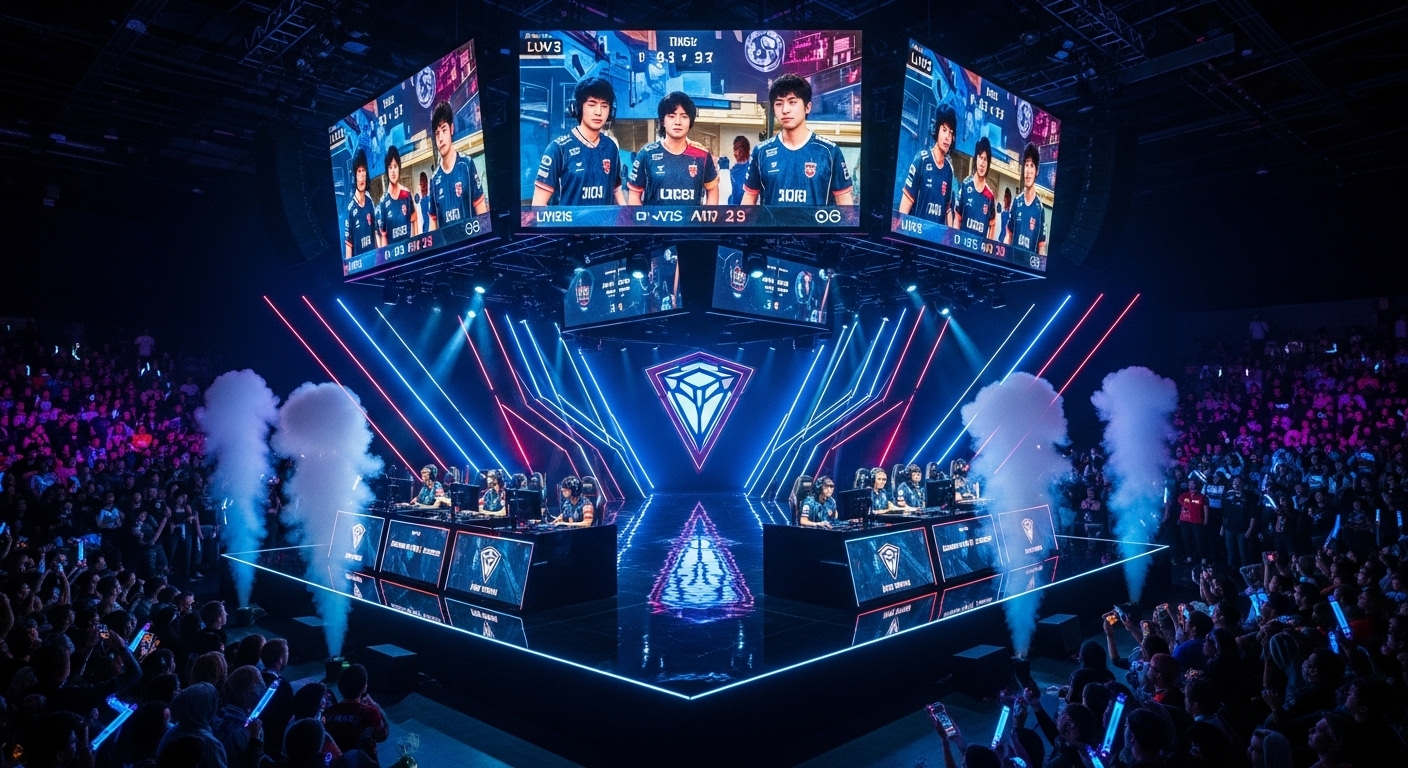
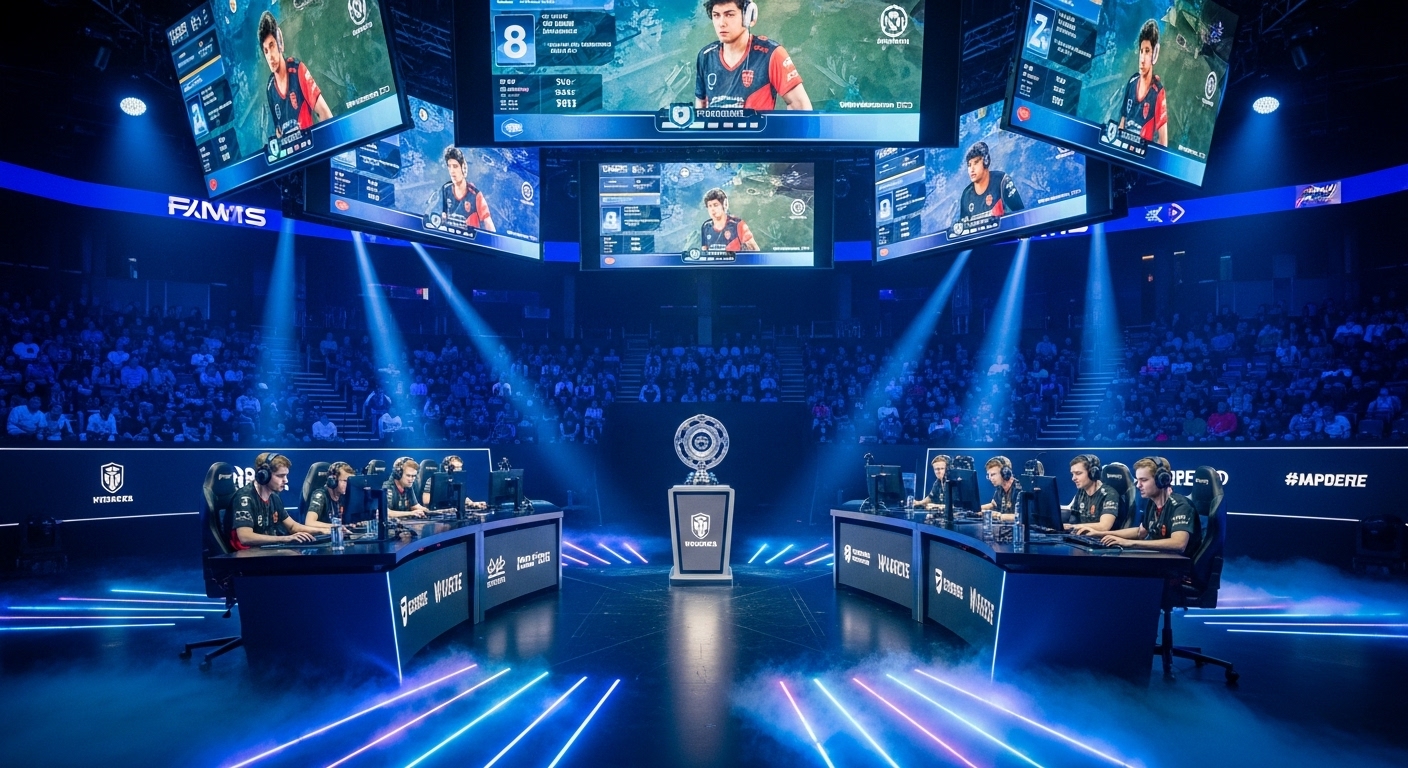
In the past two decades, esports has grown from a niche pastime into a global phenomenon. Competitive video gaming, once limited to casual players in small communities, now attracts millions of fans and professional players worldwide. Esports involves organized competitions across a variety of video game genres, including strategy, action, simulation, and fighting games. The rise of esports is more than a reflection of technological advancements; it represents a cultural shift in how people compete, connect, and consume entertainment. This blog explores the growth, impact, and future of esports, highlighting its significance in the modern era.
The Origins of Esports
Esports traces its roots back to the early days of arcade gaming. In the 1970s and 1980s, players competed for high scores in arcade halls and local tournaments. The development of personal computers and gaming consoles in the 1990s allowed multiplayer gaming, creating a foundation for competitive play. Games such as StarCraft and Counter-Strike became early examples of professional esports, developing fan bases and structured tournaments. Online platforms allowed players to compete across cities and continents, and streaming technology later enabled audiences worldwide to watch competitions in real-time.
What Defines Esports
Esports differs from casual gaming due to its structured, competitive nature. Professional players train rigorously, strategize, and participate in tournaments with clear rules and scoring systems. Team-based games emphasize communication and coordination, while individual competitions test personal skill and strategy. Esports is also spectator-driven; fans watch live events, follow player statistics, and engage with content through streaming platforms. These factors make esports not only a form of entertainment but also a professional discipline.
The Skills Required in Esports
Competitive gaming demands a unique combination of physical and mental skills. Players require precise hand-eye coordination, quick reflexes, and the ability to execute complex maneuvers under pressure. Mental endurance is equally important, as players must maintain focus, make rapid decisions, and adapt strategies during matches. Team games cultivate leadership, communication, and collaboration, while individual games emphasize problem-solving and strategic thinking. These skills demonstrate that esports is not just about playing games but mastering a complex, competitive environment.
Mental Resilience and Stress Management
Esports places significant mental demands on players. High-stakes tournaments, large audiences, and live broadcasts create stressful situations that require resilience. Professional players often experience pressure to perform, criticism from fans, and the challenge of balancing practice schedules with personal life. To maintain peak performance, teams increasingly invest in sports psychologists and mental coaching, emphasizing mindfulness, stress management, and confidence-building. This focus highlights the serious nature of esports as a competitive pursuit.
Physical Fitness in Esports
Although esports does not involve running or physical contact, physical fitness is essential for optimal performance. Long hours at a gaming station can lead to fatigue, repetitive strain injuries, and poor posture. Professional players often incorporate physical exercise, stretching routines, and ergonomic setups to maintain health and improve focus. Nutrition and rest are equally important, as they enhance reaction times and cognitive performance. The emphasis on physical well-being underscores the holistic approach required for competitive gaming.
Teamwork and Leadership in Esports
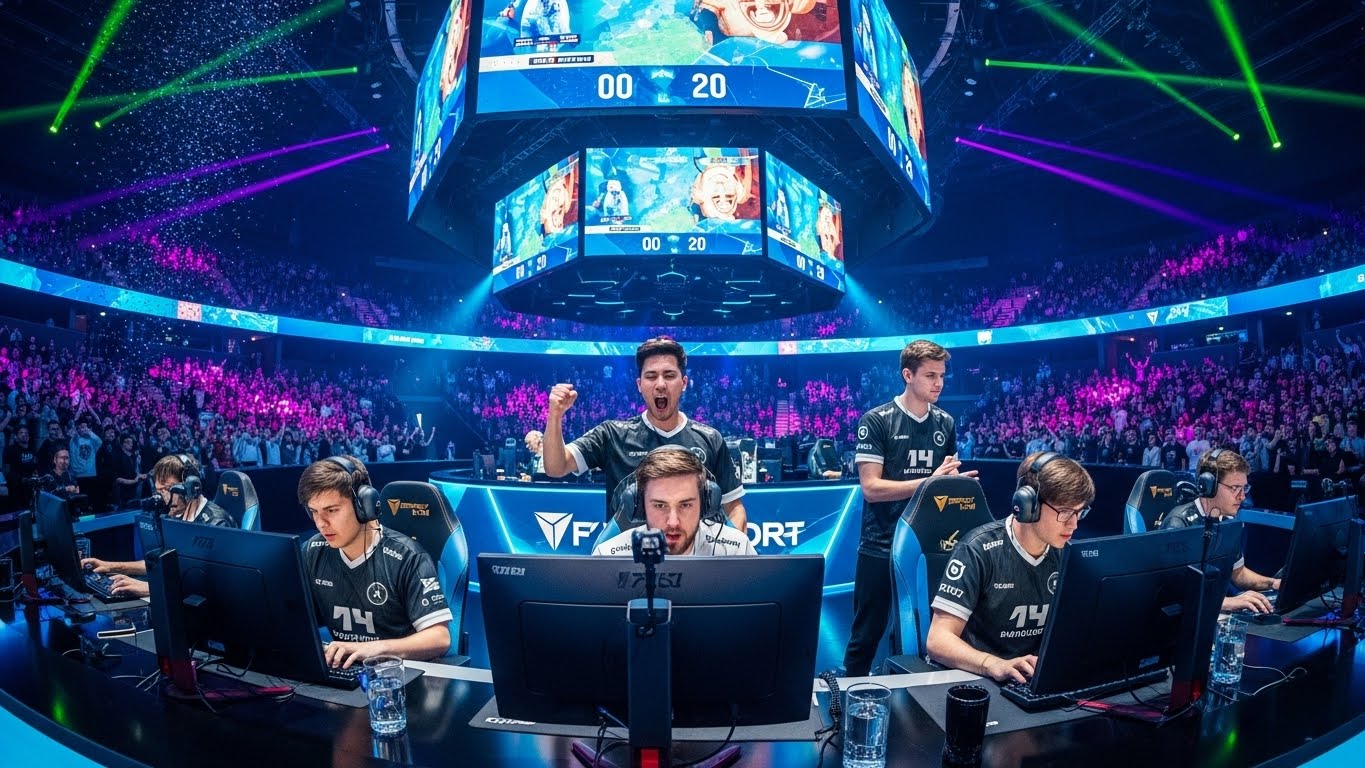
Esports encourages collaboration and leadership, especially in team-based competitions. Games such as League of Legends, Dota 2, and Overwatch require strategic coordination, real-time communication, and trust among teammates. Team captains often guide strategy, motivate players, and manage morale during matches. Learning to work under pressure in a competitive environment helps players develop transferable skills such as problem-solving, decision-making, and leadership, which are valuable beyond esports.
The Economic Impact of Esports
The esports industry has become a significant economic force. Revenue streams include sponsorships, advertising, merchandise, tournament prize pools, and streaming rights. Professional players can earn substantial income through salaries, endorsements, and tournament winnings. The industry also generates jobs in broadcasting, event management, content creation, and coaching. Global tournaments attract millions of viewers, offering companies exposure to highly engaged audiences. The economic significance of esports demonstrates its evolution from hobby to a professional industry with real-world impact.
Esports and Education
Educational institutions increasingly recognize the benefits of esports. Many schools and universities now offer esports clubs, competitive teams, and scholarships. Participation in esports enhances strategic thinking, teamwork, and technical proficiency. Academic programs focused on game design, esports management, and media production prepare students for careers in the gaming and technology sectors. By integrating esports into education, institutions provide opportunities for skill development and career exploration, bridging the gap between digital entertainment and professional growth.
The Global Community of Esports
Esports has created a global community that connects players and fans across cultures and regions. Online platforms allow individuals to share experiences, exchange strategies, and form friendships with people worldwide. The inclusive nature of esports enables participation regardless of age, gender, or background. Live events and conventions provide spaces for fans to celebrate their passion for gaming, meet players, and engage with like-minded individuals. This global connectivity is a defining feature of esports, illustrating its cultural significance beyond competition.
Women in Esports
Esports has historically been male-dominated, but women are increasingly gaining recognition in the field. Female players, commentators, and content creators are breaking barriers and inspiring new generations of gamers. Efforts to promote gender inclusivity have created safer environments for participation and competition. Increasing diversity strengthens the esports ecosystem, bringing fresh perspectives, talents, and audiences to the industry. The rise of women in esports is a sign of the industry’s ongoing evolution toward inclusivity and representation.
The Role of Media and Streaming Platforms
Streaming platforms have revolutionized esports by making competitions accessible to a global audience. Fans can watch live matches, interact with players, and follow tournament updates in real-time. Media coverage and commentary enhance the viewing experience and attract sponsorships, increasing the visibility of esports players and teams. Content creation has become a career path in itself, with streamers and analysts building large followings and contributing to community engagement. The integration of media has turned esports into a spectator sport with worldwide appeal.
Challenges in the Esports Industry
Despite its growth, esports faces several challenges. High-pressure environments can lead to player burnout and mental health struggles. Cheating, match-fixing, and online harassment threaten fairness and integrity. Smaller teams may struggle financially, and inconsistent regulation can create uncertainty in the industry. Addressing these challenges requires ethical governance, strong support systems, and community awareness to ensure sustainable growth and maintain trust among players and fans.
Technology and the Future of Esports
Technological advancements continue to shape esports. Virtual reality, augmented reality, and artificial intelligence are enhancing gameplay, training, and spectator experiences. Mobile gaming and cross-platform competition expand accessibility to players worldwide. Analytics and AI-driven coaching tools allow players to refine strategies and improve performance. The evolution of technology ensures that esports will remain dynamic, innovative, and increasingly integrated into global entertainment.
Conclusion: Esports as a Lasting Cultural Force
Esports is more than competitive gaming; it is a cultural, economic, and social movement shaping the modern digital world. It combines skill, strategy, and entertainment, offering opportunities for professional careers, global communities, and cultural influence. The rise of esports demonstrates that competition and collaboration can thrive in digital spaces, providing meaningful experiences for players and fans alike. As technology and society continue to evolve, esports will remain a defining feature of the entertainment landscape, bridging the gap between digital interaction and real-world impact.