Introduction: The Rise of a Digital Arena
Esports has evolved from a niche pastime into a global phenomenon that commands massive audiences, serious investment, and cultural influence. What once looked like casual gaming between friends has transformed into a structured, competitive ecosystem where professional players train like athletes, teams operate like corporations, and fans follow tournaments with the same passion seen in traditional sports. Esports is no longer about just playing games; it is about performance, strategy, entertainment, and identity in the digital age.
Understanding Esports: More Than Just Gaming
At its core, esports refers to organized, competitive video gaming. Players compete individually or in teams across a wide range of game genres, including strategy, sports simulations, shooters, and multiplayer battle arenas. What separates esports from casual gaming is structure. Professional leagues, scheduled tournaments, rule enforcement, coaching staff, analysts, and sponsorships create an environment where skill and preparation define success. This professional framework is what has elevated gaming into a legitimate competitive discipline.
The Evolution from Arcades to Global Stages
The roots of esports can be traced back to early arcade competitions and local tournaments where high scores meant bragging rights. As home consoles and personal computers became widespread, online multiplayer gaming allowed players to compete across cities and countries. Streaming technology later amplified this growth by allowing fans to watch matches live, follow their favorite players, and engage in real time. Over the years, small community events grew into sold out arenas and international championships with millions of viewers worldwide.
Esports as a Spectator Experience
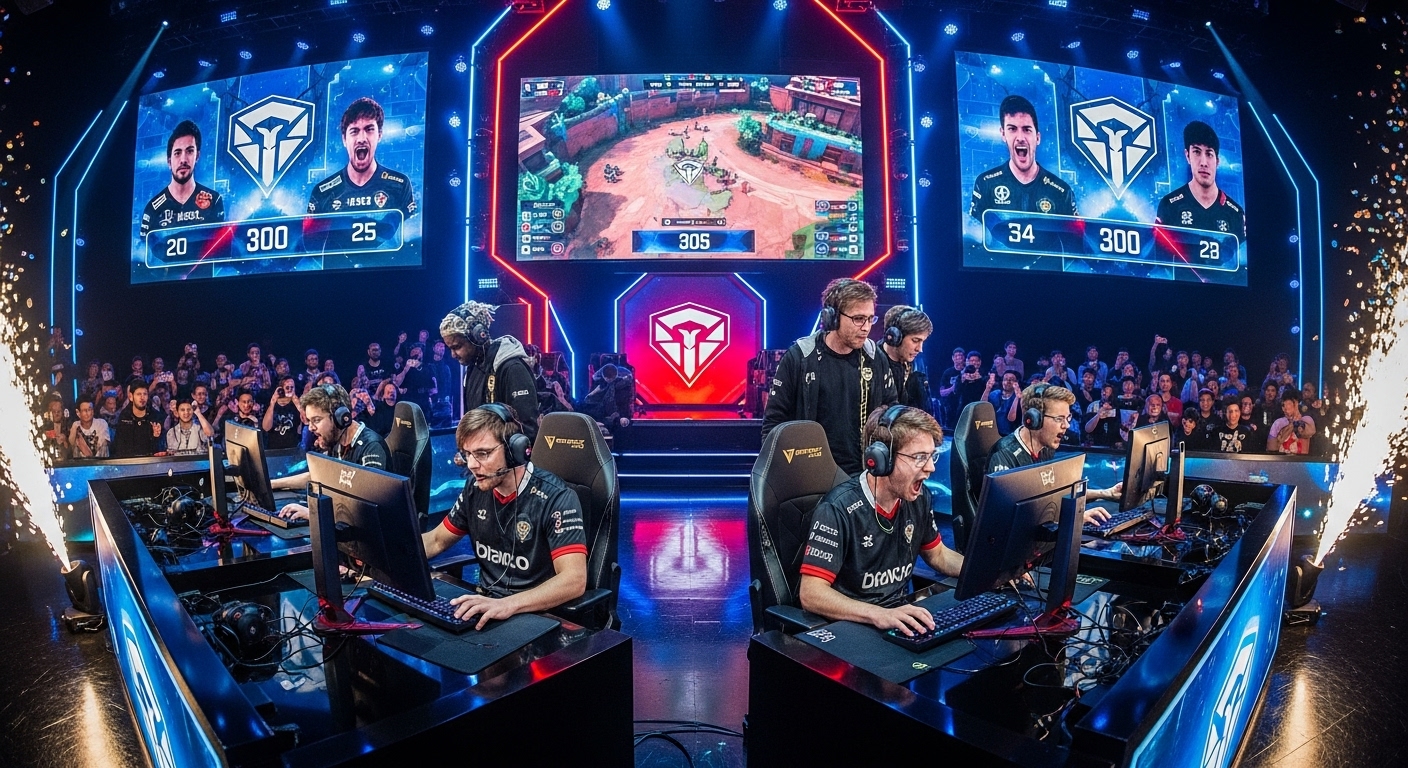
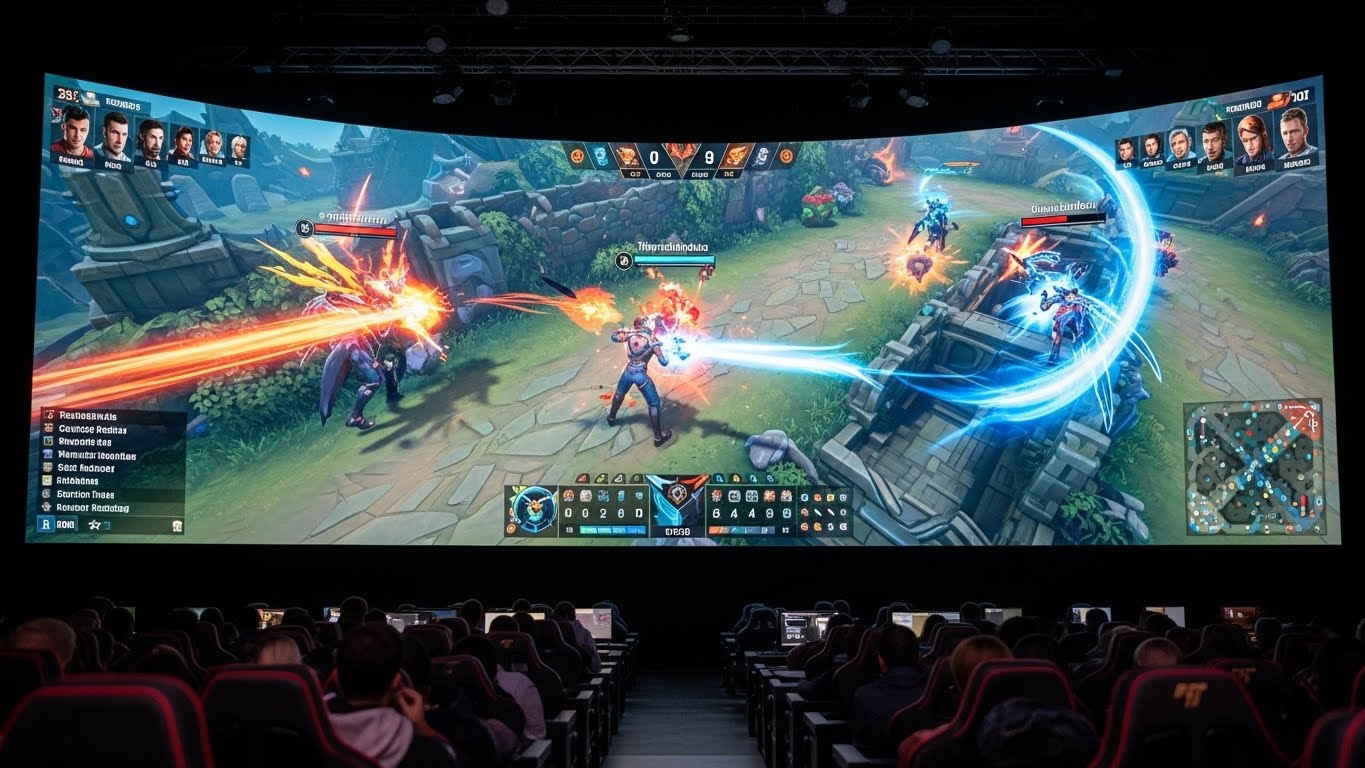
One of the most remarkable aspects of esports is its appeal as a spectator sport. Fans do not just watch; they participate through chats, social media discussions, and fan communities. Commentary, analysis, and storytelling play a major role in making matches exciting and accessible, even to viewers who may not play the game themselves. Production quality, including graphics, replays, and stage design, rivals that of traditional sports broadcasts, reinforcing esports as a premium entertainment product.
The Players: Discipline, Skill, and Mental Strength
Professional esports players are often misunderstood as casual gamers, but the reality is far more demanding. Top players follow intense training schedules that include mechanical practice, strategy development, team coordination, and mental conditioning. Reaction time, decision making, communication, and adaptability are critical skills. Many players also work with coaches, psychologists, and fitness trainers to maintain peak performance, proving that esports requires both mental and physical discipline.
Team Dynamics and Strategic Depth
Esports success is rarely achieved alone. Team based games emphasize coordination, trust, and shared strategy. Each player often specializes in a specific role, and victory depends on how well these roles work together. Teams analyze opponents, review past matches, and adjust tactics constantly. This strategic depth makes esports intellectually engaging, as fans and analysts debate decisions and predict outcomes much like in traditional competitive sports.
The Business of Esports
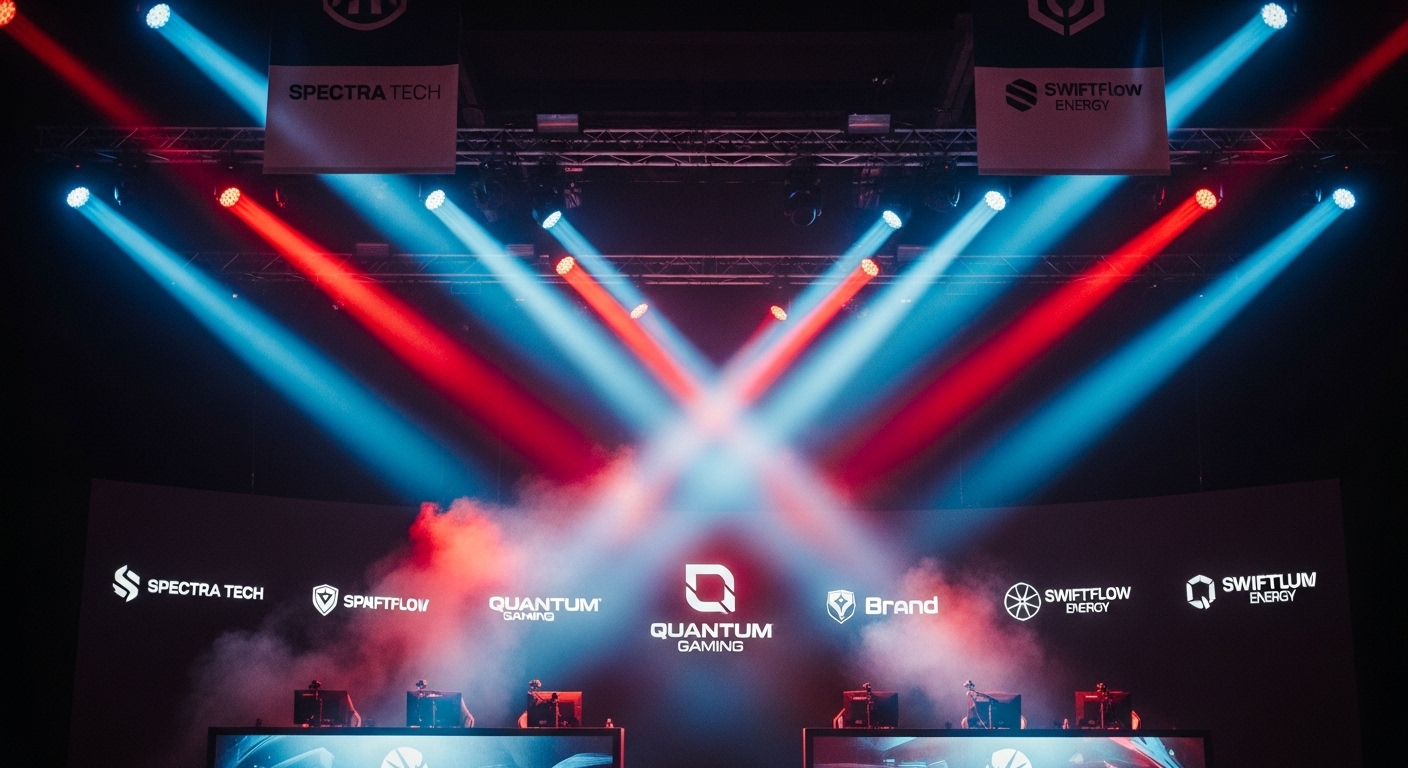
Behind the excitement lies a rapidly growing industry. Esports generates revenue through sponsorships, advertising, merchandise, ticket sales, and media rights. Organizations operate with structured management, branding strategies, and long term planning. Investors from outside the gaming world have recognized esports as a viable business opportunity, contributing to its professionalization. This commercial growth has also created a wide range of careers beyond playing, including marketing, event management, content creation, and analytics.
Esports and Youth Culture
Esports holds a unique place in modern youth culture. It reflects how younger generations interact with technology, entertainment, and community. For many fans, esports offers representation and connection, especially for those who may not relate to traditional sports. It encourages creativity, digital literacy, and global interaction. While concerns about screen time exist, esports also provides structured competition and positive role models when balanced responsibly.
Education and Career Opportunities
The expansion of esports has reached educational institutions as well. Schools and universities now offer esports programs, scholarships, and courses related to game design, broadcasting, and management. These initiatives legitimize esports as a pathway for learning teamwork, leadership, and problem solving. For students passionate about gaming, esports provides a bridge between personal interests and professional development.
Challenges Facing the Esports Industry
Despite its growth, esports faces several challenges. Player burnout is a serious concern due to long practice hours and high pressure environments. Maintaining fair competition, ensuring player welfare, and creating consistent regulations across regions remain ongoing issues. Additionally, the industry must work to promote inclusivity and address toxic behavior within gaming communities. How esports responds to these challenges will shape its long term sustainability.
Esports and Global Connectivity
One of esports’ greatest strengths is its ability to connect people across borders. International tournaments bring together players and fans from diverse cultures, united by a shared passion. Language barriers are often overcome through gameplay itself, creating a universal competitive language. This global nature positions esports as a cultural bridge, fostering understanding and collaboration in a digital world.
The Role of Technology and Innovation
Esports thrives on technological advancement. High performance hardware, fast internet connections, and innovative software all contribute to competitive integrity and viewer experience. Advances in virtual reality, augmented reality, and artificial intelligence may further reshape how esports is played and watched. As technology evolves, esports remains at the forefront of digital innovation, constantly adapting and experimenting.
The Future of Esports
Looking ahead, esports shows no signs of slowing down. As mainstream acceptance continues to grow, it is likely to integrate even more deeply into popular culture. Collaboration with traditional sports, expanded media coverage, and new game titles will keep the ecosystem dynamic. The challenge will be balancing growth with authenticity, ensuring that esports retains the competitive spirit and community focus that fueled its rise.
Conclusion: A New Definition of Sport
Esports represents a shift in how competition, entertainment, and culture intersect. It challenges traditional definitions of sport while creating new opportunities for players, fans, and professionals alike. By blending technology, strategy, and human ambition, esports has carved out a powerful space in the modern world. Beyond the screen, it reflects who we are becoming in an increasingly digital society, proving that competition is not limited by physical boundaries but driven by passion, skill, and connection.