Introduction: The Rise of a Digital Phenomenon
In recent years, esports has transformed from a niche hobby into a global cultural and economic phenomenon. Once considered an activity limited to small groups of dedicated gamers, it now commands audiences in the millions, attracts international sponsors, and fills arenas like traditional sports. What sets esports apart is its unique combination of competition, entertainment, and digital innovation, making it a force to be reckoned with in the modern entertainment landscape. This blog will explore the evolution of esports, its cultural impact, professional ecosystem, challenges, and the opportunities that lie ahead.
The Origins of Competitive Gaming
Competitive gaming is not entirely new. Early examples of video game competitions date back to the 1970s and 1980s when players competed for high scores in arcade games. Events like Space Invaders tournaments and early console competitions laid the groundwork for organized gaming. However, the real boom came with the rise of personal computers and networked multiplayer games in the 1990s. Games such as Quake, StarCraft, and Counter-Strike introduced competitive formats, attracting larger audiences and fostering dedicated communities.
The introduction of the internet allowed players to connect globally, paving the way for international tournaments and organized leagues. This period marked the beginning of esports as we know it today, where competition, strategy, and skill became central elements of the gaming experience.
Why Esports Appeals to a Global Audience
Esports appeals to audiences for several reasons. Unlike traditional sports, it is highly accessible. Anyone with a gaming console or computer and internet connection can participate. This inclusivity breaks down geographical and physical barriers, allowing players and fans from different backgrounds to connect.
Moreover, esports offers a unique combination of entertainment and skill. Games are dynamic and unpredictable, creating moments of suspense and excitement. Fans are drawn not only to the competition itself but also to the personalities and stories behind the players and teams. This human element, combined with the interactive nature of the medium, creates a sense of community and engagement that traditional sports often cannot match.
Building the Esports Ecosystem
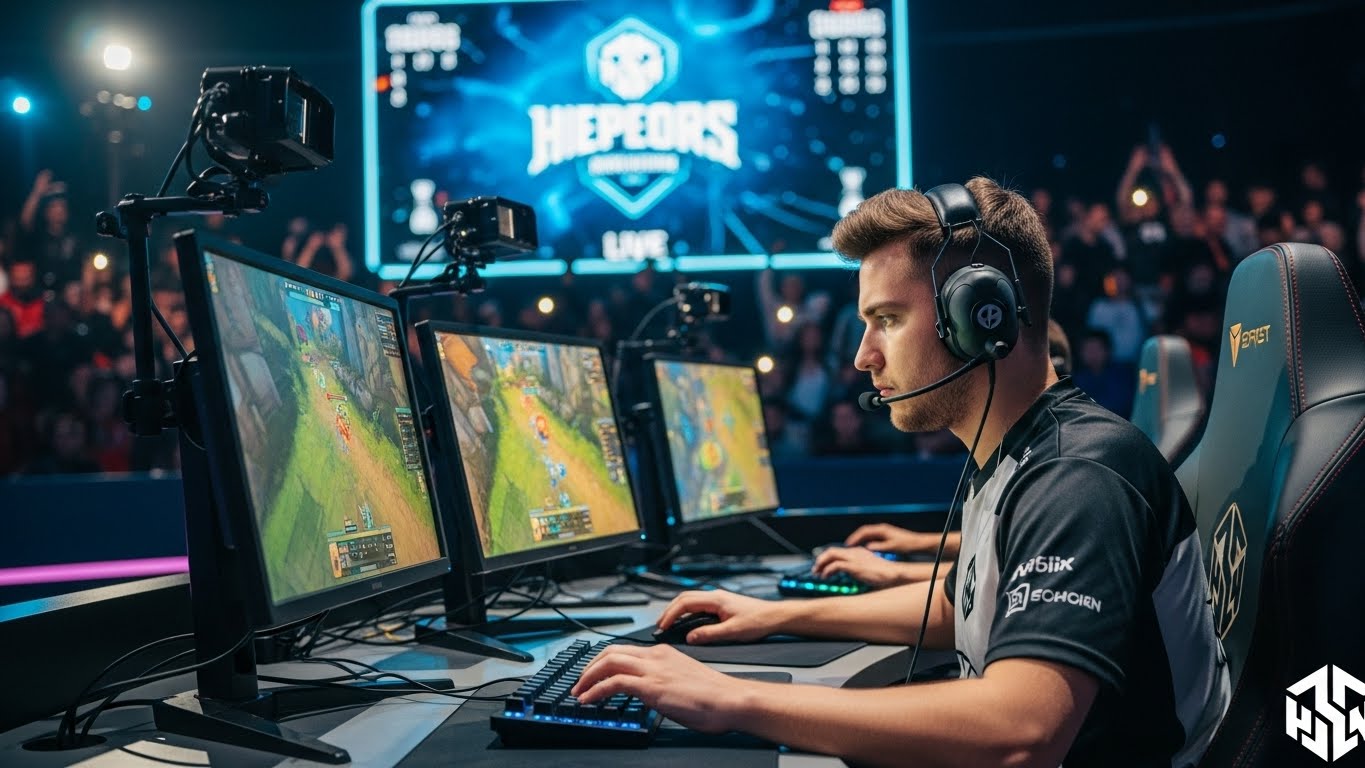
The esports industry is supported by a complex and well-organized ecosystem. At its core are professional teams, players, and coaches who dedicate hours each day to practice and strategy. These players are highly skilled, often specializing in specific roles or aspects of a game, and their performance requires intense mental and physical discipline.
Professional teams operate much like traditional sports organizations. They employ coaches, analysts, nutritionists, and psychologists to optimize performance. Players often follow strict schedules, balancing practice, travel, and media appearances while maintaining physical and mental well-being.
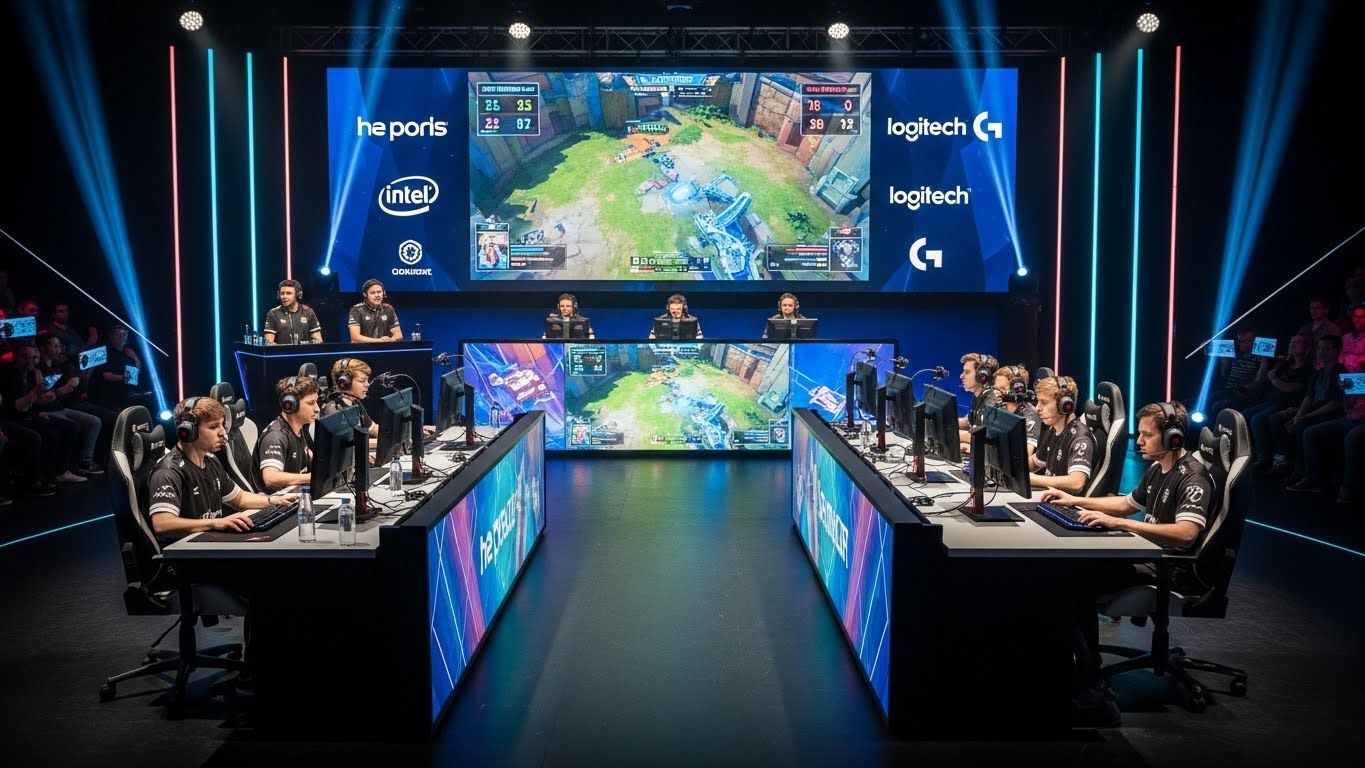
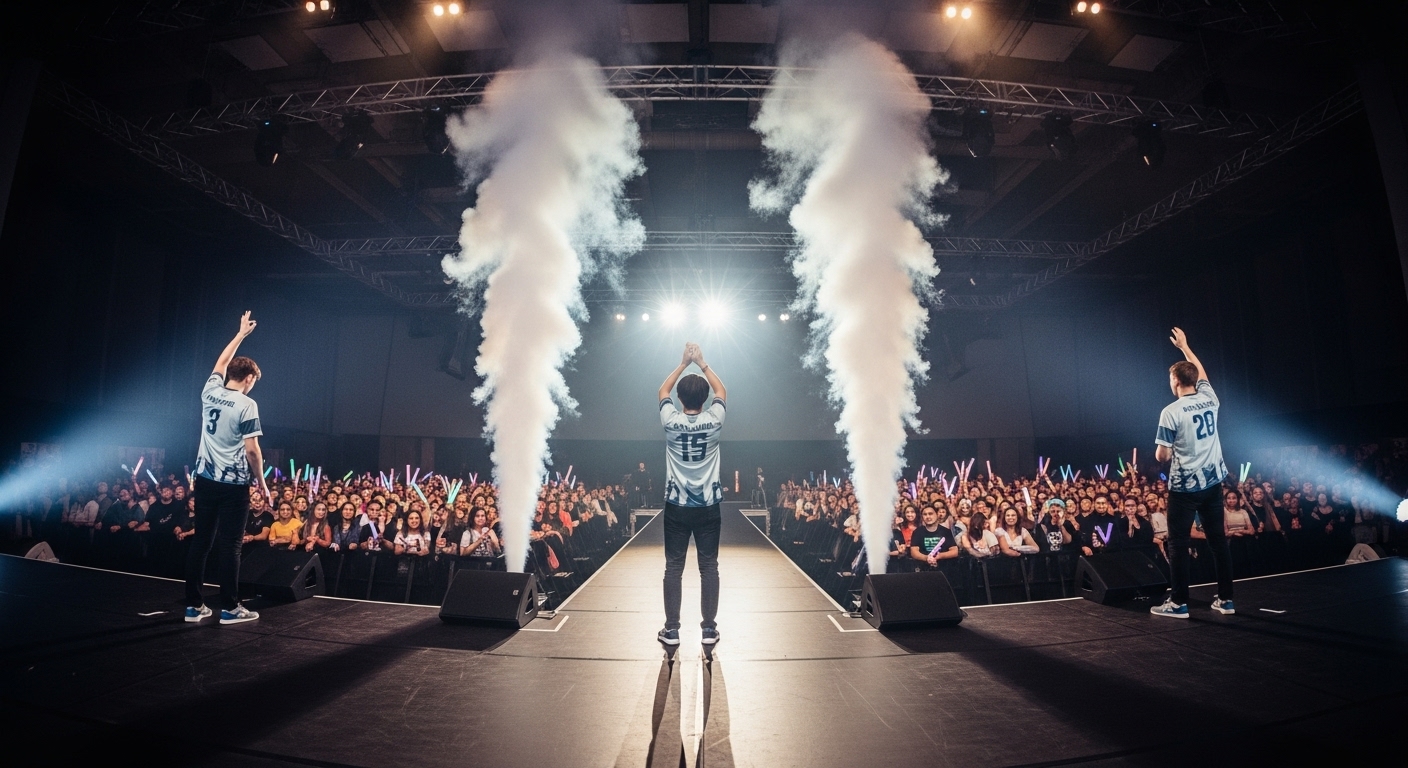
Tournaments play a central role in esports. Major events like global championships draw massive audiences and offer substantial prize pools. These events are highly produced, with commentary, live streaming, and advanced graphics enhancing the viewing experience. Sponsorships, merchandise, and broadcasting rights further contribute to the financial sustainability of the industry.
Esports as a Career Path
The growth of esports has created numerous career opportunities beyond professional gameplay. Educational institutions now offer programs and scholarships focused on esports. Students can study game design, broadcasting, event management, digital marketing, and even esports psychology.
Career paths in esports include roles such as content creators, analysts, coaches, event organizers, and social media managers. The demand for skilled professionals in these areas has created a dynamic job market that blends technology, entertainment, and sports management. The diversity of opportunities ensures that esports is not only about playing games but also about contributing to a rapidly growing industry in meaningful ways.
Cultural Significance of Esports
Esports has become more than just competition; it is a cultural movement. It influences music, fashion, media, and even traditional sports. Collaborations between gaming companies and artists bring new experiences to fans, while clothing brands launch merchandise inspired by popular games. Traditional sports teams now invest in esports divisions, highlighting its growing mainstream appeal.
Online communities play a crucial role in the cultural impact of esports. Fans interact with players and each other, sharing insights, strategies, and content. These communities foster creativity and engagement, making esports a participatory experience rather than a passive one.
Mental and Physical Demands of Competitive Gaming
Contrary to common stereotypes, competitive gaming is mentally and physically demanding. Players must maintain high levels of concentration, strategic thinking, and adaptability. Success often depends on quick decision-making under pressure, effective communication with teammates, and the ability to anticipate opponents’ moves.
Physical health is equally important. Professional players follow exercise routines to prevent repetitive strain injuries and maintain posture, reaction times, and overall stamina. Many teams employ nutritionists and sports psychologists to ensure that players stay healthy and focused. These measures highlight the professionalism and discipline required to succeed at the highest levels of esports.
Challenges Facing the Industry
Despite its growth, esports faces several challenges. Player burnout is a significant concern due to intense training schedules and the pressure of competition. Ensuring mental health and providing supportive environments are critical for sustainable careers.
Regulatory and ethical issues also need attention. Preventing cheating, maintaining fair competition, and protecting players from exploitation are essential for the integrity of the industry. Additionally, as esports continues to attract younger audiences, promoting responsible gaming and healthy engagement becomes increasingly important.
Technological Advancements Shaping the Future
Technology is central to the growth of esports. Streaming platforms, high-speed internet, and advanced gaming hardware have made competitive gaming more accessible and engaging. Innovations in virtual reality and augmented reality may soon redefine gameplay, providing immersive experiences for both players and spectators.
Artificial intelligence and data analytics also play a growing role. Teams use performance data to refine strategies and improve training. Spectators benefit from enhanced viewing experiences, with live statistics, interactive overlays, and multiple camera perspectives adding depth to the game. These technological developments will continue to shape esports, driving both participation and viewership.
Economic Impact of Esports
Esports contributes significantly to the global economy. Revenue streams include sponsorships, advertising, merchandise, digital content sales, and event tickets. The industry also drives economic activity in local communities by attracting tourism and media attention for major events.
Brands recognize esports as a valuable platform to engage younger, digitally savvy audiences. Collaborations with popular games and tournaments offer marketing opportunities that traditional channels cannot replicate. As a result, esports has become a powerful engine for economic growth, influencing industries beyond gaming.
Global Community and Fan Engagement
The esports community is a driving force behind its success. Fans actively engage with games, players, and events, creating content, participating in discussions, and celebrating achievements. This level of engagement fosters loyalty and shapes the direction of the industry.
Esports connects people from different cultures and backgrounds, demonstrating the universal appeal of gaming. Fans form friendships, share experiences, and collaborate on projects, creating a sense of belonging that extends beyond the virtual world.
The Future of Esports
The future of esports is bright and filled with possibilities. With continued technological innovation, growing mainstream acceptance, and expanding economic influence, esports is positioned to become a dominant form of entertainment. New generations of players will push the boundaries of skill and strategy, while emerging technologies will redefine how games are played and experienced.
Educational institutions will continue to develop programs to nurture talent, and new career opportunities will emerge in fields related to broadcasting, event management, and digital content creation. The industry will likely continue to intersect with music, fashion, media, and traditional sports, creating new forms of entertainment and engagement.
Conclusion: Esports as a Global Movement
Esports has redefined competition, entertainment, and community in the digital age. From humble beginnings in arcade halls to global tournaments with millions of viewers, it has become a transformative cultural and economic force. Its impact reaches far beyond gaming, influencing education, media, technology, and commerce.
The rise of esports illustrates the power of innovation, passion, and connectivity. It offers opportunities for players, fans, and professionals alike while shaping a new generation of entertainment that is interactive, inclusive, and limitless. As esports continues to evolve, it promises to remain a dynamic and influential part of the modern world, proving that the digital arena is as exciting and impactful as any traditional sports field.